
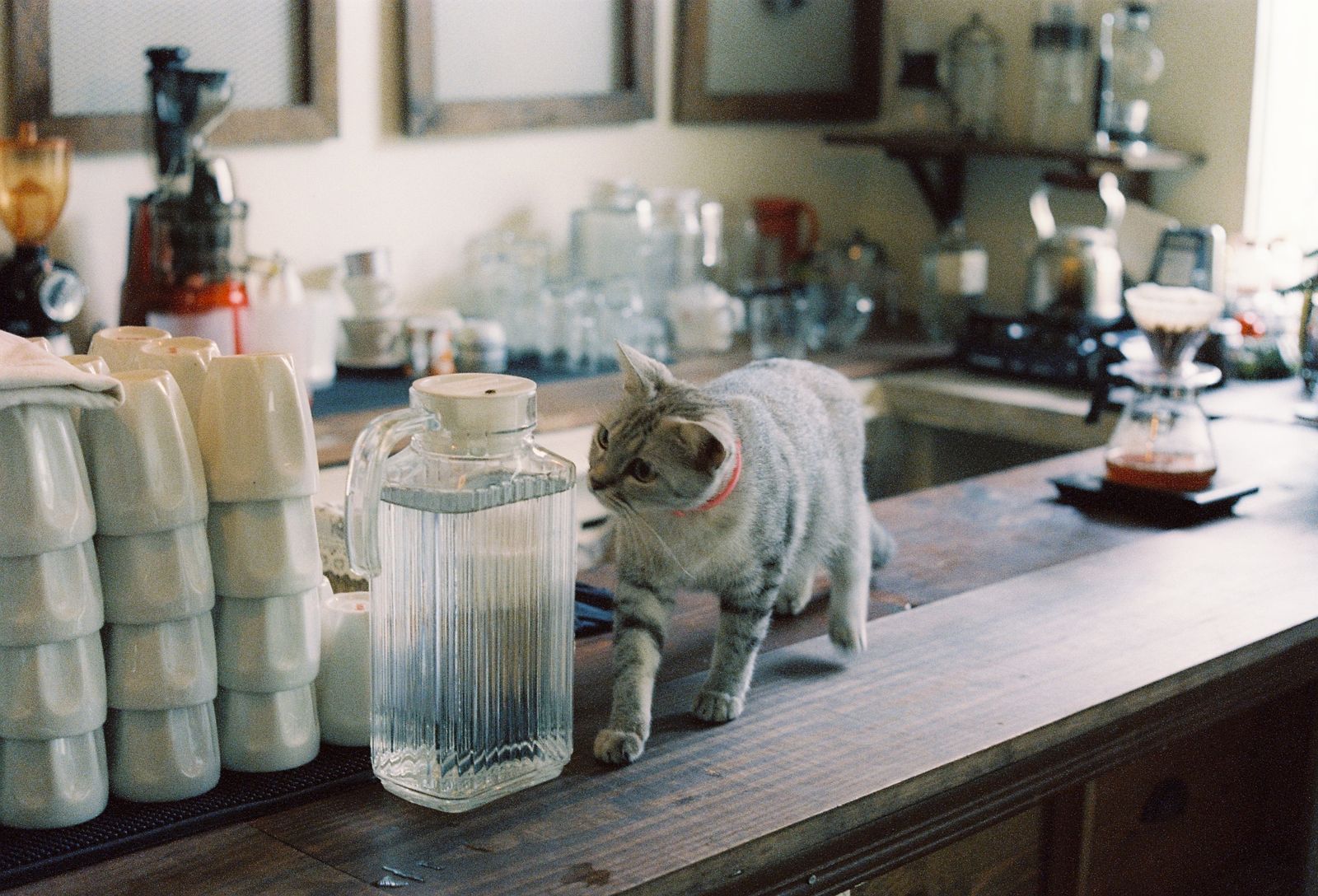
Cats are naturally drawn to elevated spaces, and countertops often become a favorite perch. While some cat owners embrace their feline’s countertop adventures, others are more cautious due to safety and hygiene concerns. Understanding the benefits and drawbacks can help you make an informed decision about whether to allow your cat on the counter.
From providing mental stimulation to potential health risks, here are 10 pros and cons of letting your cat on the counter.
10. Mental Stimulation
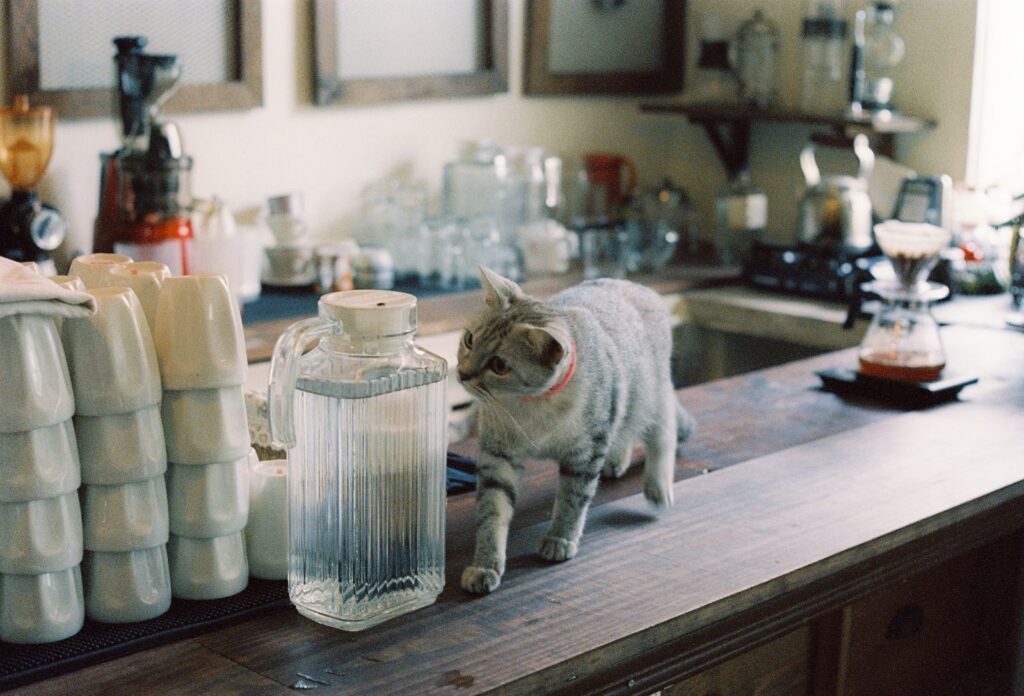
Allowing your cat on the counter can provide valuable mental stimulation. Elevated spaces offer a vantage point for observing their surroundings.
This perspective satisfies their natural curiosity and climbing instincts, contributing to their overall well-being.
9. Safety Concerns
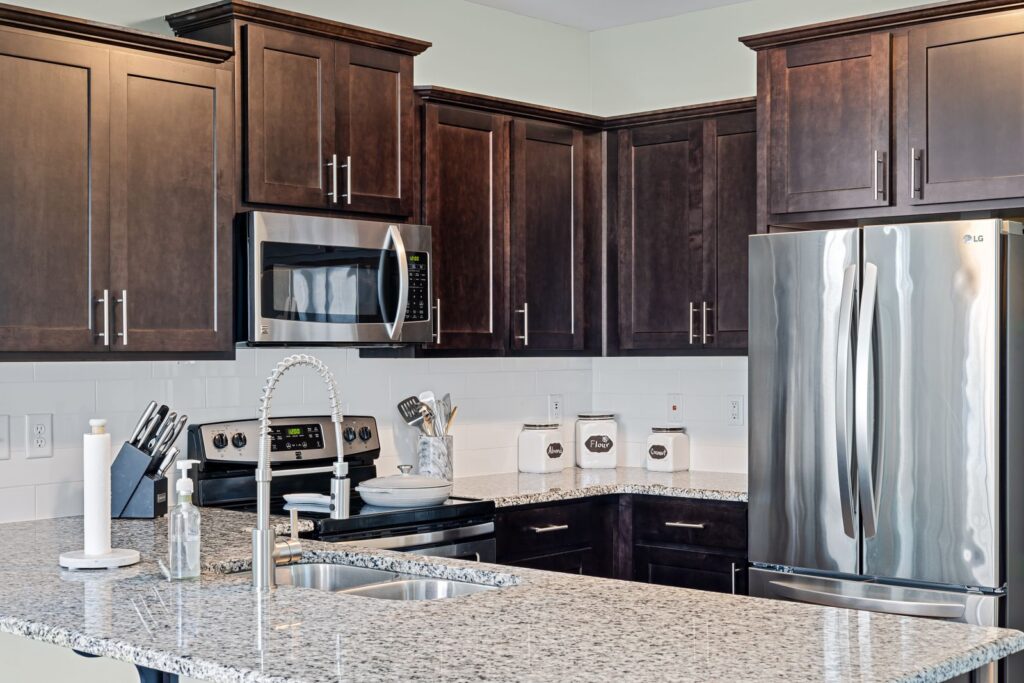
Countertops can pose safety risks for cats. Hot surfaces, sharp objects, and toxic foods are common hazards.
Ensuring your kitchen is cat-proofed is essential if you choose to allow them access to these areas.
8. Environmental Enrichment
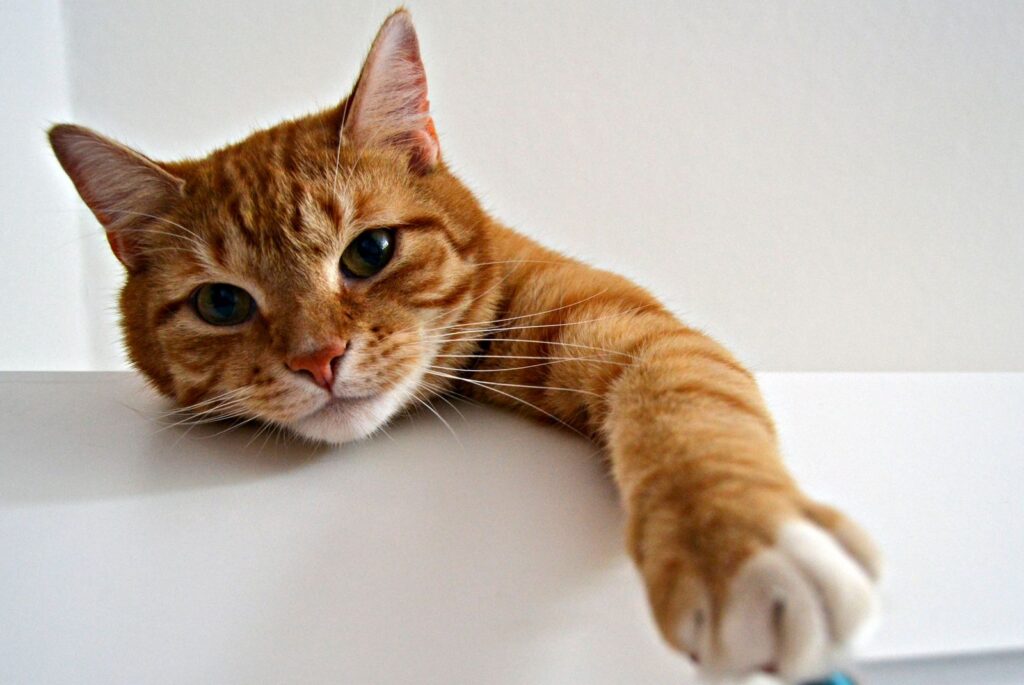
Elevated spaces like countertops can enrich your cat’s environment, offering them a sense of security and control.
This can be especially beneficial for indoor cats who may have limited opportunities for exploration and observation.
7. Hygiene Issues
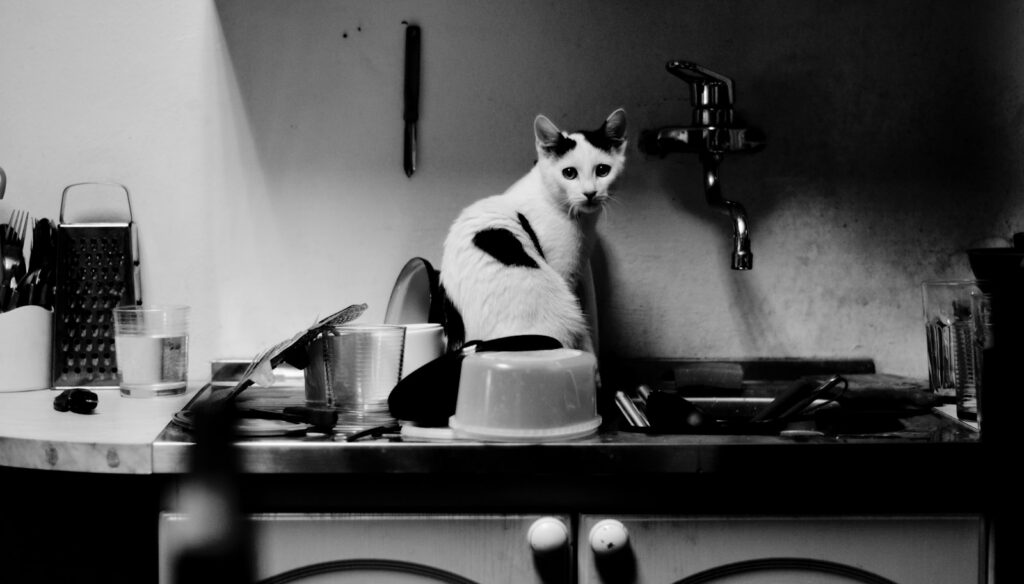
Cats can track bacteria and parasites onto surfaces where food is prepared. This raises hygiene concerns for many pet owners.
Regular cleaning and sanitizing of countertops can mitigate some of these risks.
6. Monitoring Activity
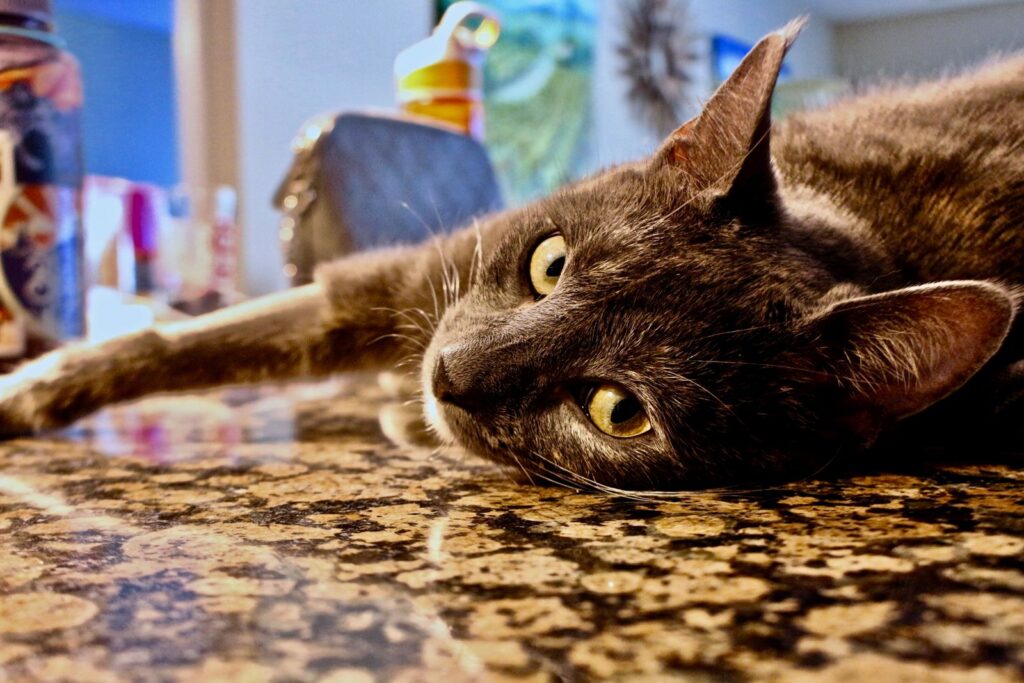
Cats enjoy monitoring household activity from high places. Countertops offer a strategic spot for them to keep an eye on their surroundings.
This behavior is instinctual, as it allows them to feel secure while observing potential threats or prey.
5. Food Safety Risks
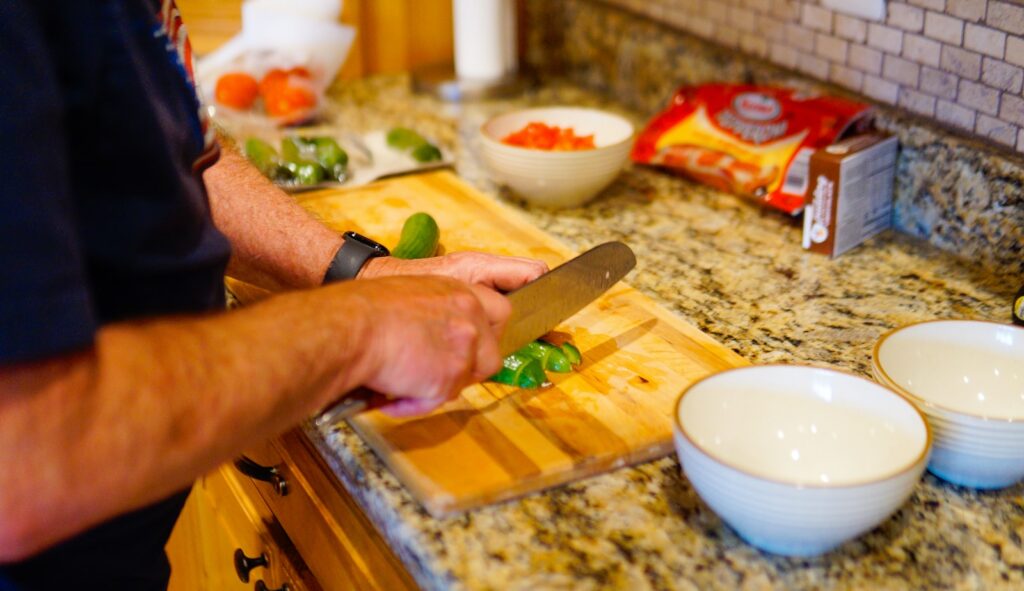
Allowing cats on countertops can pose food safety risks, as they may introduce contaminants to food-contact surfaces.
Households with vulnerable individuals should be particularly cautious of this potential hazard.
4. Bonding Opportunities
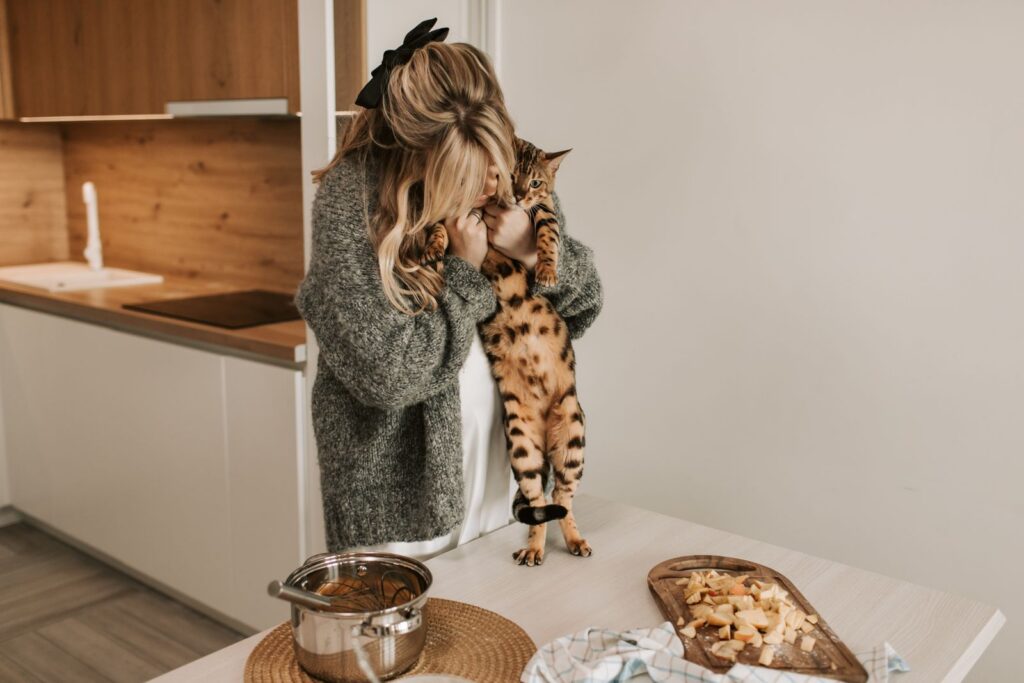
Sharing spaces with your cat, like the countertop, can strengthen your bond. It allows for more interaction and companionship.
However, it’s important to balance this with maintaining a safe and hygienic home environment.
3. Alternatives to Countertops
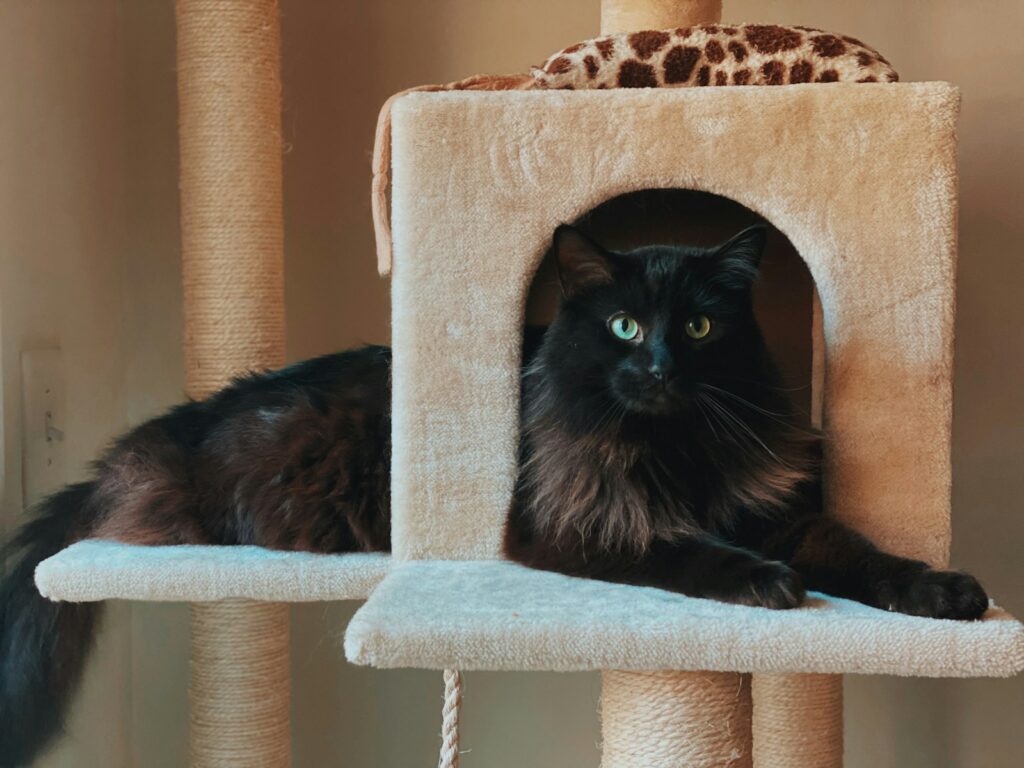
Providing alternatives such as cat trees or wall shelves can satisfy your cat’s need for height without the risks associated with countertops.
These options can redirect their climbing instincts to safer, more appropriate areas.
2. Risk of Illness

For households with young children, elderly, or immunocompromised individuals, the risk of illness from bacteria and parasites is a serious concern.
Extra precautions should be taken to ensure that food preparation areas remain clean and safe.
1. Respecting Instincts
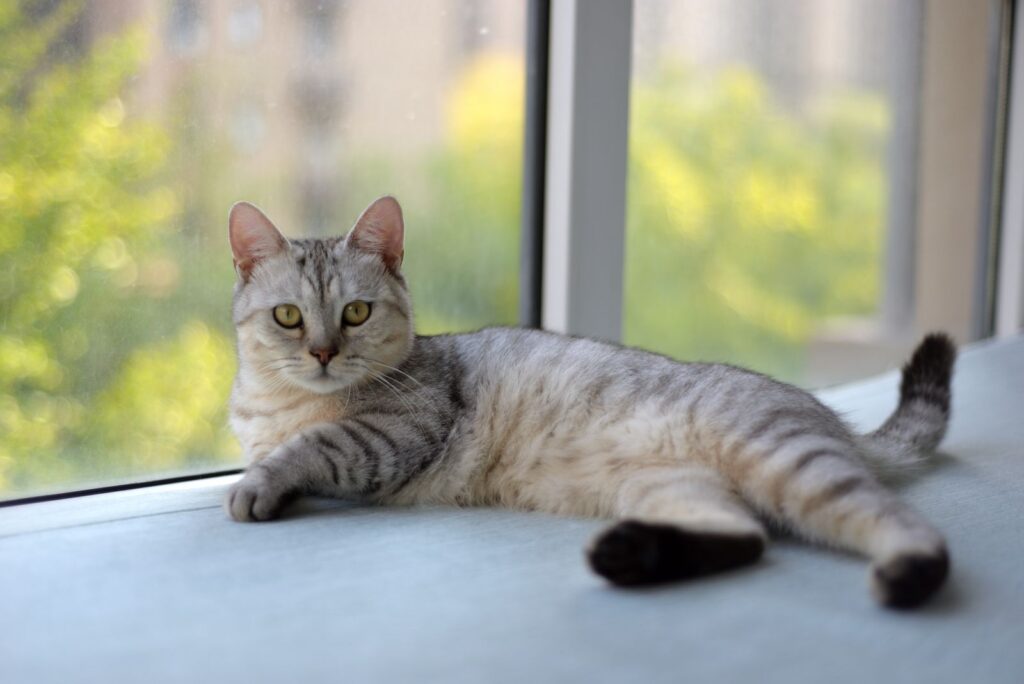
Ultimately, respecting your cat’s instincts is key. High places fulfill their natural behavior and contribute to their happiness.
Finding a balance between accommodating these instincts and maintaining your household’s safety and hygiene is essential.
Read More:
- 10 Ways to Keep Your Senior Cat Healthy and Thriving
- The Right Way to Correct Bad Cat Behavior
- 10 Reasons Your Cat Keeps Biting and Scratching (And How to Stop It)