
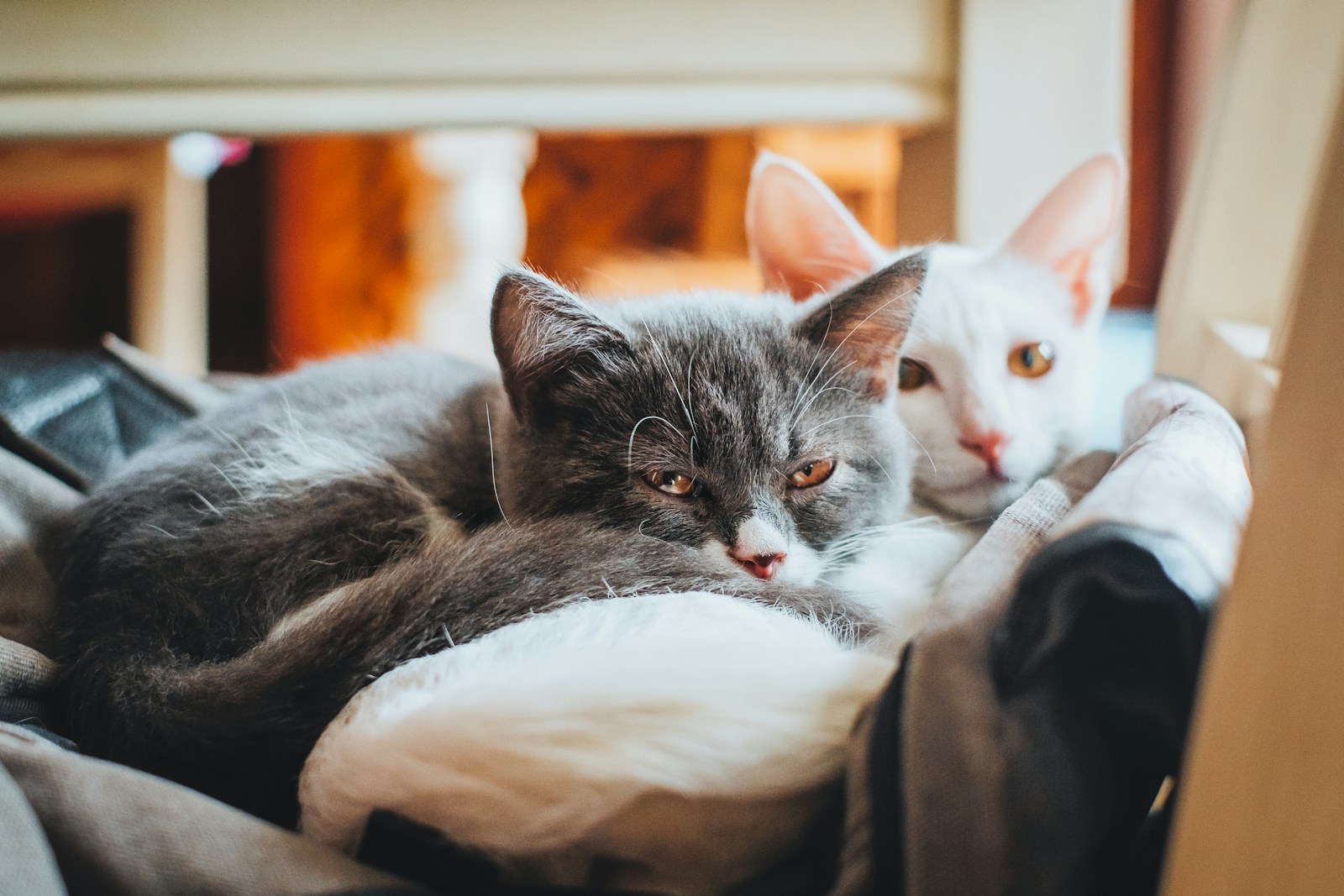
As our beloved feline companions grow older, they enter a new phase of life that requires a little extra attention and care. Senior cats, much like humans, experience physiological changes that can affect their overall well-being. Ensuring our aging cats remain comfortable and content is a vital part of responsible pet ownership.
Caring for a senior cat involves regular health check-ups, adapting their environment, and maintaining engaging interactions. Here are 10 ways to keep your senior cat healthy and thriving.
10. Regular Veterinary Check-Ups
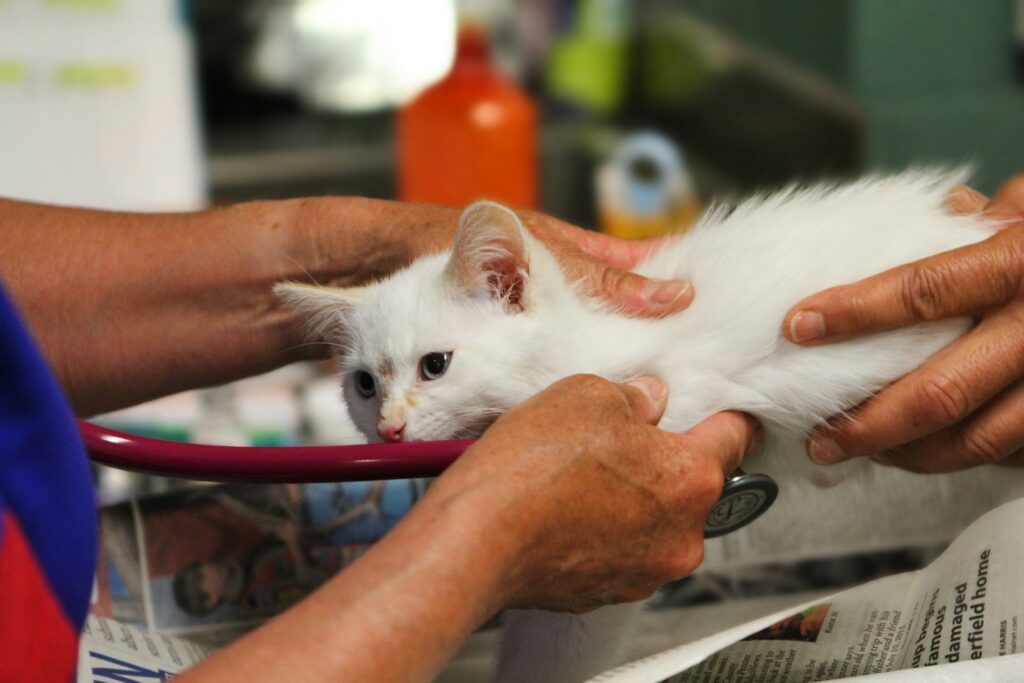
Frequent vet visits are crucial for monitoring your senior cat’s health.
As cats age, they become more susceptible to health issues. It’s recommended to take your senior cat to the vet at least twice a year, or more often if advised, to catch any potential problems early.
9. Observe Behavioral Changes
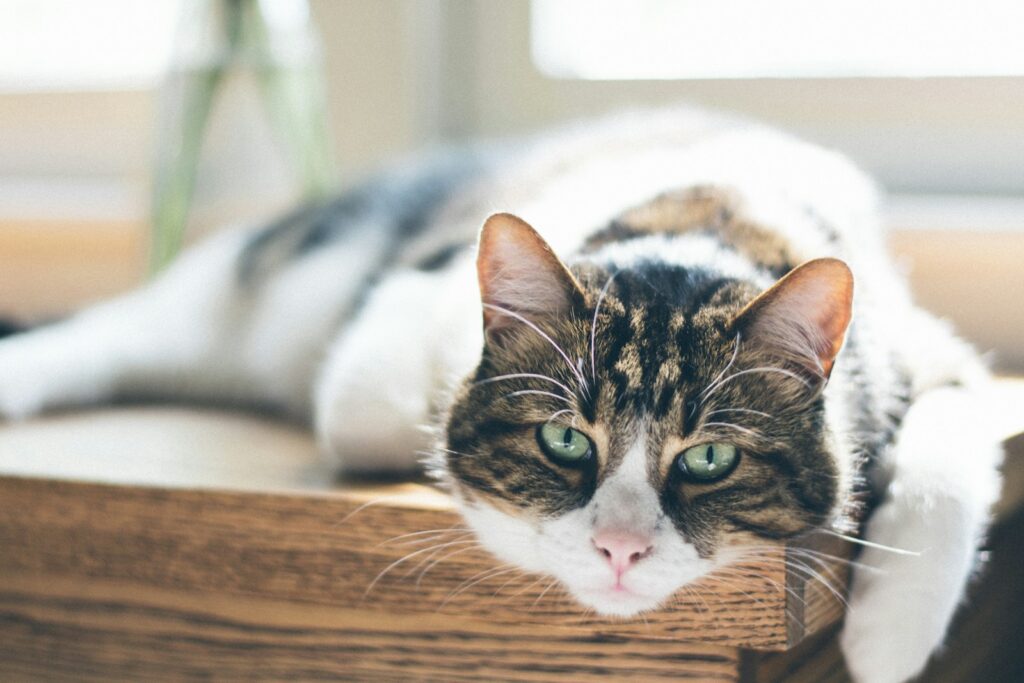
Pay attention to any shifts in your cat’s behavior.
Changes in activity levels, vocalizations, or mobility can indicate underlying health issues. Noticing these changes early can help your vet provide timely interventions.
8. Adapt Their Environment
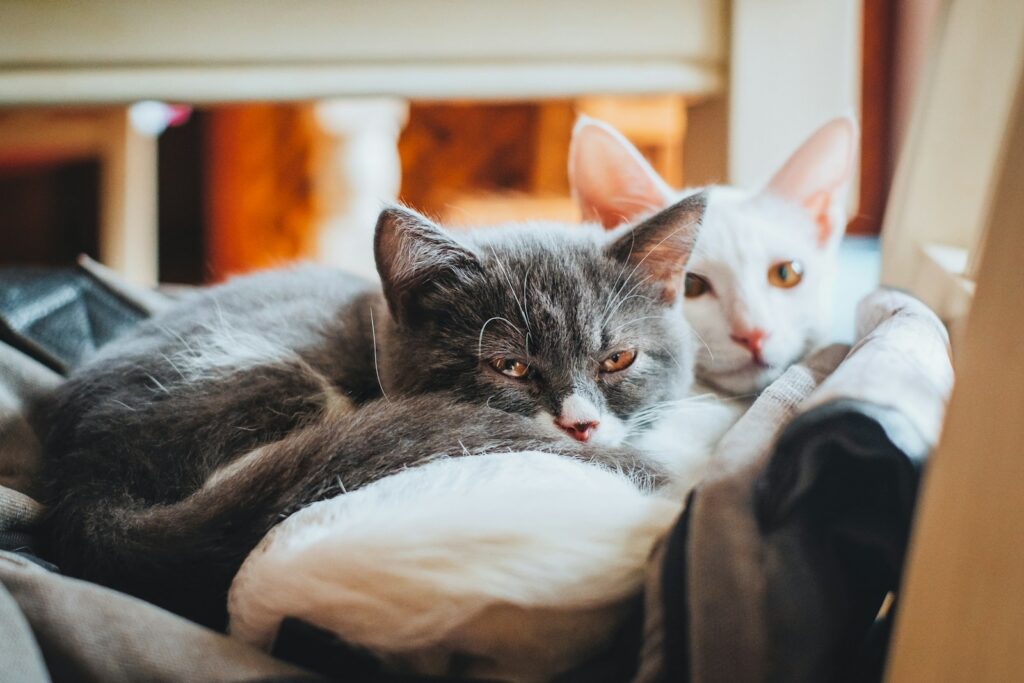
Make your home more senior cat-friendly.
Consider adding ramps or steps to help your cat access favorite resting spots. Ensure food, water, and litter boxes are easily accessible to accommodate their needs.
7. Provide Comfortable Resting Areas
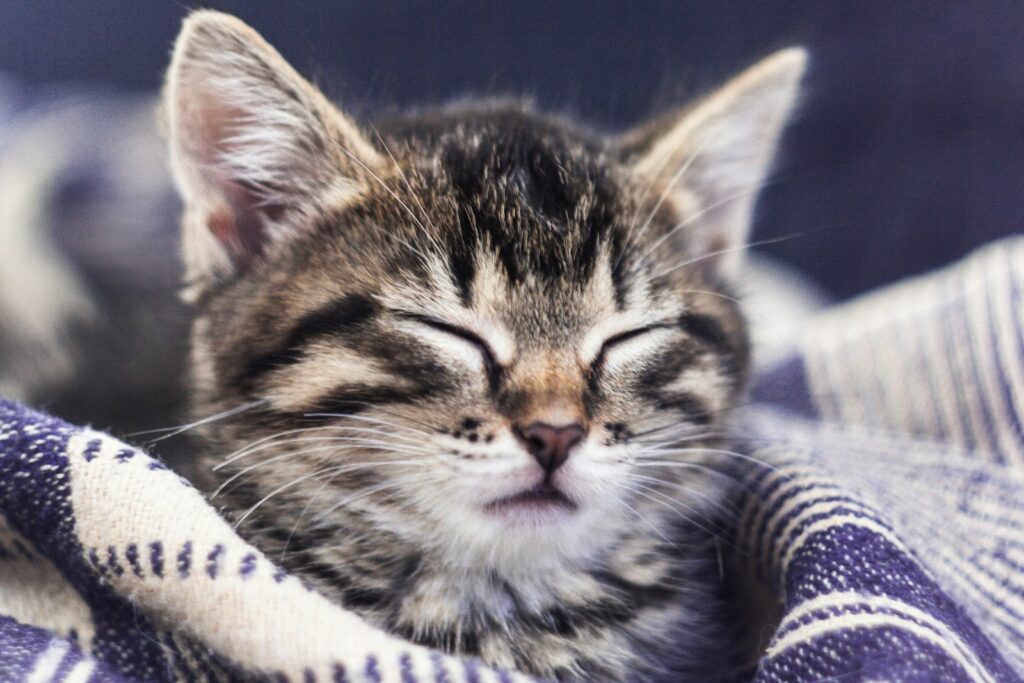
Ensure your cat has cozy spots to relax.
Soft, warm beds and blankets can help soothe aching joints and provide comfort. Position these in quiet, draft-free areas of your home.
6. Maintain a Nutritious Diet
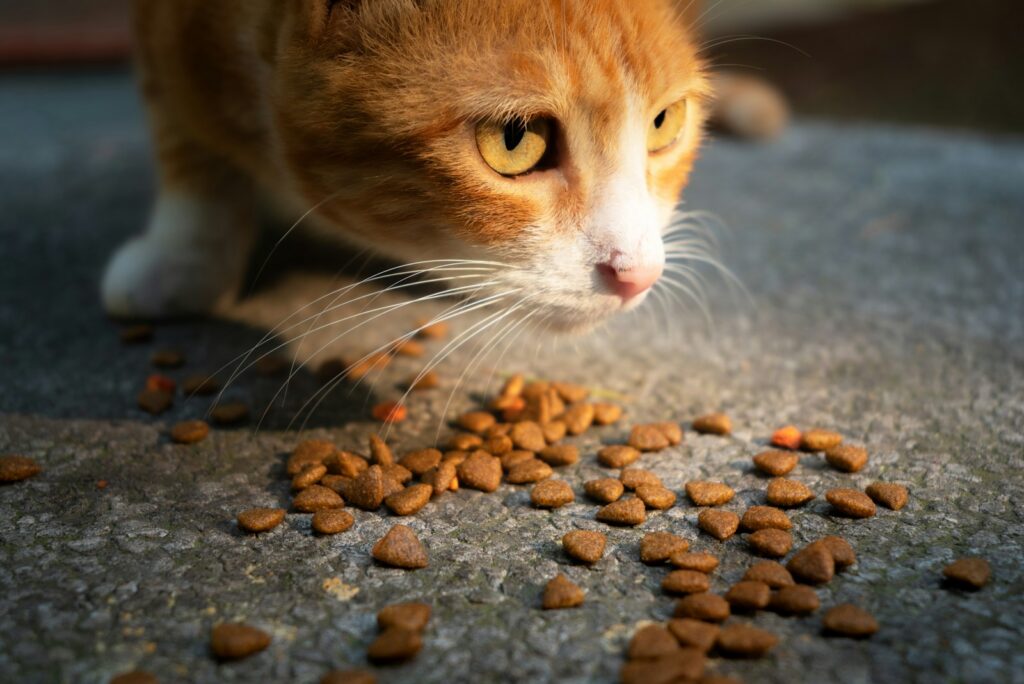
Feed your cat a diet suited to their age and health needs.
Consult your vet to choose the best diet for your senior cat, focusing on easily digestible foods that support joint health and overall vitality.
5. Encourage Gentle Play
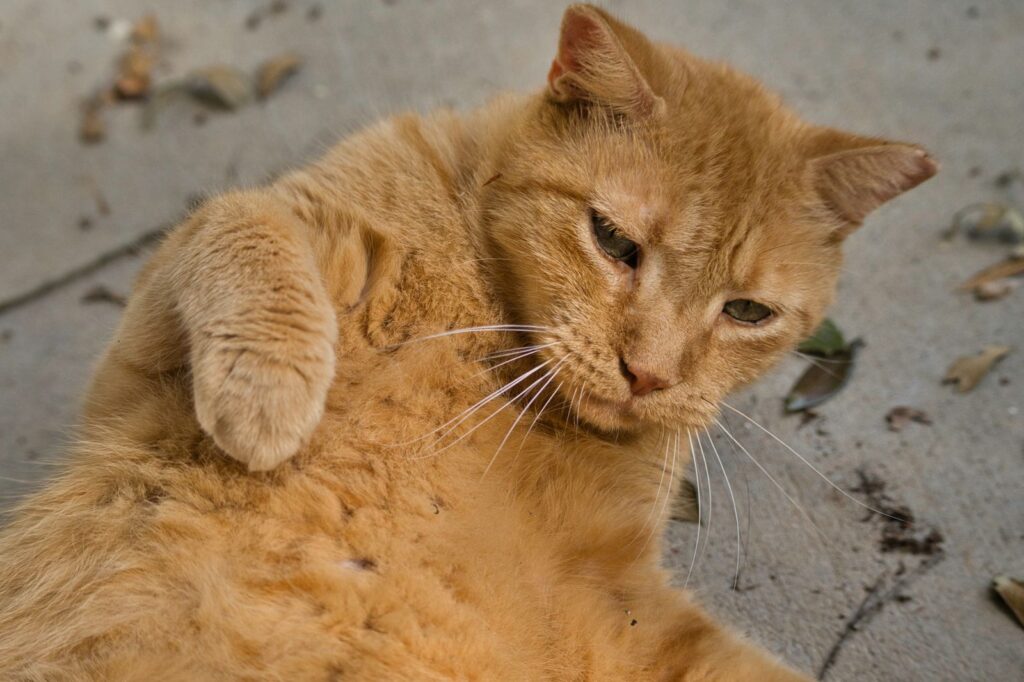
Keep your cat mentally and physically stimulated with play.
While they may not play as vigorously as before, interactive toys like wand toys can still engage their hunting instincts and provide exercise.
4. Grooming Assistance
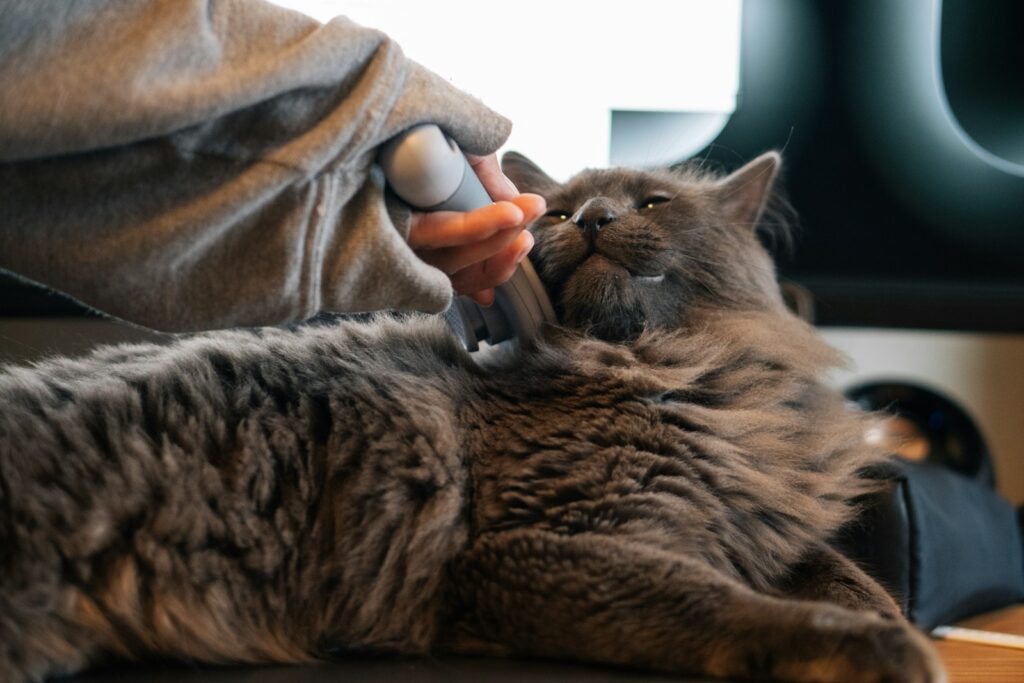
Help your cat stay clean and comfortable.
Older cats might struggle with grooming, so regular brushing and claw trimming can prevent matting and discomfort.
3. Provide Olfactory Enrichment
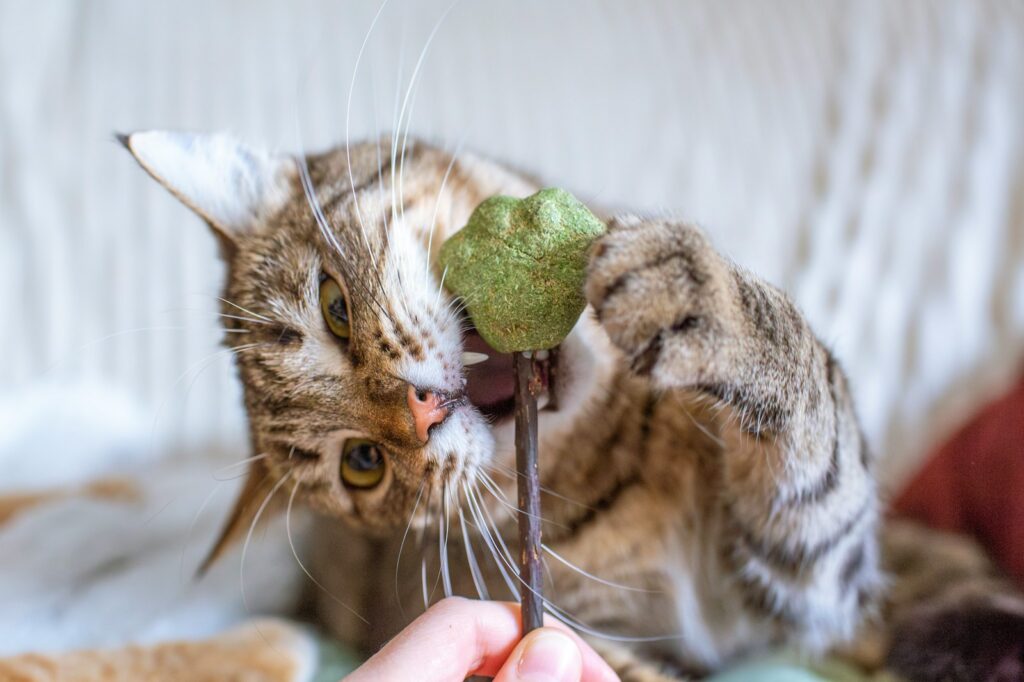
Stimulate your cat’s senses with scents like catnip or silvervine.
These can provide mental stimulation and enjoyment, helping to keep your cat’s mind active and engaged.
2. Ensure Positive Interactions
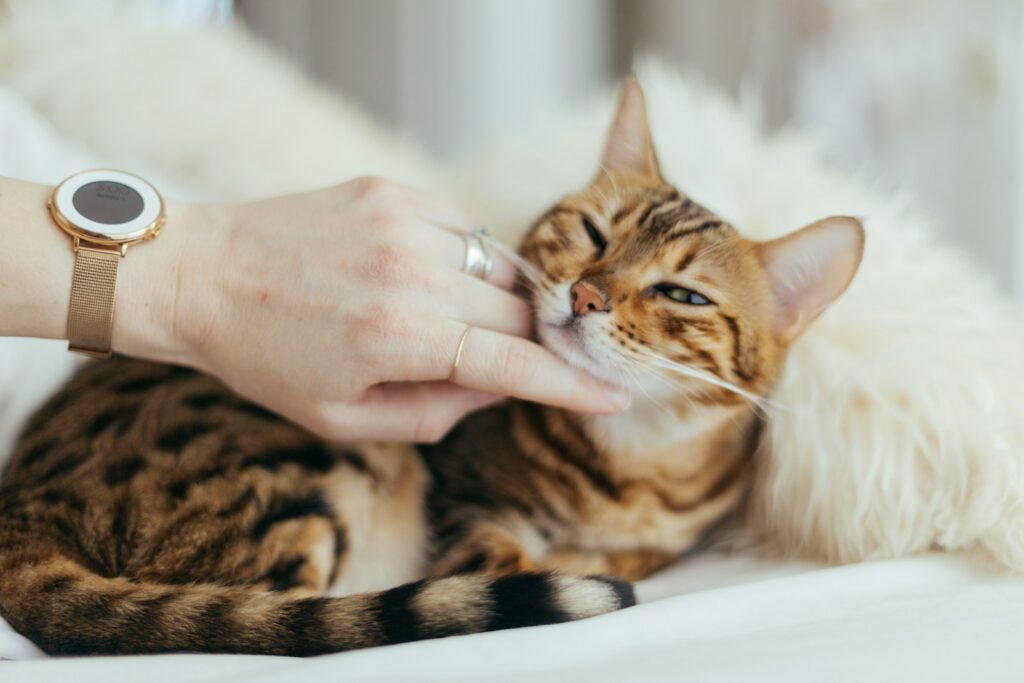
Maintain a loving and predictable relationship with your cat.
Consistency in your interactions can help reduce stress and provide comfort, reinforcing the bond you share.
1. Train for Vet Visits
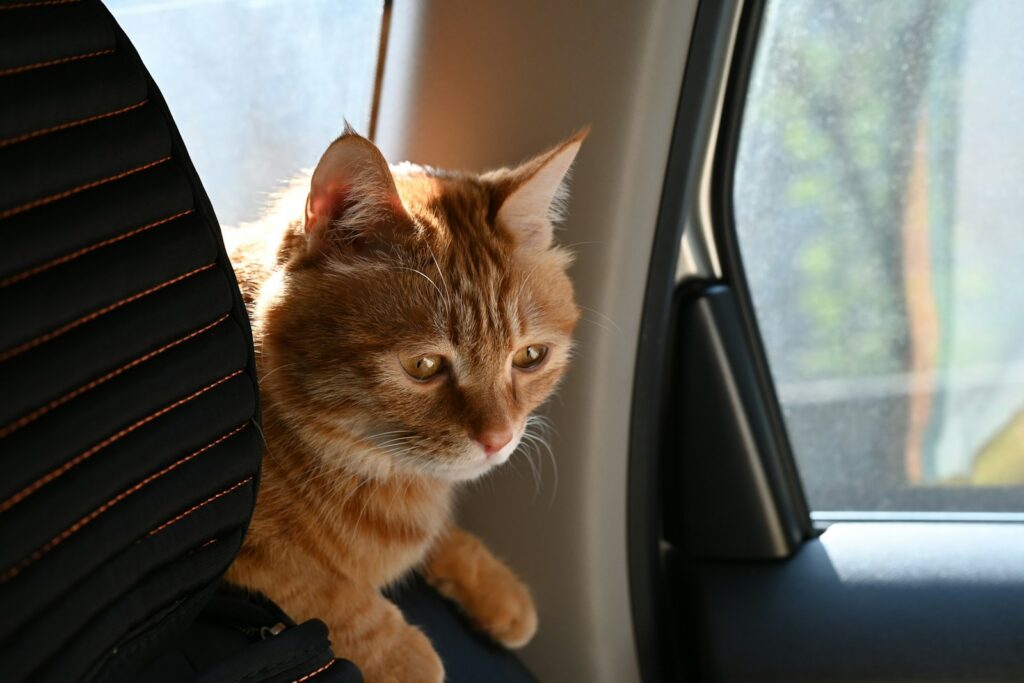
Make the vet experience less stressful for your cat.
Training your cat to be comfortable with their carrier and car rides can make vet visits less daunting, ensuring they receive the care they need.
Read More:
- The Right Way to Correct Bad Cat Behavior
- 10 Reasons Your Cat Keeps Biting and Scratching (And How to Stop It)
- Is Your Cat a Picky Eater? Try These 10 Simple Solutions