
Cats don’t respond to discipline the same way dogs do. Yelling, punishment, or physical corrections rarely work and can actually damage your relationship with your pet. The most effective cat training focuses on positive reinforcement, redirection, and consistency.
If your cat is scratching furniture, jumping on counters, or engaging in other frustrating behaviors, these proven techniques can help encourage better habits while preserving trust and confidence.
15. Rule Out Medical Problems First
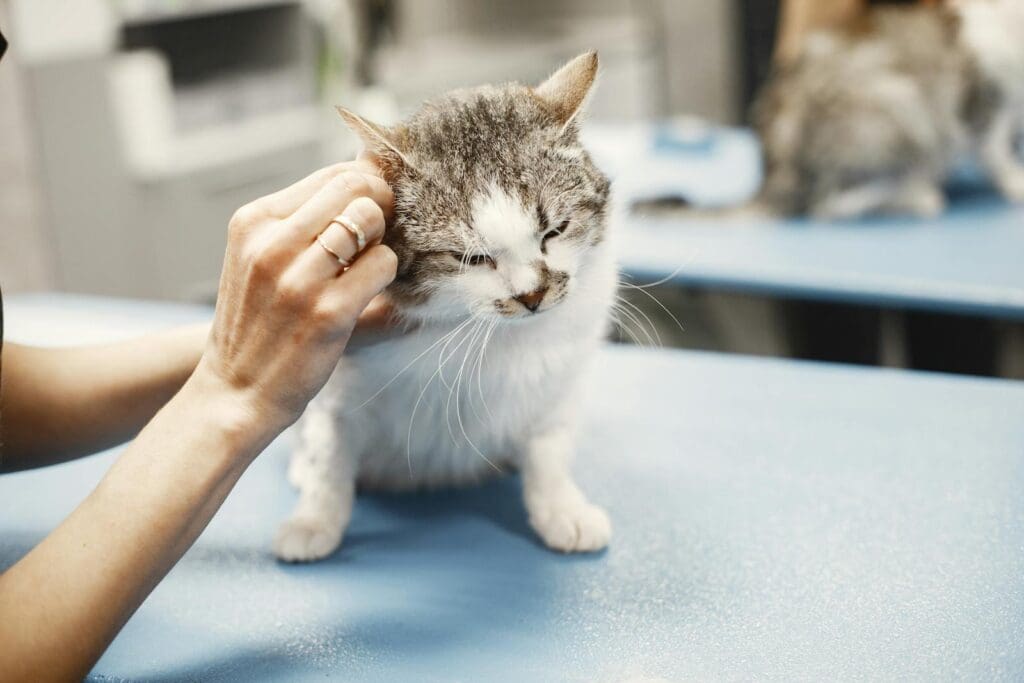
Before assuming your cat is being stubborn, consider whether there’s an underlying health issue.
Litter box accidents, sudden aggression, excessive vocalization, or unusual behavior can sometimes be linked to medical conditions such as urinary tract infections, diabetes, hyperthyroidism, or pain. If your cat’s behavior changes suddenly, a veterinary visit should be your first step.
14. Reward the Behavior You Want
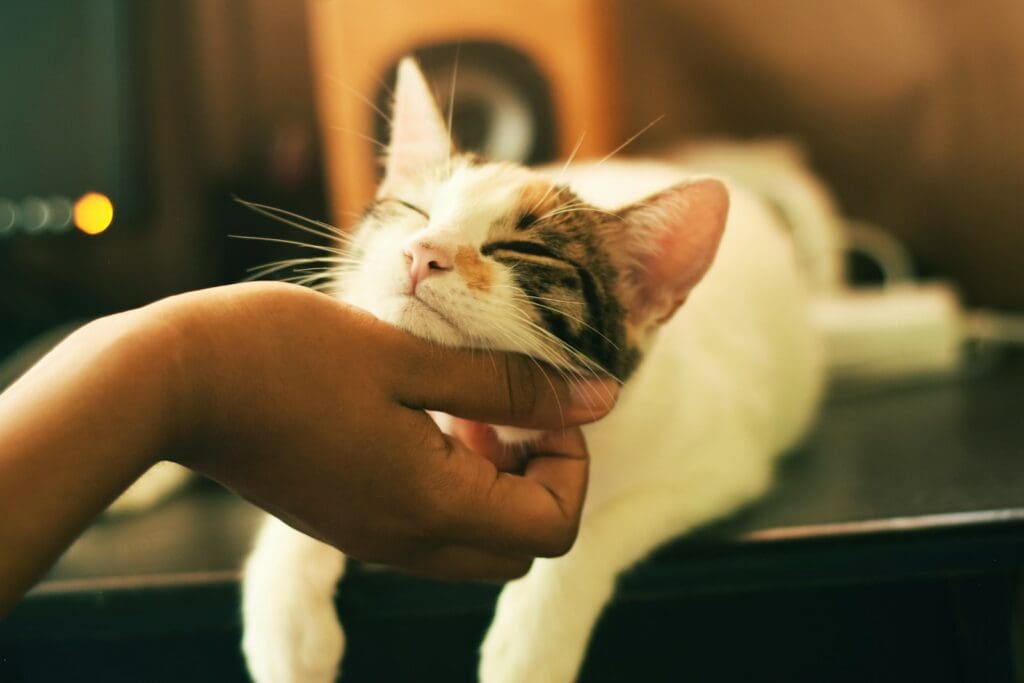
Cats learn best when good behavior leads to positive outcomes.
When your cat uses a scratching post, stays off a forbidden surface, or follows a desired routine, offer praise, treats, or playtime. Positive reinforcement helps cats understand which behaviors earn rewards.
13. Keep Training Sessions Short

Cats have shorter attention spans than dogs.
Brief, focused training sessions tend to be much more effective than long lessons. A few minutes at a time is often enough to reinforce a skill without causing frustration.
12. Be Consistent

Consistency is one of the most important parts of cat training.
If jumping on the counter is allowed one day but punished the next, your cat receives mixed signals. Everyone in the household should follow the same rules and responses.
11. Redirect Instead of Punish
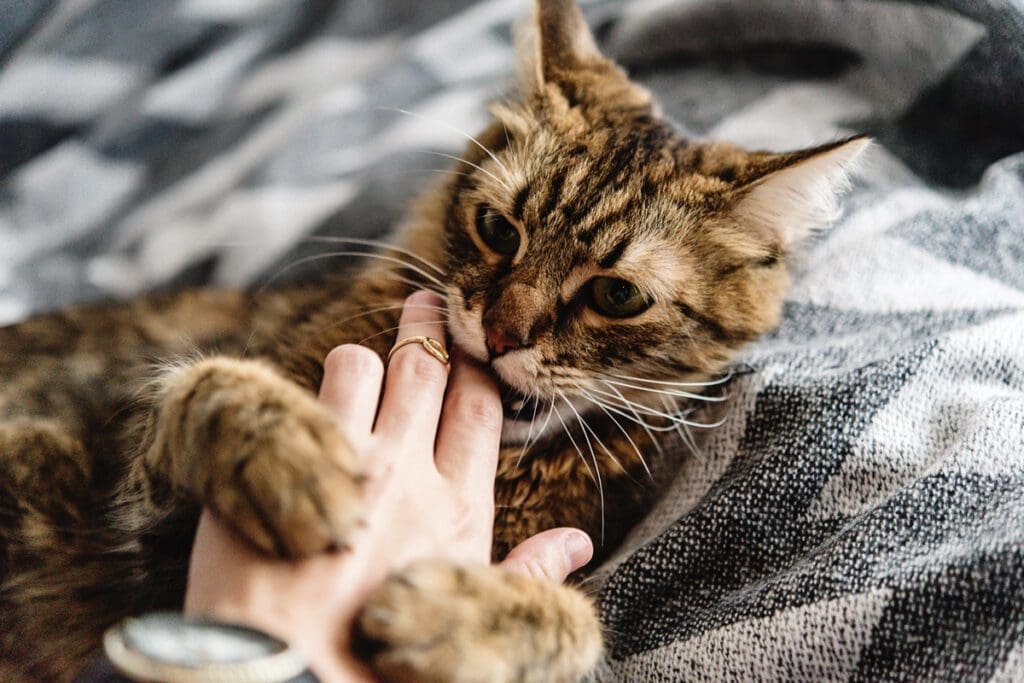
When your cat is doing something undesirable, show them what you’d prefer instead.
If they’re scratching the couch, guide them toward a scratching post. If they’re chewing cords, redirect them to an appropriate toy. Reward the alternative behavior immediately.
10. Never Use Physical Punishment

Physical corrections don’t teach cats what you want them to do.
Instead, they often create fear, anxiety, and distrust. Techniques such as hitting, swatting, or rubbing a cat’s nose in a mess can damage your bond and make behavior problems worse.
9. Use Your Attention Strategically
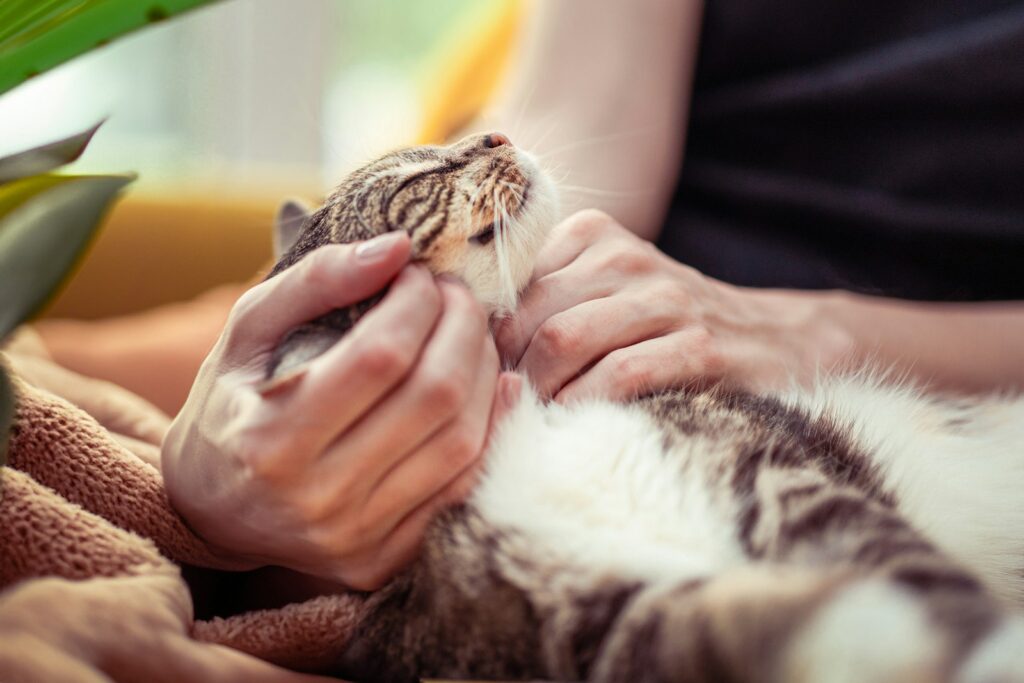
Many cats crave interaction from their humans.
If your cat bites during play or engages in attention-seeking behavior, calmly removing your attention can send a powerful message. Ending the interaction teaches that certain behaviors make the fun stop.
8. Make Undesirable Areas Less Appealing

Environmental management often works better than direct discipline.
Double-sided tape, aluminum foil, or other harmless deterrents can discourage cats from jumping onto counters or scratching furniture. Most cats dislike these textures and will seek alternatives.
7. Provide Better Alternatives

It’s not enough to tell a cat what not to do.
If you don’t want them climbing bookshelves, provide cat trees. If scratching furniture is a problem, offer scratching posts in multiple locations. Cats are far more likely to cooperate when acceptable alternatives are available.
6. Use a Firm Voice, Not a Loud One

A calm but firm verbal correction can interrupt unwanted behavior.
Shouting, however, often creates stress without teaching anything useful. The goal is to redirect your cat’s attention, not frighten them.
5. Address Boredom

Many behavior issues stem from a lack of stimulation.
Cats are intelligent, curious animals that need opportunities to hunt, climb, chase, and explore. Interactive toys, puzzle feeders, and daily play sessions can significantly reduce unwanted behaviors.
4. Consider Motion-Activated Deterrents

Technology can help discourage behaviors when you’re not present.
Motion-activated air sprayers can keep cats away from specific areas without associating the correction directly with you. This can be particularly helpful for countertops, furniture, or restricted rooms.
3. Use Pheromone Products When Appropriate
Synthetic feline pheromones can help reduce certain stress-related behaviors.
Products containing calming pheromones are often used to reduce scratching, spraying, and anxiety in multi-cat households or during periods of change.
2. Don’t Expect a Cat to Learn Like a Dog

Cats and dogs process training differently.
While dogs are often eager to please, cats tend to be motivated by rewards and self-interest. Training requires patience, consistency, and realistic expectations. Trying to use dog-training methods on cats rarely produces good results.
1. Focus on Building Trust

The most effective cat discipline starts with a strong relationship.
Cats that feel safe, secure, and understood are more likely to respond positively to training. Rather than focusing on punishment, focus on teaching, rewarding, and creating an environment where good behavior is easy to choose. Over time, that approach produces better results—and a happier cat.
Read More:
- 10 Reasons Your Cat Keeps Biting and Scratching (And How to Stop It)
- 12 Ways Your Cat Is Saying “I Love You.”
- 10 Things Everyone Gets Wrong About Cats