
Growing mushrooms at home can be an exciting and rewarding endeavor, offering a sustainable way to enjoy your favorite fungi varieties. While the process might seem daunting at first, with the right guidance, you can cultivate mushrooms like shiitakes, oysters, and lion’s mane in your own backyard or even indoors.
Before you begin, it’s important to understand the basic needs of mushrooms: spores, a suitable growing medium, and the appropriate temperature, humidity, light, and airflow. With these essentials in mind, here are eight steps to successfully grow mushrooms at home.
8. Choose the Right Mushroom Variety
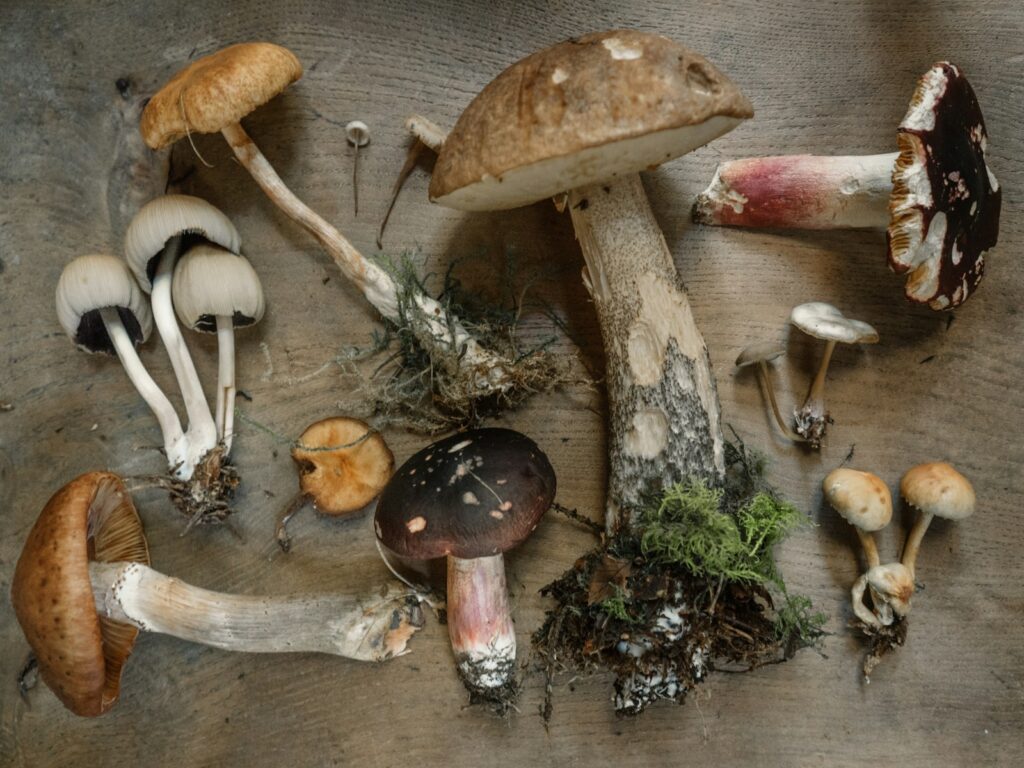
Selecting the right mushroom variety is crucial for beginners. Oyster mushrooms are often recommended because they are hardy and fast-growing.
These mushrooms are not only easy to grow but also versatile in the kitchen, making them a great starting point for novice growers. Consider starting with a boxed kit for simplicity.
7. Prepare Your Growing Medium
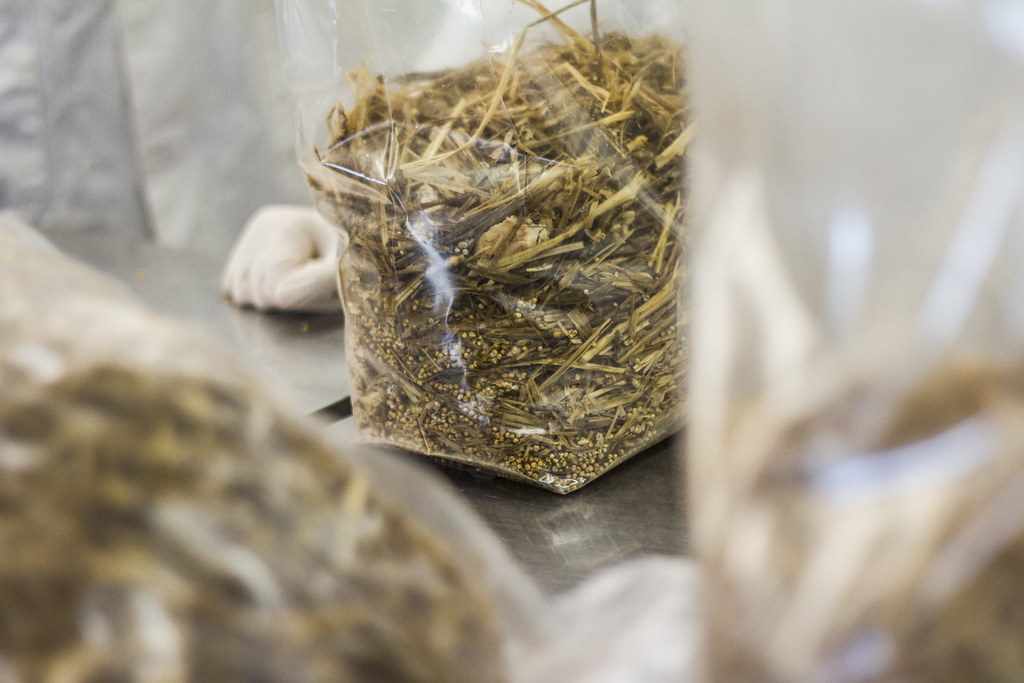
Mushrooms require a specific growing medium, such as straw, wood chips, or a pre-made fruiting block. The medium must be properly treated to reduce competing microorganisms.
For those using a kit, the medium is often pre-prepared, simplifying the process. Follow the kit’s watering instructions carefully, since excess moisture can encourage contamination.
6. Maintain Proper Humidity
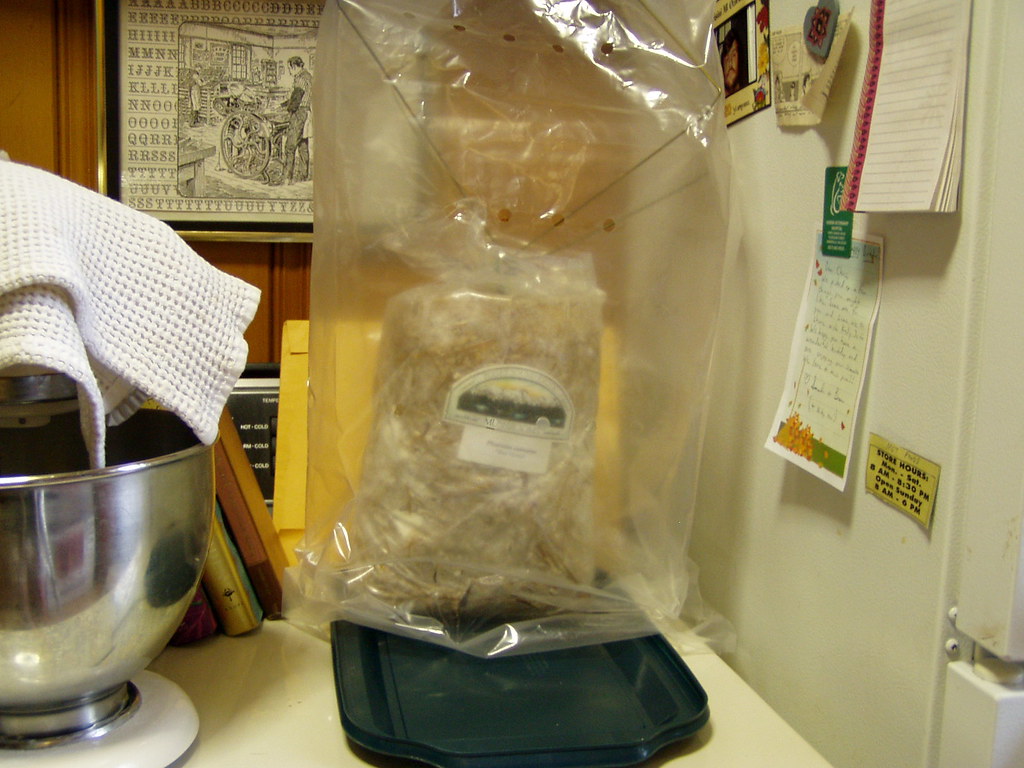
Humidity is a key factor in mushroom cultivation. Most mushrooms thrive in a humid environment, which can be achieved through regular misting.
If growing indoors, consider using a humidity tent or or a ventilated growing chamber that retains moisture while allowing fresh air to circulate.
5. Provide Indirect Light
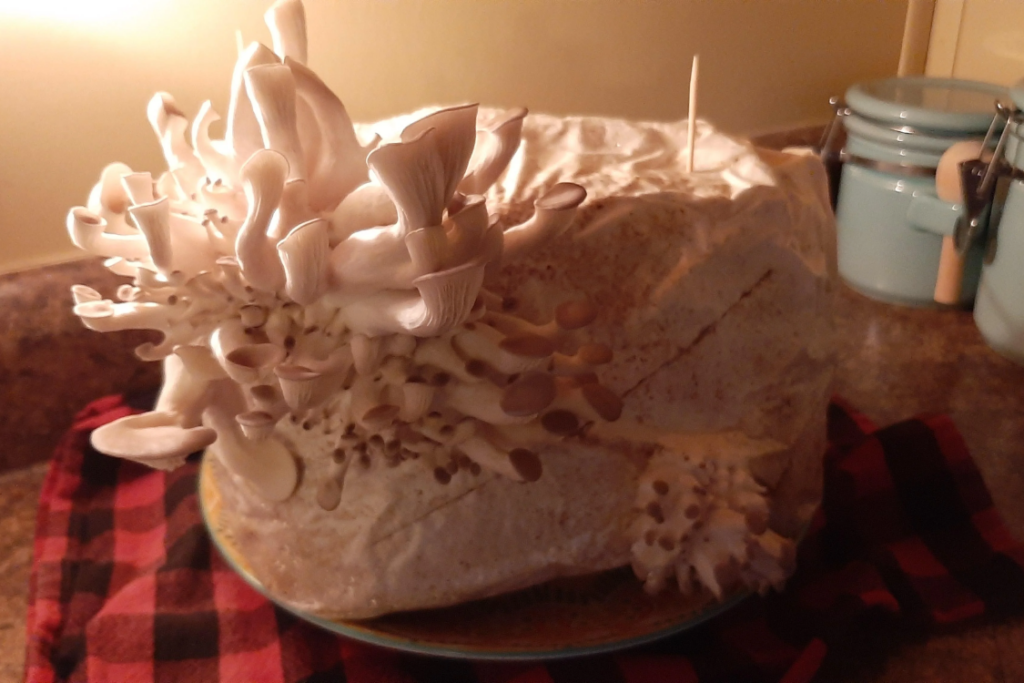
Mushrooms do not require direct sunlight; in fact, too much light can be detrimental. Indirect light or low-intensity light is sufficient for most varieties.
Place your growing setup in a location with filtered light to mimic the natural conditions of a forest floor.
4. Monitor Temperature
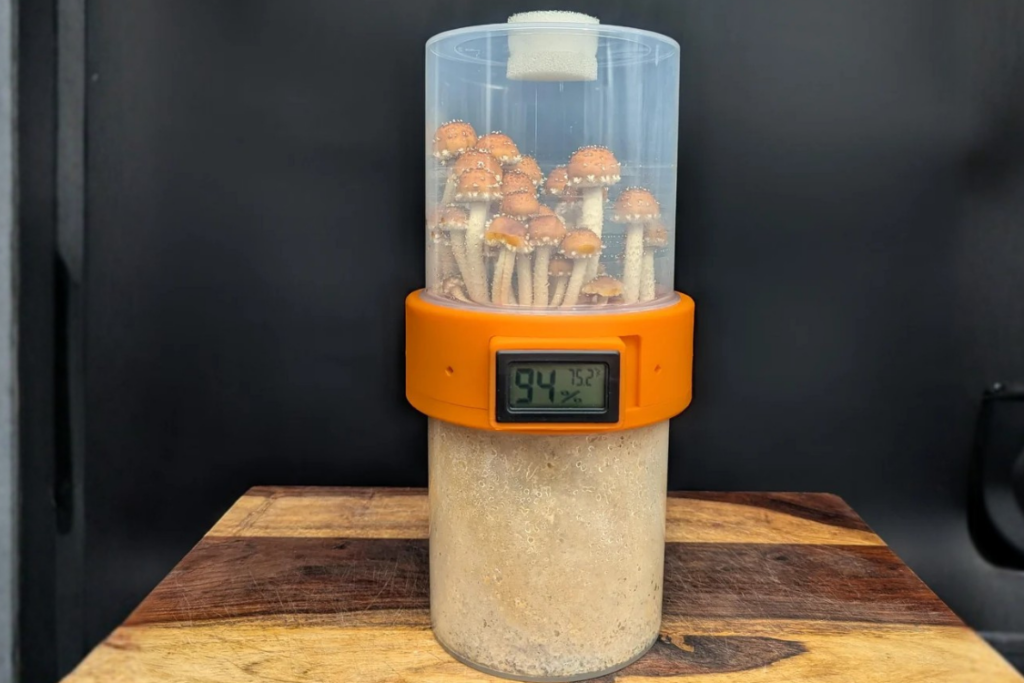
Temperature plays a significant role in mushroom growth. Most varieties prefer a range between 55°F and 75°F.
Ensure that the growing area maintains the recommended temperature for your chosen variety, as unsuitable conditions can hinder its development.
3. Avoid Contamination
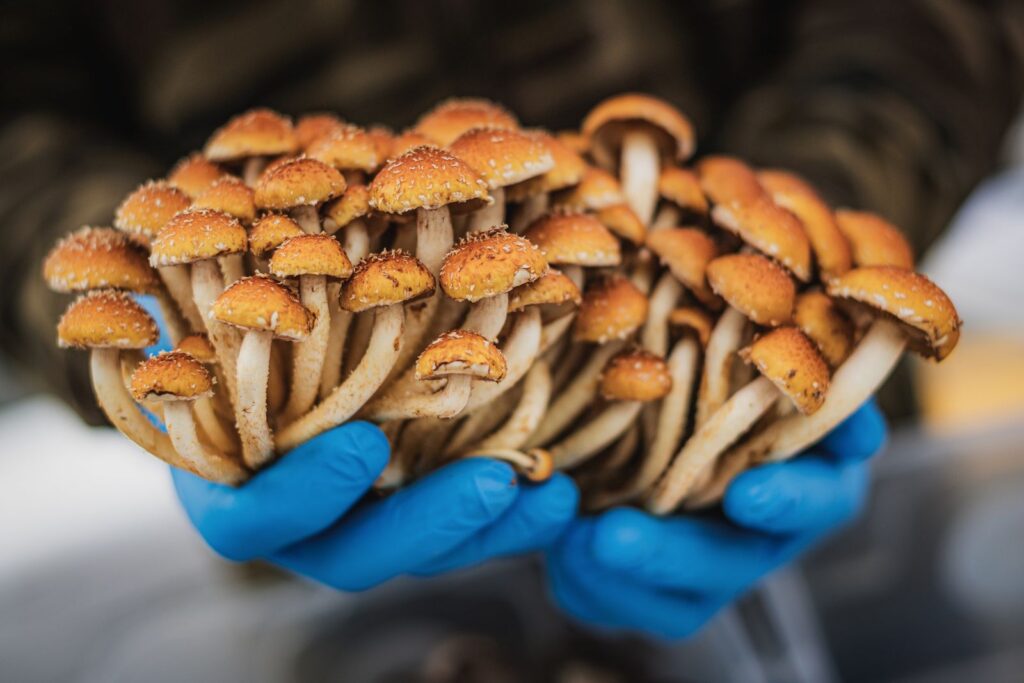
Contamination is a common hurdle in mushroom cultivation. Always use clean tools and wash your hands before handling the growing medium.
Consider using a simple homemade solution of vinegar and baking soda to keep pests at bay without harming the mushrooms. Avoid spraying directly on the mushrooms or growing medium.
2. Harvest at the Right Time
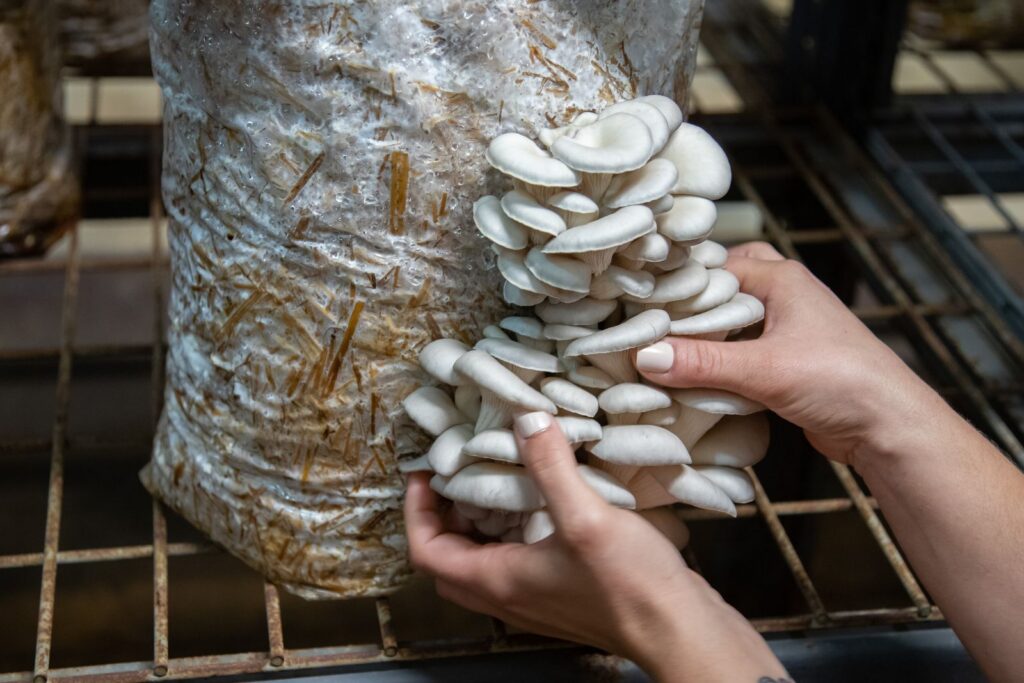
Timing your harvest is crucial. Mushrooms should be picked when they reach maturity, depending on the variety, but before they begin to release spores.
This ensures the best flavor and texture. Regularly check your mushrooms, as they can grow rapidly once conditions are right.
1. Experiment and Learn
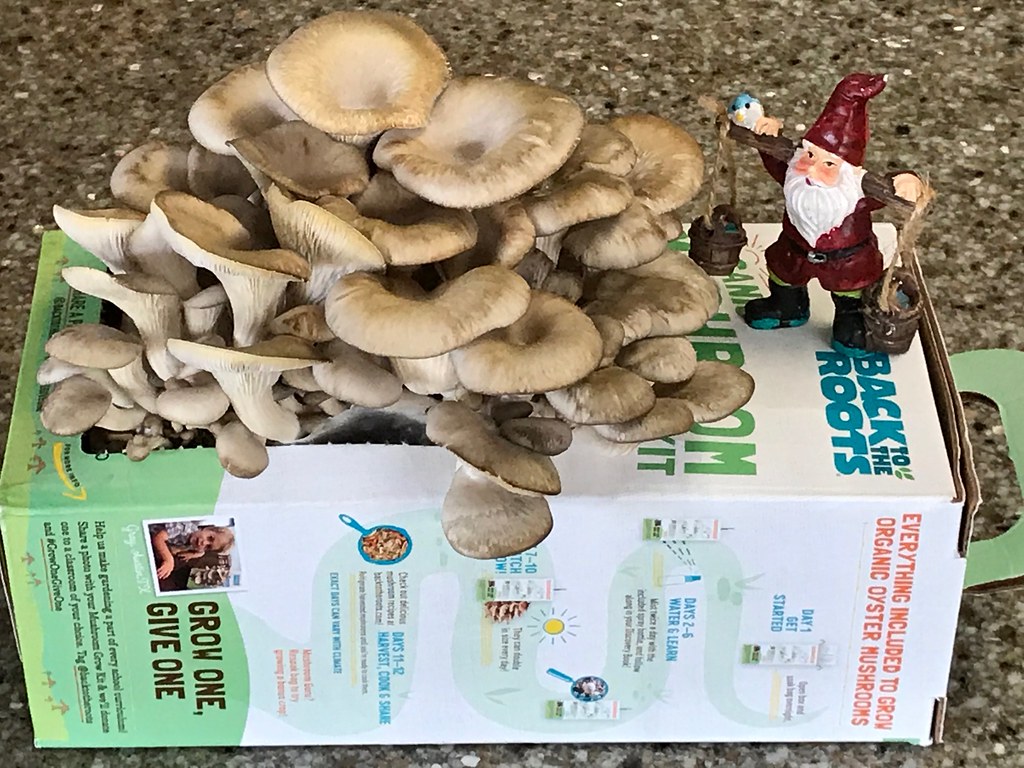
Each mushroom-growing attempt is a learning experience. Don’t be discouraged by initial failures; they are part of the process.
Try different methods and setups to find what works best for your environment and preferences. With time, you’ll become more adept at cultivating a variety of mushrooms.
Read More:
- 10 Tips to Start Growing Your Own Food
- 10 Hard Truths About Growing Your Own Food
- What Social Media Won’t Tell You About Homesteading