
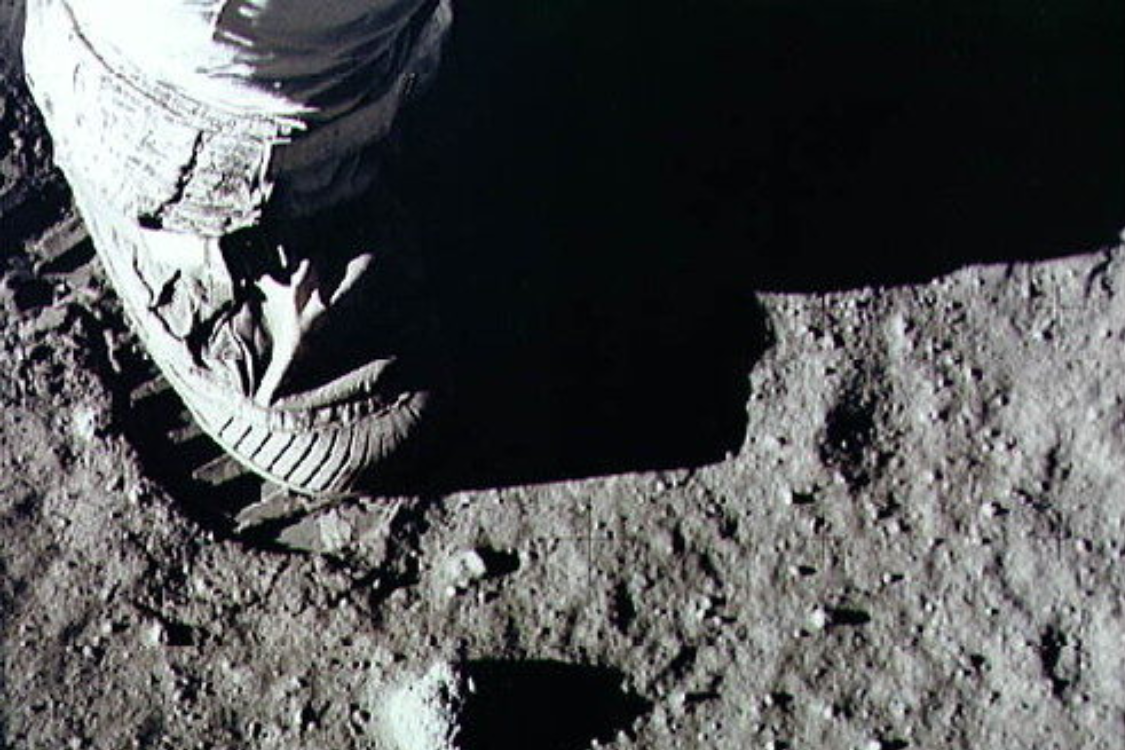
The moon landing on July 20, 1969, marked a pivotal moment in human history. As Neil Armstrong descended from the Lunar Module, he delivered a phrase that would become immortalized. However, the words we think we know might not be entirely accurate. Armstrong’s famous quote has been misheard for decades, leading to widespread misconceptions.
As we revisit this monumental event, it’s crucial to understand what Armstrong truly intended to say, and how it reshapes our perception of this milestone. Here are 9 misunderstood moments from Neil Armstrong’s historic moon landing quote.
9. The Launch of Apollo 11
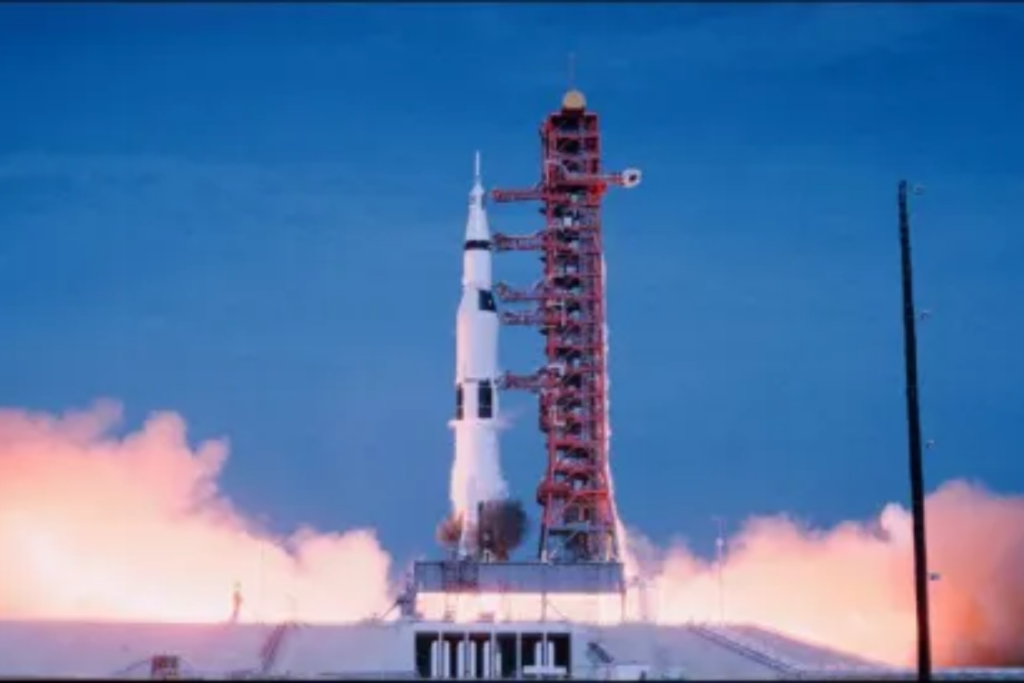
The journey to the moon began on July 16, 1969, with the launch of Apollo 11. Neil Armstrong, Buzz Aldrin, and Michael Collins embarked on a mission that captivated the world.
Over a million spectators gathered to witness the launch from Cape Kennedy, marking the start of a historic voyage that would lead to the first human footsteps on the moon.
8. The First Steps on the Moon
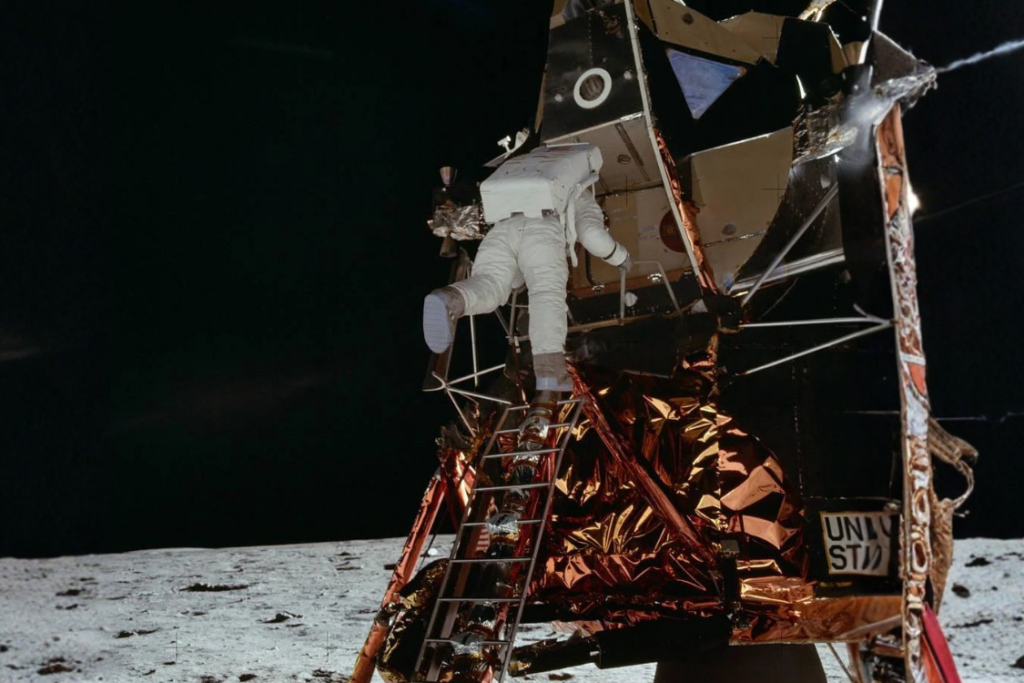
On July 20, 1969, Armstrong became the first human to step onto the lunar surface. His words were broadcast to millions, but not everyone heard them as intended.
Armstrong’s phrase was meant to highlight the contrast between his small physical step and the monumental achievement for humanity, but a minor detail was lost in transmission.
7. Misheard Words
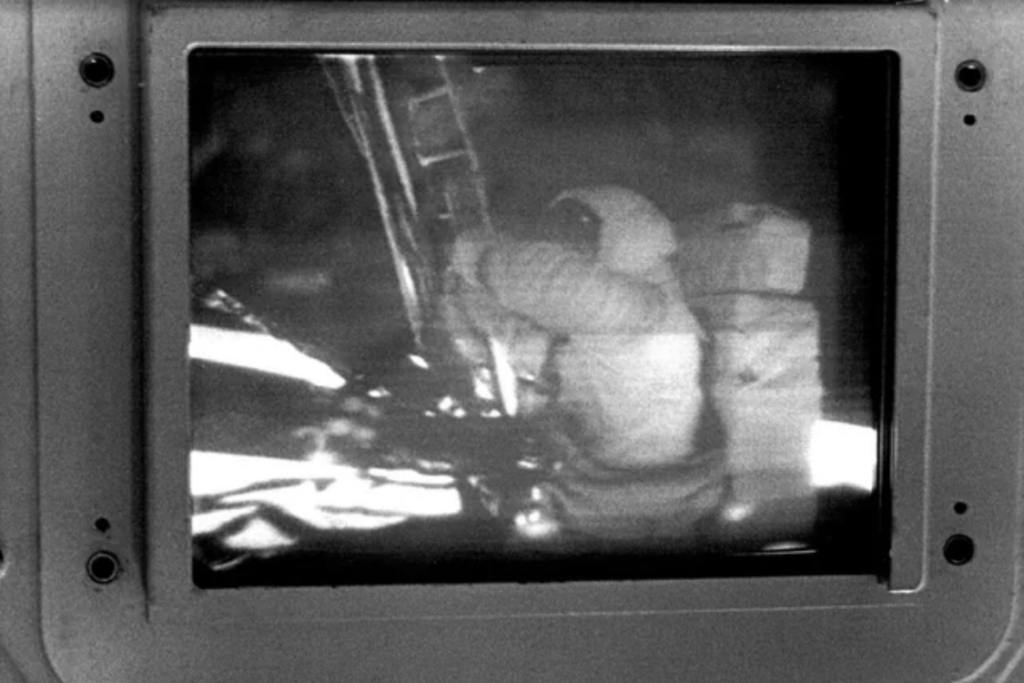
Armstrong’s quote is often repeated as, “That’s one small step for man, one giant leap for mankind.” However, this version omits a crucial word.
Armstrong intended to say, “That’s one small step for a man,” emphasizing the individual act against the backdrop of a significant collective achievement.
6. The Missing “A”
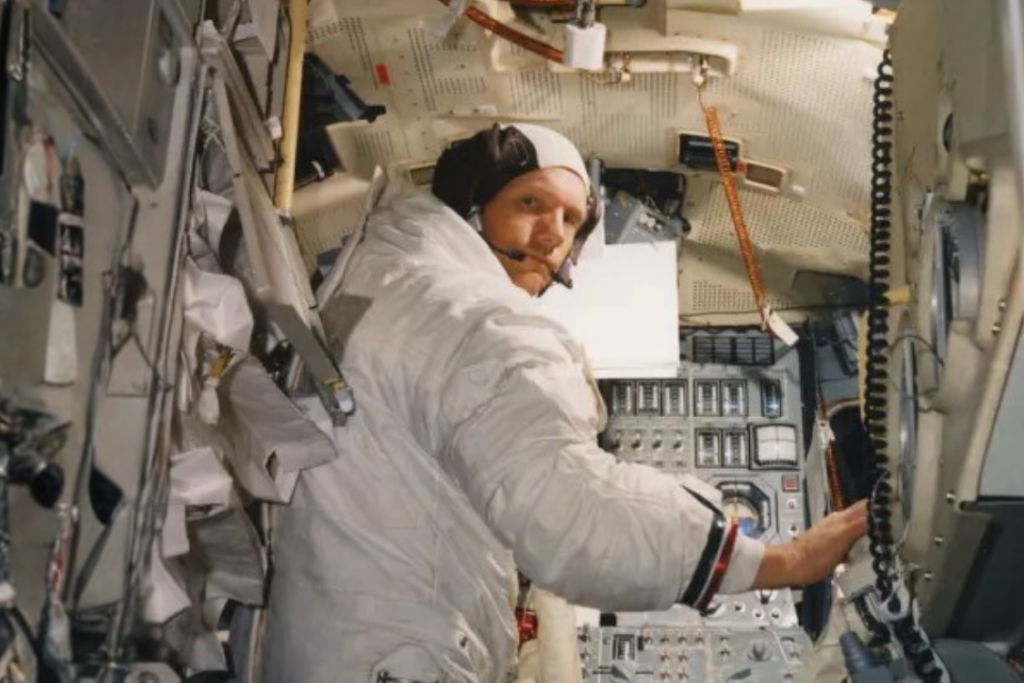
The absence of the “a” in Armstrong’s sentence changes its meaning. Without it, “man” can mean humanity as a whole, making the contrast with “mankind” less clear.
Including “a” clarifies that Armstrong’s step was a minor action by an individual, contrasting with the monumental leap for mankind.
5. Armstrong’s Own Admission
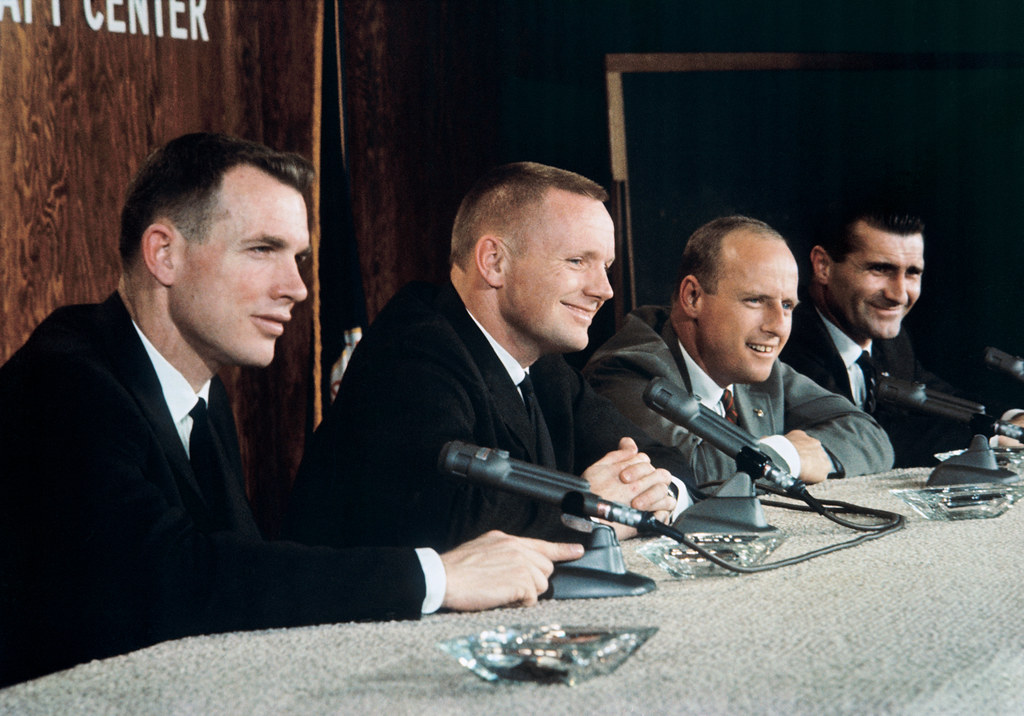
After returning to Earth, Armstrong addressed the misinterpretation of his words. He admitted that the intended “a” was not audible in the transmission.
This clarification came after the historic event, as the world had already embraced the misheard version of his quote.
4. Audio Analysis

In 2006, advanced audio analysis by Peter Shann Ford suggested that Armstrong did say “a,” but it was obscured by static.
This analysis supports Armstrong’s original statement, though it came decades after the event, when the misheard version had already been cemented in history.
3. The Impact of the Quote

Despite the misinterpretation, Armstrong’s words have inspired generations. The phrase symbolizes human achievement and exploration.
Whether or not the “a” was heard, the moon landing remains a testament to human ingenuity and the spirit of discovery.
2. Revisiting the Moon
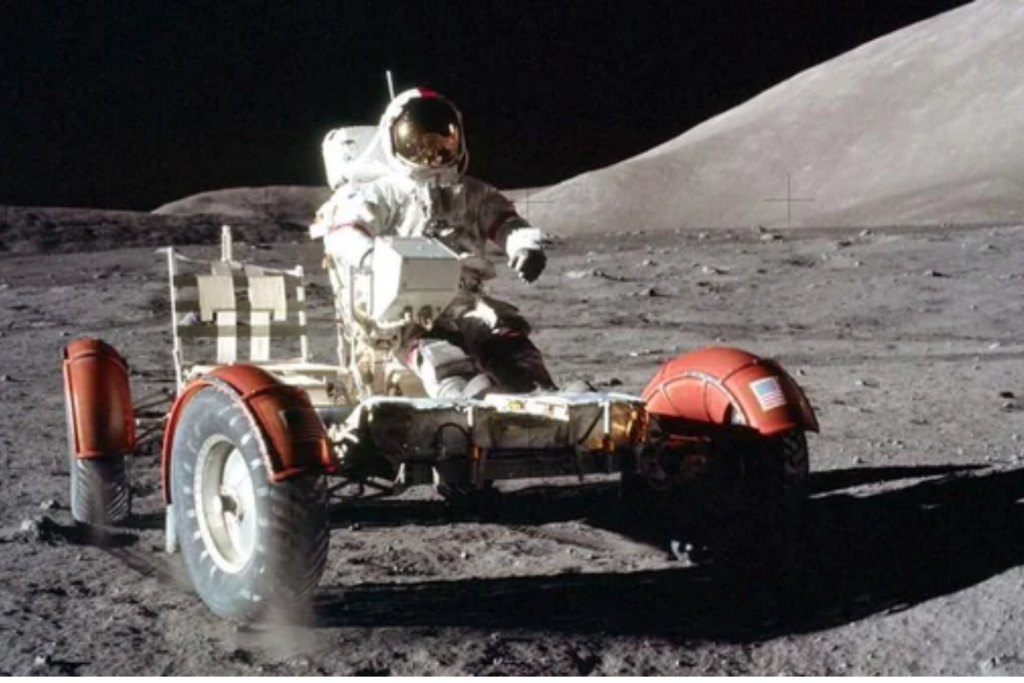
Since Apollo 11, humans have returned to the moon only a handful of times. The last mission was Apollo 17 in 1972.
Future missions, such as Artemis 4, aim to explore new regions, continuing the legacy of exploration initiated by Armstrong and his crew.
1. A Legacy of Exploration
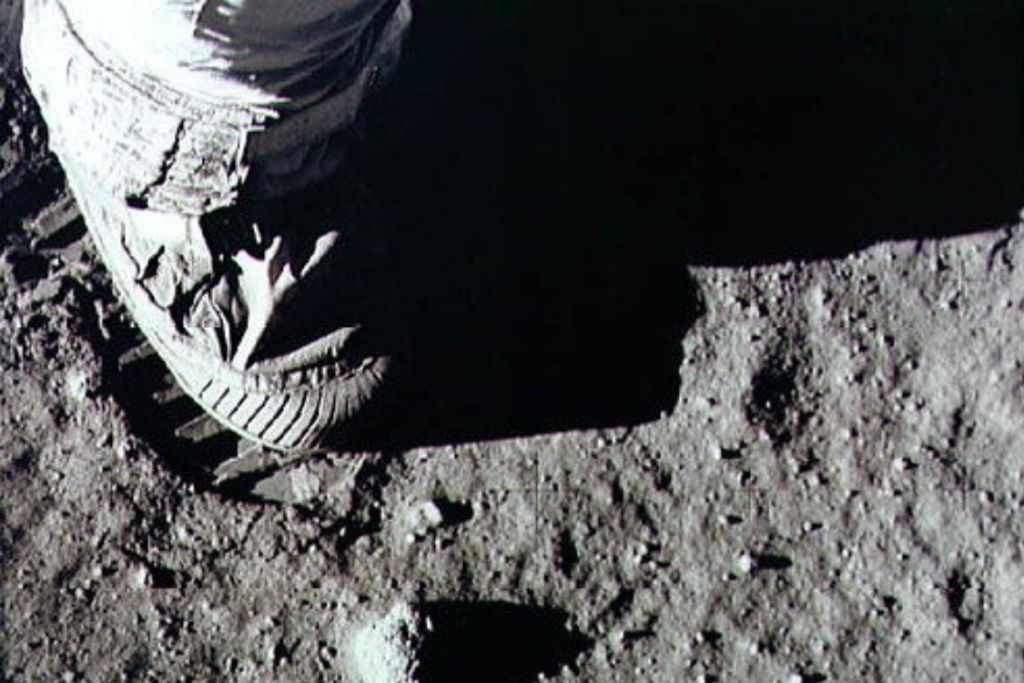
Armstrong’s moon landing words, despite being misheard, continue to resonate as a powerful symbol of human achievement.
The legacy of Apollo 11 endures, inspiring future generations to reach for the stars and explore the unknown.
Read More:
- 10 Foods Apollo 11 Astronauts Ate in Space
- 10 Times Science Fiction Predicted the Future
- 10 Unforeseen Consequences of Sending Rockets to Space