

Cravings can strike at the worst possible times. One minute you’re committed to eating healthier, and the next you’re standing in front of the pantry wondering how a family-sized bag of chips ended up in your hands.
The good news is that cravings don’t always mean you’re truly hungry. Stress, boredom, habit, dehydration, and even lack of sleep can all trigger the urge to eat. By using a few simple strategies, you can often reduce cravings before they turn into a snack attack.
Here are 15 surprisingly effective ways to take control of cravings and stay on track with your health goals.
15. Brush Your Teeth After Meals

That fresh, minty feeling can help signal that eating time is over.
Many people find that food becomes less appealing immediately after brushing, making it easier to avoid unnecessary snacking.
14. Plan Meals and Snacks Ahead of Time

Cravings often win when healthy options aren’t available.
Having nutritious meals and snacks ready to go makes it easier to avoid impulsive food choices when hunger strikes.
13. Eliminate Mealtime Distractions

Scrolling social media or watching television while eating can make it harder to recognize when you’re full.
Paying attention to your food helps you feel more satisfied and less likely to keep reaching for more.
12. Add More Flavor With Spices

Spices like cinnamon, ginger, cayenne, and turmeric can make meals more satisfying without adding extra calories.
Bold flavors may also help reduce the desire for sugary or highly processed foods later in the day.
11. Get Moving

A short walk, workout, or even a few minutes of physical activity can help distract you from cravings and improve mood.
Exercise may also help regulate some of the hormones involved in hunger and satiety.
10. Manage Stress Before It Manages You

Stress is one of the biggest drivers of emotional eating.
Deep breathing, meditation, journaling, or simply taking a break can help reduce the urge to reach for comfort foods when emotions run high.
9. Prioritize Sleep

Poor sleep can disrupt hormones that regulate hunger and fullness.
When you’re sleep-deprived, cravings for sugary, salty, and high-calorie foods often become much stronger.
8. Don’t Fear Healthy Fats
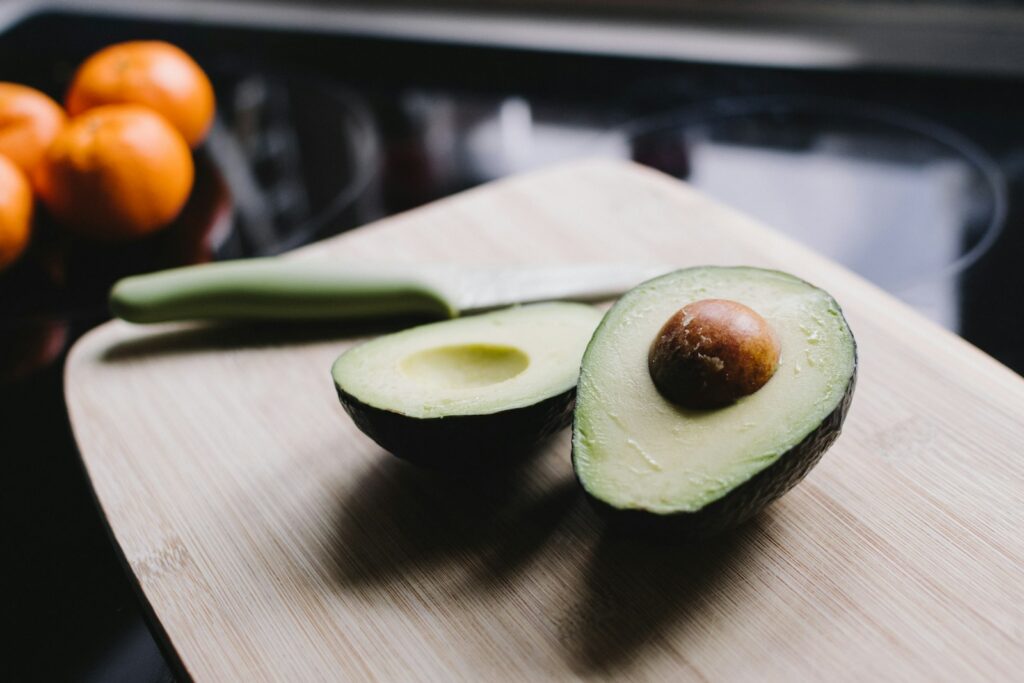
Foods like avocados, nuts, seeds, and olive oil help promote feelings of fullness.
Including healthy fats in meals may help reduce hunger and keep cravings under control between meals.
7. Sip Herbal Tea

A warm cup of herbal tea can be surprisingly effective when cravings hit.
In addition to helping with hydration, the ritual of making and drinking tea can provide a satisfying alternative to mindless snacking.
6. Slow Down and Chew Thoroughly

It takes time for your brain to register fullness.
Eating more slowly and chewing thoroughly can help you feel satisfied with less food and reduce the urge to keep eating.
5. Use Smaller Plates

Portion perception matters.
Research has shown that smaller plates can make servings appear larger, helping some people feel satisfied while naturally eating less.
4. Practice Mindful Eating

Instead of rushing through meals, focus on the flavors, textures, and aromas of your food.
Mindful eating helps increase satisfaction and makes it easier to recognize when you’ve had enough.
3. Eat More Fiber
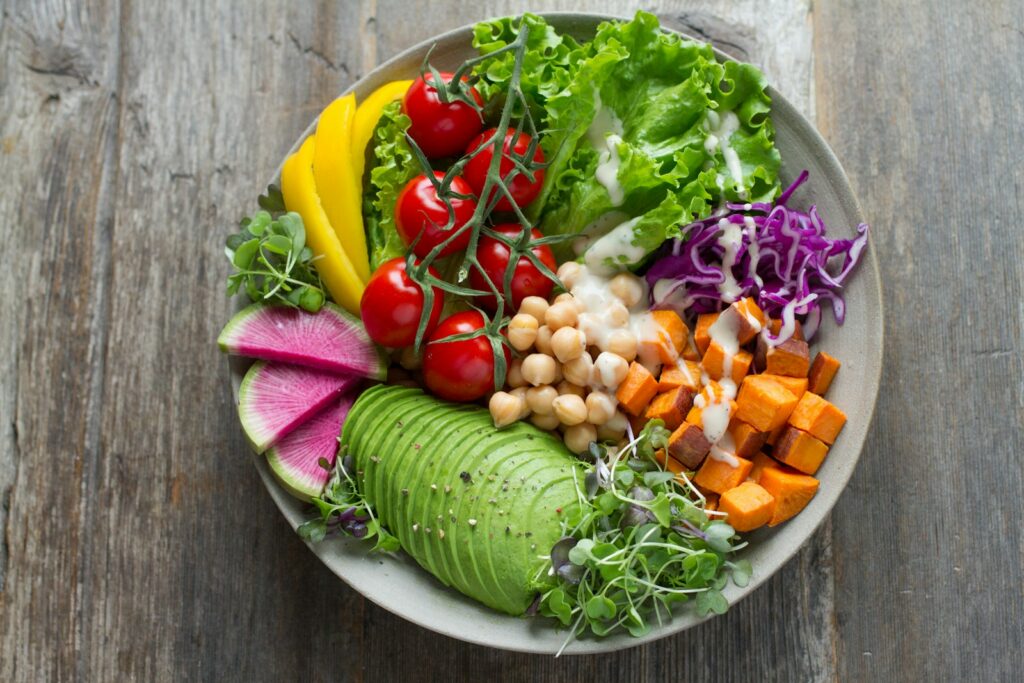
Fiber slows digestion and helps you stay full longer.
Foods like vegetables, fruits, beans, oats, and whole grains can help reduce hunger and limit cravings throughout the day.
2. Include Protein at Every Meal

Protein is one of the most filling nutrients you can eat.
Including foods like eggs, Greek yogurt, fish, poultry, tofu, or legumes at meals can help keep hunger under control for hours.
1. Drink Water Before You Eat

Sometimes thirst disguises itself as hunger.
Drinking a glass of water before meals or when a craving hits can help you determine whether you’re actually hungry and may reduce the amount you eat.
Read More:
- 10 Surprising Foods That Can Improve Your Digestion
- Why the Mediterranean Diet Keeps Winning (20 Big Reasons)
- 10 Vegan Dishes That Even Meat Lovers Will Like