Turkeys hold a special place in modern celebrations, especially during Thanksgiving. However, these birds have a rich history that dates back to ancient Maya civilization. In this culture, turkeys were not only a source of food but also held significant religious and social importance.
The Maya viewed turkeys as animals with spiritual and symbolic power, integrating them deeply into their cultural practices. Here are 12 fascinating facts about the role of turkeys in ancient Maya society.
12. Godlike Status in Maya Religion
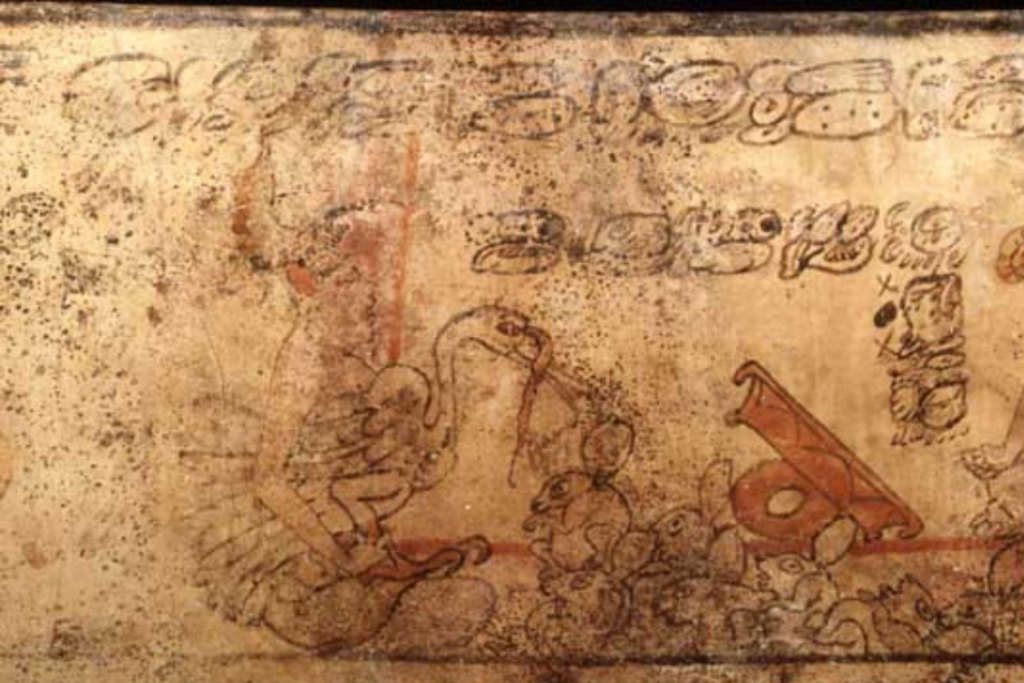
In ancient Maya religious imagery, turkeys were depicted as supernatural or godlike beings.
This portrayal underscores the spiritual significance of turkeys, elevating them beyond mere animals to symbols of divine power.
11. Symbols of Elite Power
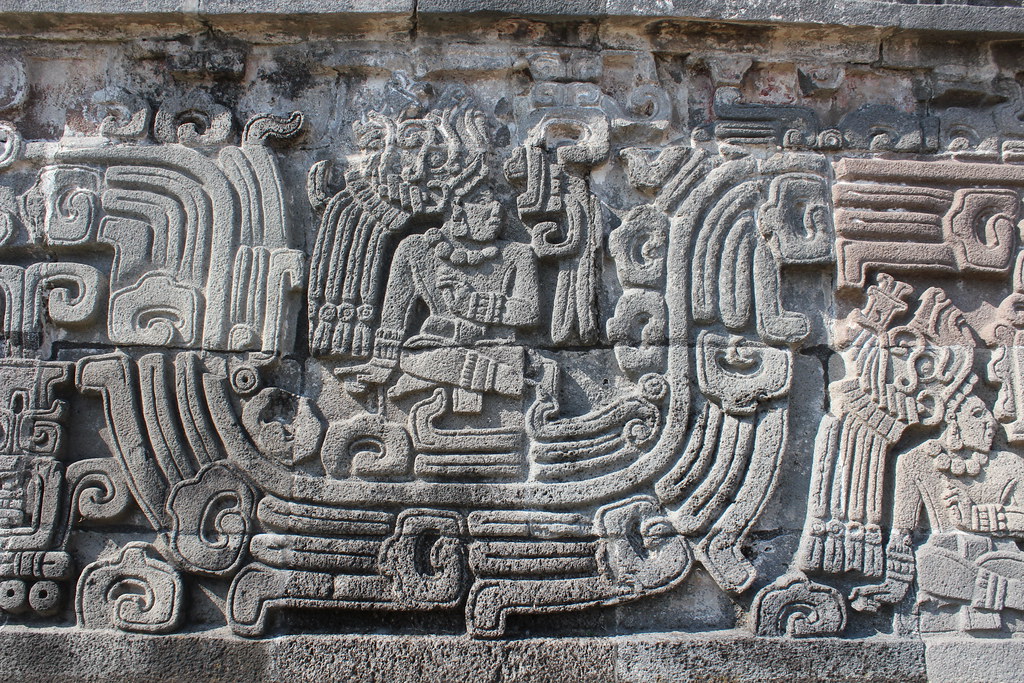
Turkeys were owned almost exclusively by the rich and powerful in Maya society.
These birds symbolized elite status and were a testament to the owner’s wealth and influence.
10. Early Domestication
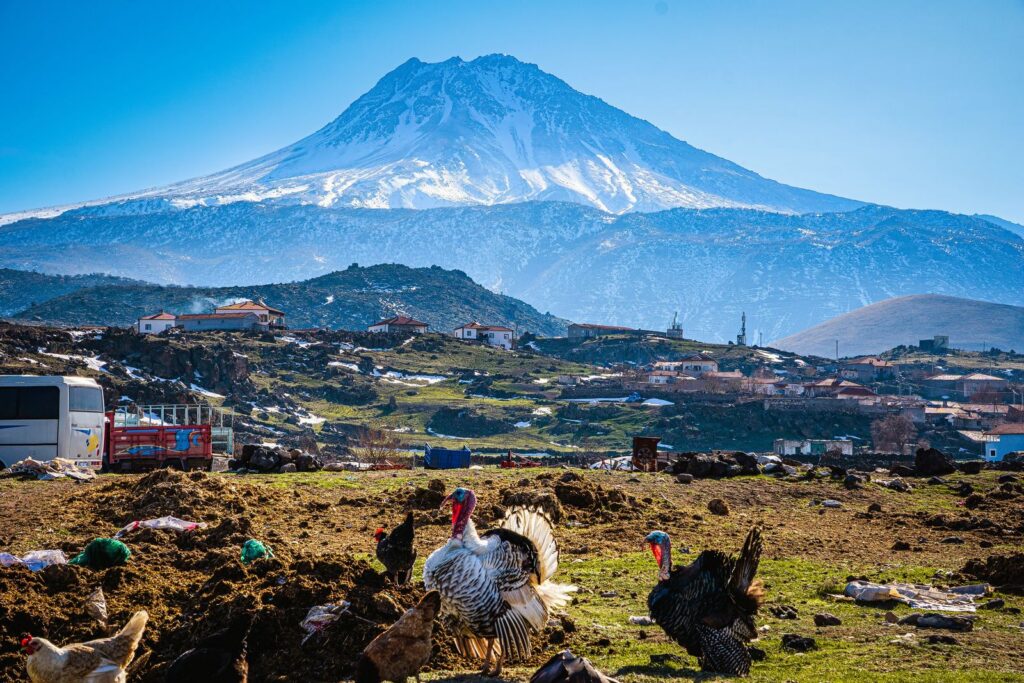
Evidence suggests the Maya were among the first to domesticate turkeys.
Archaeological findings from El Mirador indicate that turkeys were part of Mesoamerican captive rearing or domestication by around 300 B.C.
9. Imported from Mexico
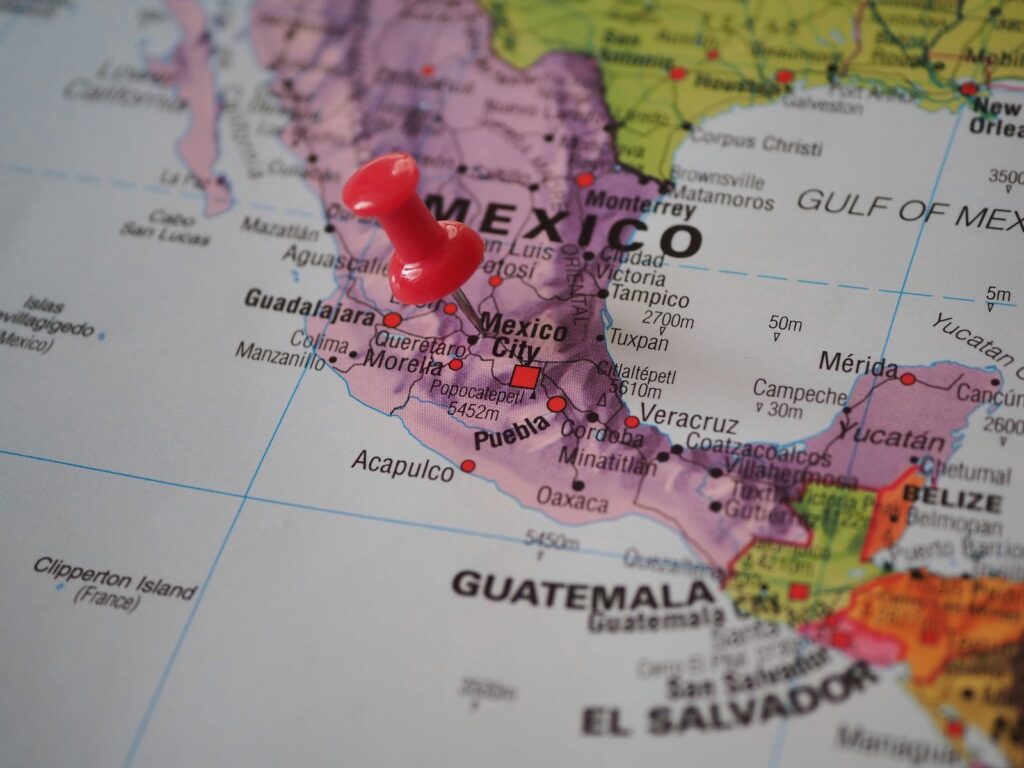
The Maya imported turkeys from Mexico, highlighting their trade connections.
This trade was vital for acquiring the northern turkey species that they valued for various purposes.
8. Revered Ocellated Turkeys
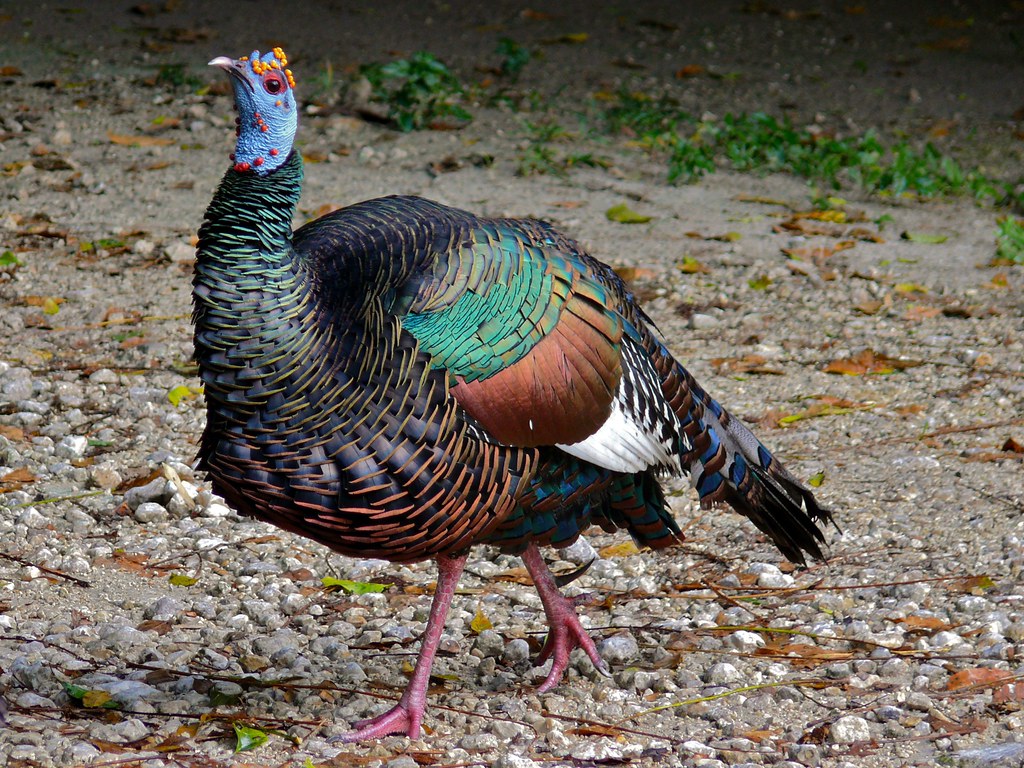
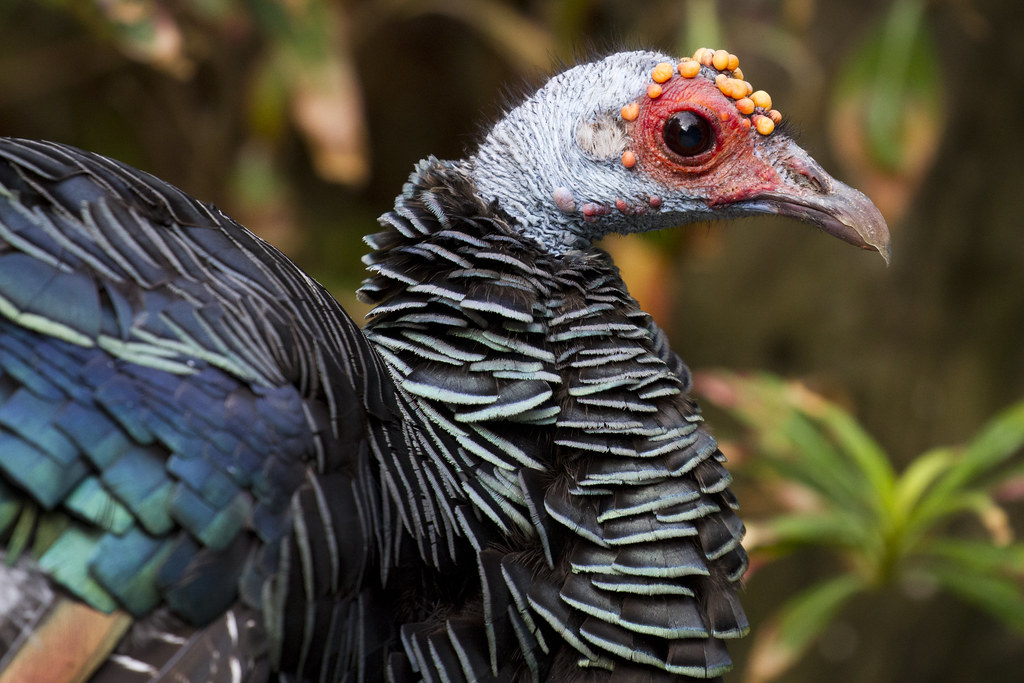
The ocellated turkey, native to the Maya region, was highly prized for its appearance.
These wild turkeys were admired for their colorful feathers, although archaeological evidence suggests they were not domesticated in the same way as Mexican turkeys.
7. Integral to Religious Rituals
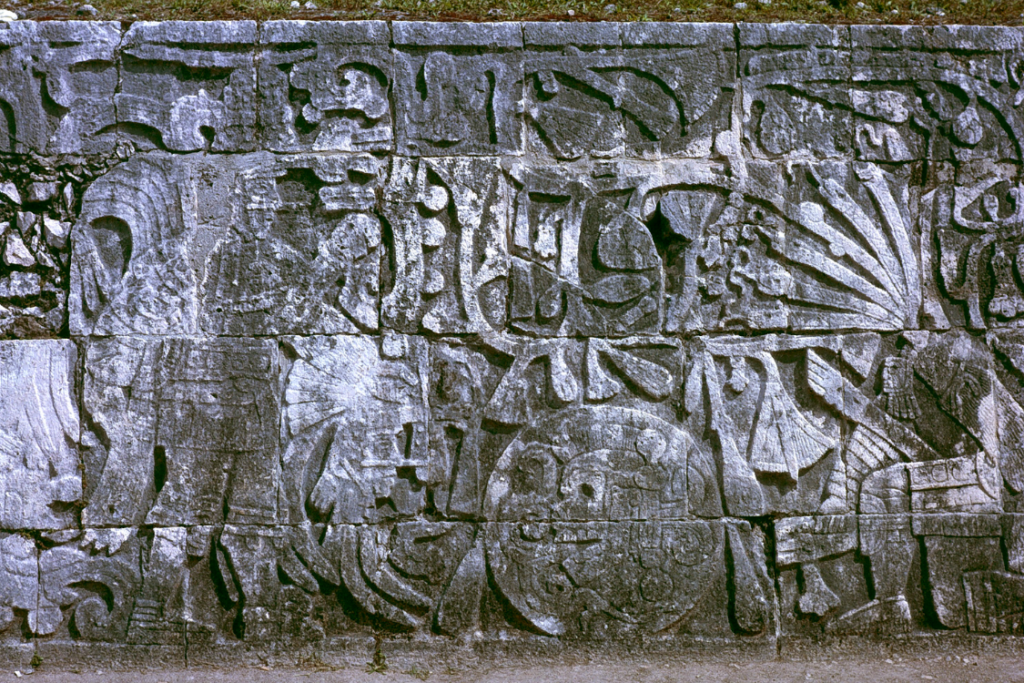
Turkeys played a crucial role in Maya religious ceremonies.
They were used as offerings and sacrifices, including during New Year rites associated with renewal and fertility.
6. Representations in Maya Art
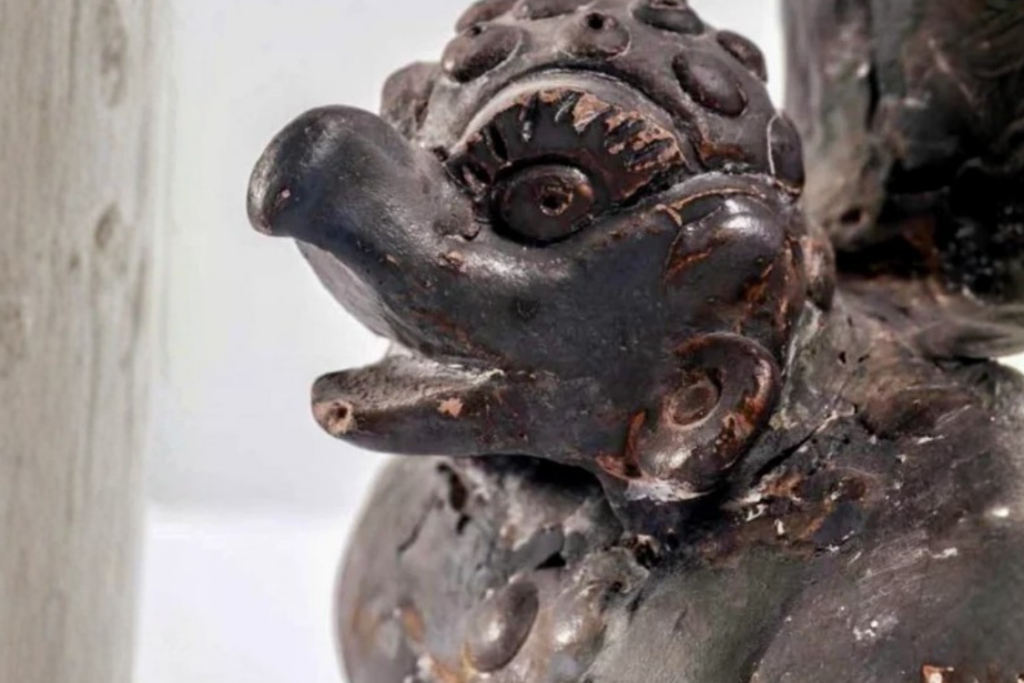
Maya art and codices feature turkeys, often depicted in ritual and supernatural contexts.
These depictions highlight the bird’s role as an offering and, in some traditions, a messenger of divine will.
5. Feathers as Status Symbols
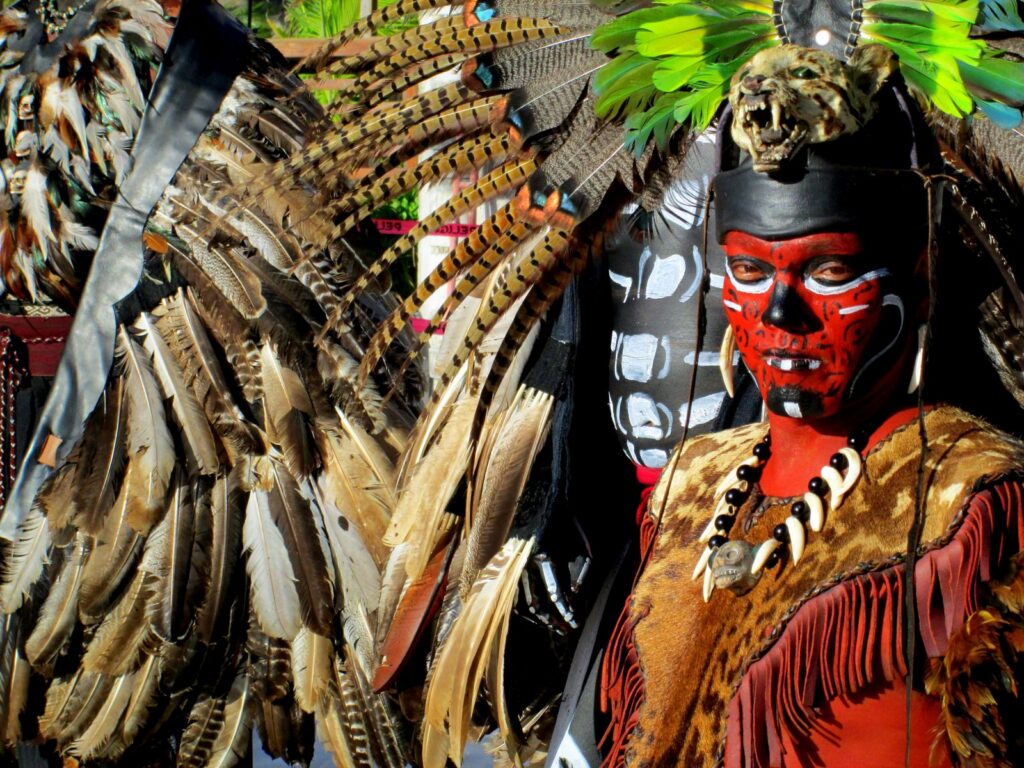
The colorful feathers of turkeys were used to signify status and power.
Rulers would use these feathers to create capes and other garments, showcasing their authority and wealth.
4. Turkeys as Sacrificial Victims
As sacrificial animals, turkeys were believed to communicate with the gods.
Their sacrifices were intended to appease and honor deities and ensure prosperity for the coming year.
3. Connection to Modern Turkeys
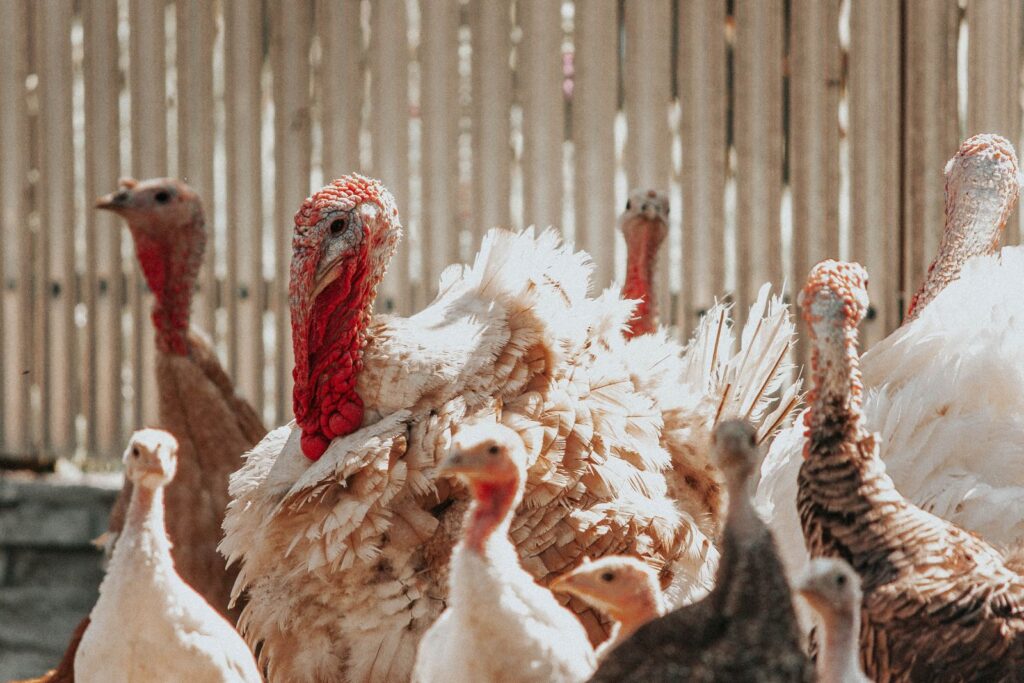
Today’s turkeys are descendants of those revered by the Maya.
Despite their transformation into a Thanksgiving staple, they carry a dignified legacy from their ancient ancestors.
2. Turkeys in Trade Networks
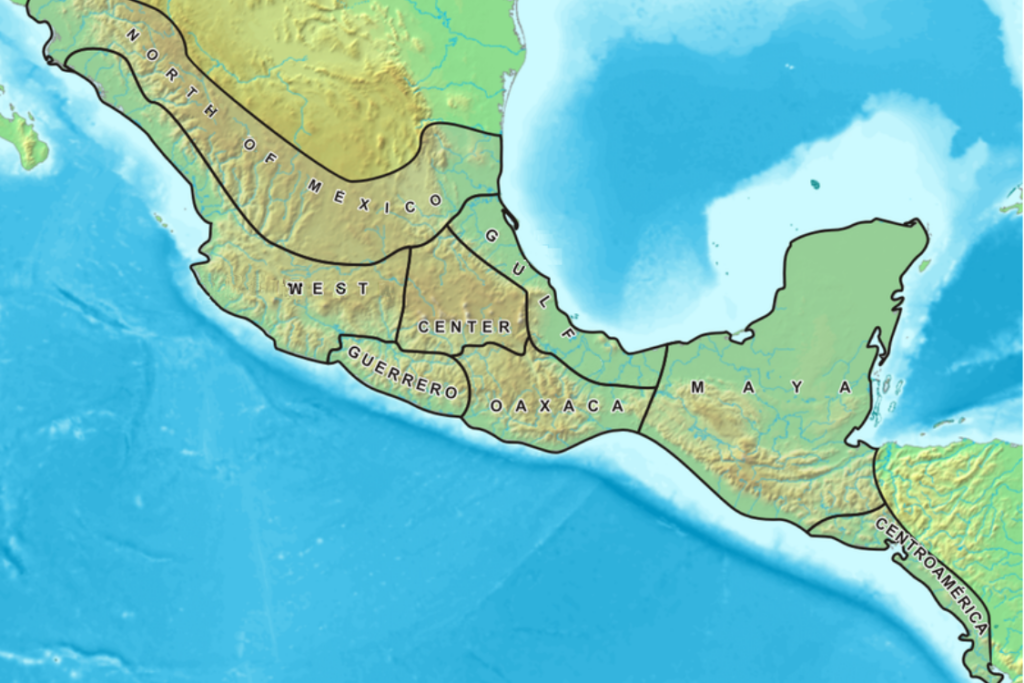
The presence of turkeys signified the Maya’s extensive trade networks.
These birds were not only traded for their meat but also for their feathers and symbolic value.
1. A Legacy of Worship and Utility
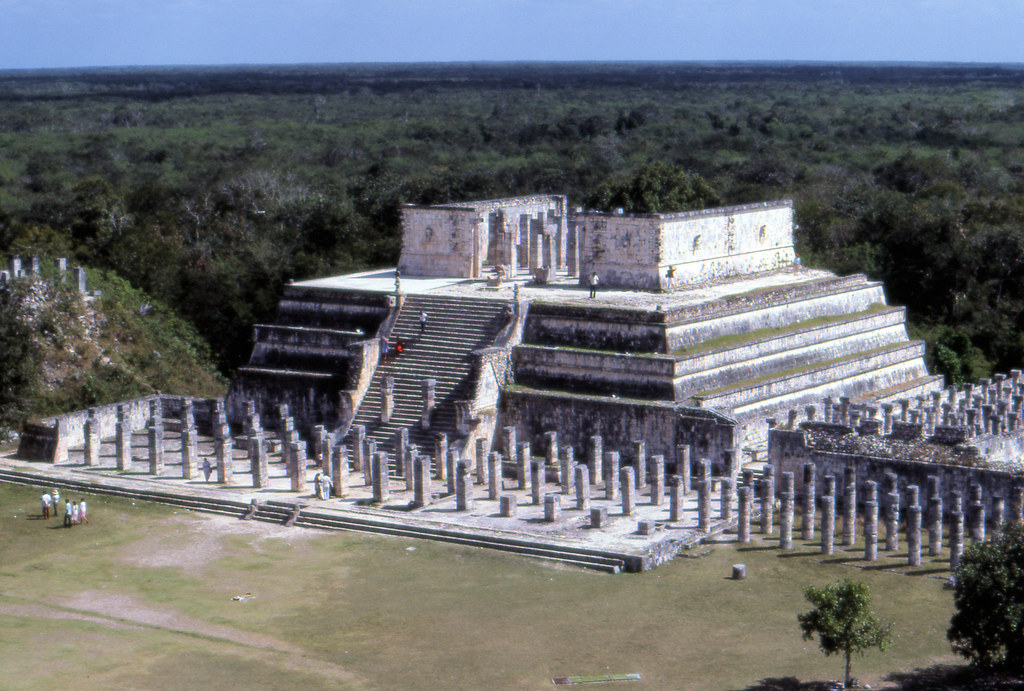
The Maya’s relationship with turkeys was one of reverence and practicality.
While they were a source of sustenance, turkeys also embodied spiritual and social significance, leaving a lasting impact on their culture.
Read More:
- 11 Fascinating Ways Cultures Celebrate the Summer Solstice
- 10 Foods Medieval People Ate That Would Surprise You
- 9 Intriguing Mysteries About Homer’s Existence