
Most movie-to-TV adaptations arrive with a built-in problem: audiences already have a version in their heads. Some shows never escape that comparison. Others use the original film as a starting point, then build richer characters, sharper worlds, or longer stories that the movie could not fully explore.
These 10 TV adaptations did more than survive the jump to the small screen. They became the version many people remember first.
10. M*A*S*H
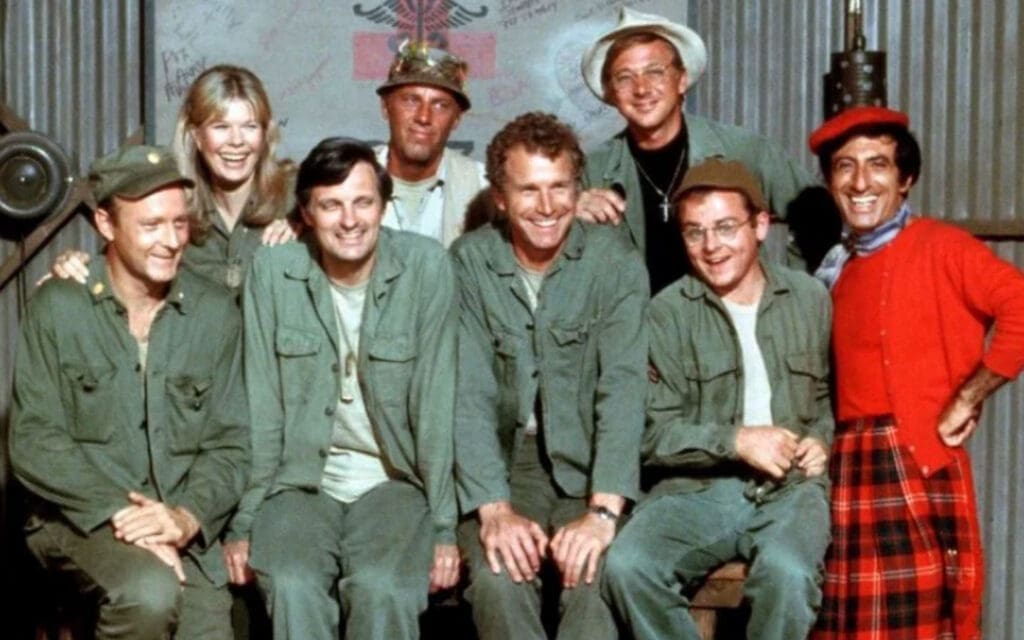
The 1970 M*A*S*H film was a sharp, dark military comedy from Robert Altman, but the TV series became the cultural giant. The show softened some of the movie’s rougher edges while giving viewers more time with Hawkeye, the 4077th, and the emotional toll of war.
It ran for 11 seasons and ended with one of the most-watched finales in TV history, which is a pretty strong way to step out from a movie’s shadow.
9. What We Do in the Shadows
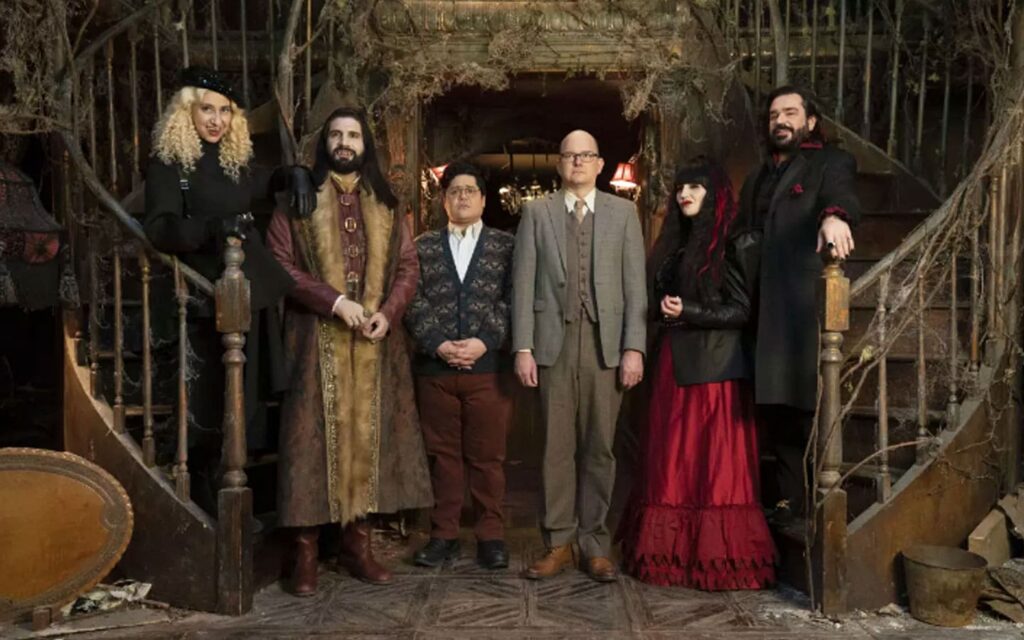
The 2014 What We Do in the Shadows movie was already a cult favorite, thanks to its deadpan vampire-roommate premise. The FX series took that idea and expanded it with new characters, bigger supernatural chaos, and a mockumentary rhythm that worked beautifully on television.
The show did not replace the film so much as prove the joke had far more blood in it. For once, immortality was actually useful.
8. Fargo
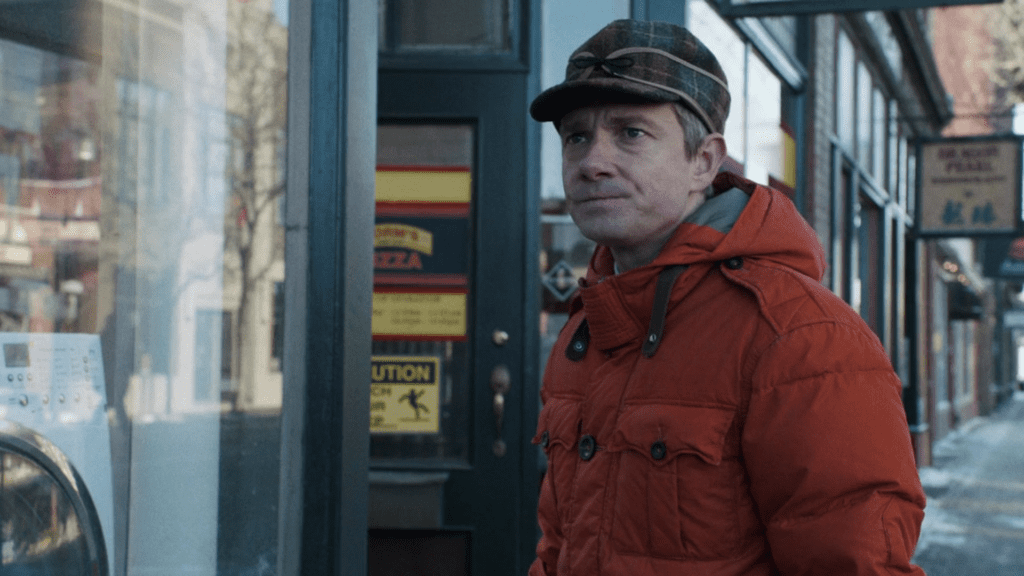
Turning Fargo into a TV show could have gone badly fast. The 1996 Coen brothers film had such a specific tone that copying it too closely would have felt pointless. Instead, the FX series kept the snowy crime, strange humor, and moral rot while telling new stories each season.
It became one of the rare adaptations that respected the original without acting like it was trapped inside it.
7. Buffy the Vampire Slayer
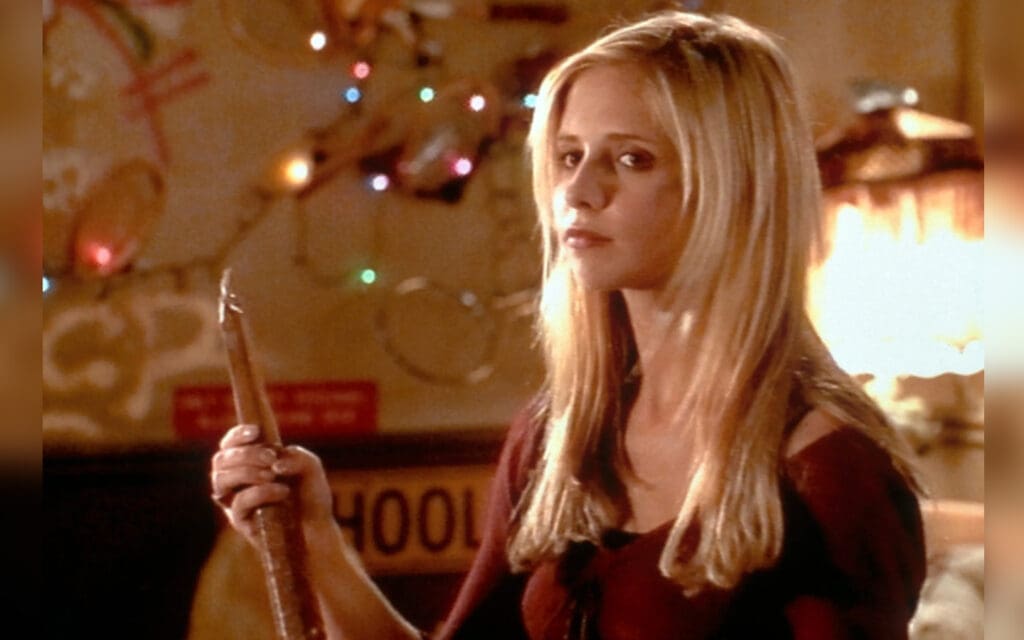
The 1992 Buffy the Vampire Slayer movie had a clever premise, but the TV show became the real legacy. Joss Whedon’s series gave Buffy more emotional weight, darker mythology, and a sharper mix of horror, comedy, and teen drama.
Sarah Michelle Gellar’s version turned the character into a pop-culture icon. The movie introduced the idea, but the show made it matter.
6. Parenthood
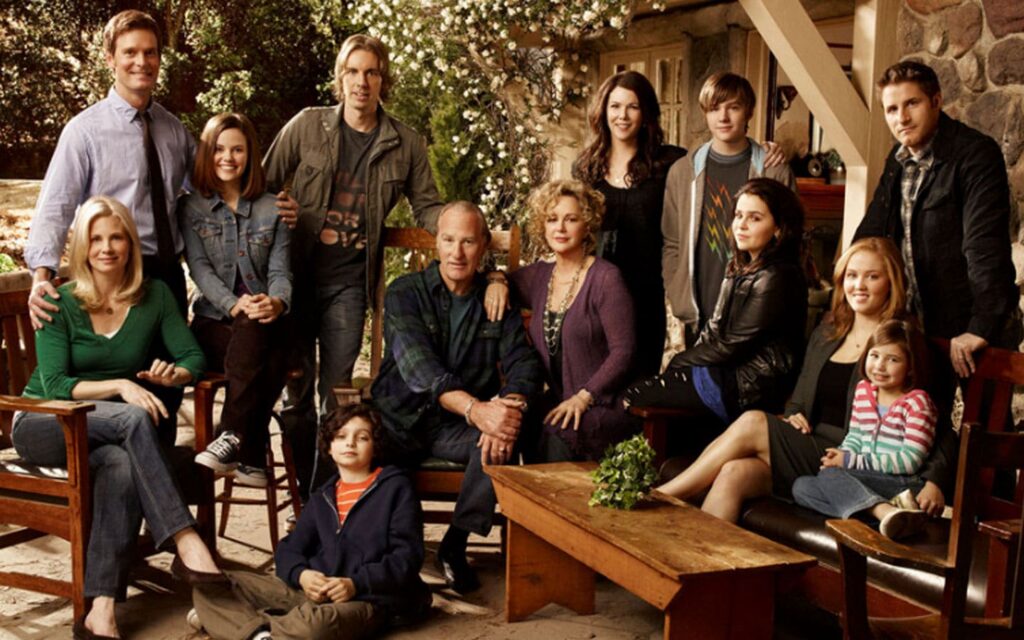
The 1989 Parenthood movie had a strong cast and a relatable family premise, but the 2010 TV version had the space to make those relationships deeper.
Across six seasons, the NBC series turned everyday family stress into warm, grounded drama without needing constant shock value. It worked because parenthood is not one big story. It is hundreds of small ones, and television was the better format for that.
5. Andor
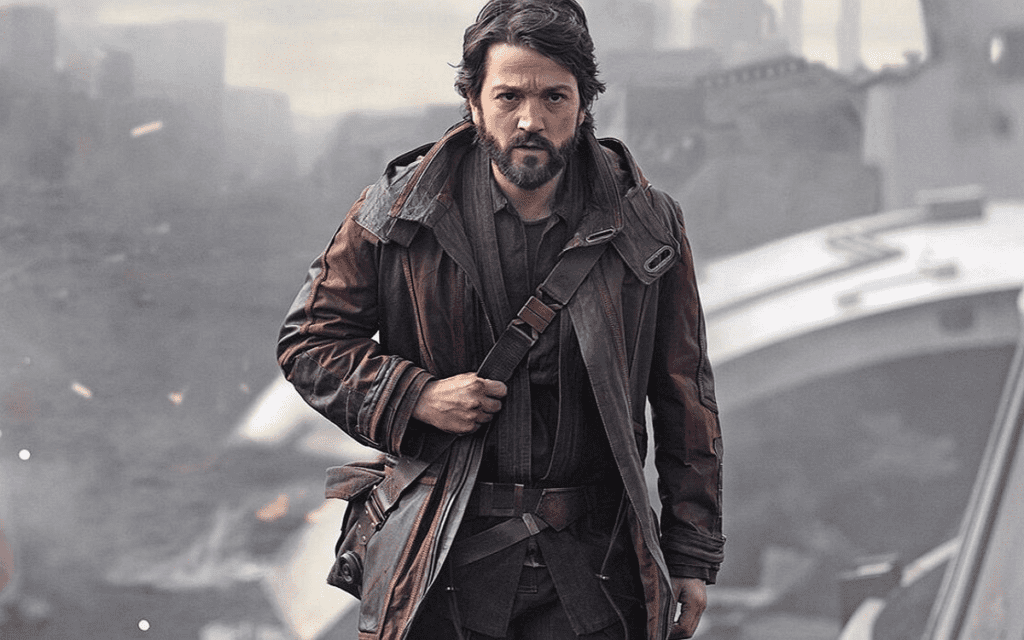
Andor technically spins out of Rogue One, but it quickly became more than a supporting chapter in the Star Wars universe. The series takes Cassian Andor’s story and builds a tense, politically charged look at rebellion, surveillance, sacrifice, and fear.
It feels less like franchise maintenance and more like a serious drama that happens to live inside Star Wars. That is rare, and frankly, the galaxy needed it.
4. Stargate SG-1

The 1994 Stargate movie had a strong sci-fi hook: an ancient portal that lets humans travel across the universe. Stargate SG-1 took that premise and built a long-running franchise around it, adding teams, alien worlds, politics, mythology, and years of serialized adventure.
The show eventually became the version fans treated as the real foundation. The movie opened the gate, but TV kept walking through it.
3. Teen Wolf
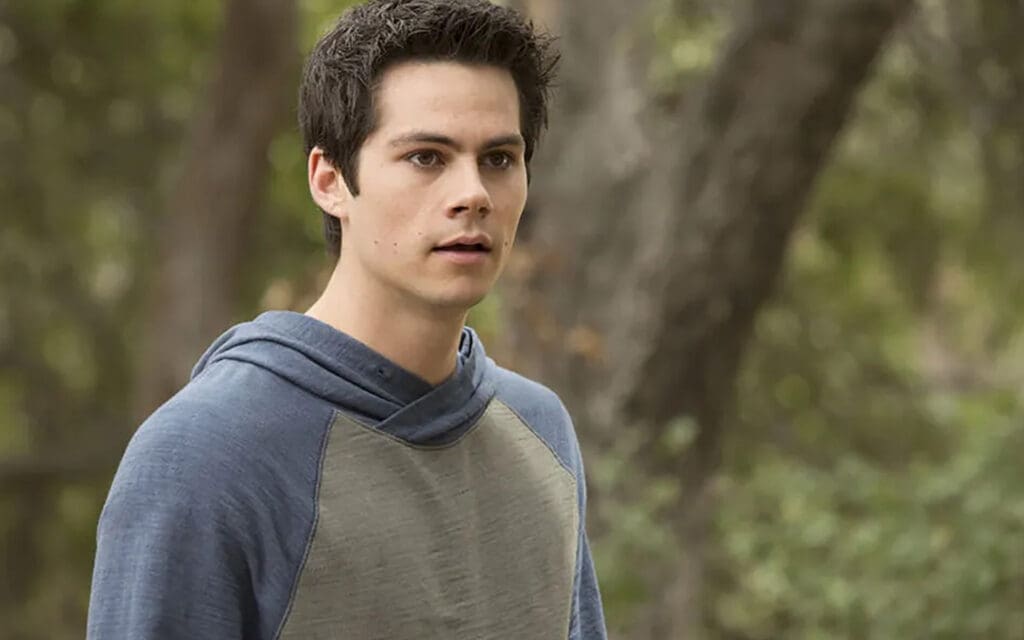
The original Teen Wolf movie was a goofy 1980s comedy about a teenager dealing with werewolf problems and high school popularity. The MTV series took the same basic concept and turned it into a darker supernatural drama with romance, mythology, and a much bigger emotional scale. It barely resembled the film by the end, but that was part of its success.
2. Cobra Kai
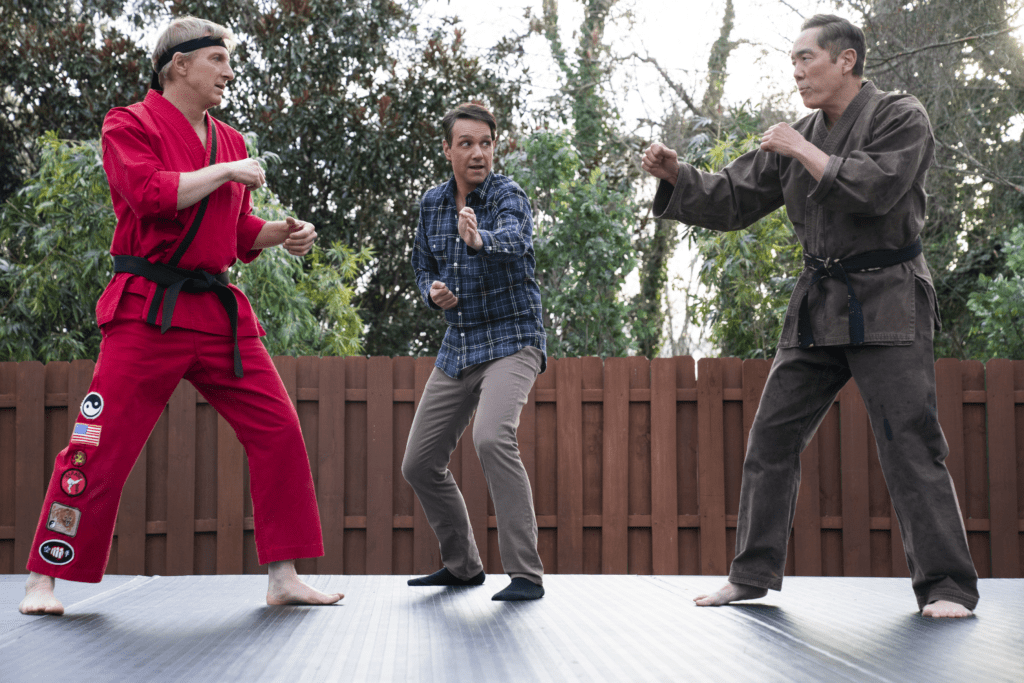
Cobra Kai had every reason to feel like a nostalgia cash-in, but it turned out to be much smarter than that. By shifting focus to Johnny Lawrence, the series reexamined The Karate Kid from a new angle while still respecting Daniel LaRusso’s legacy.
The result was funny, self-aware, and surprisingly emotional. It did not just revive an old rivalry. It made that rivalry feel fresh again.
1. Interview with the Vampire
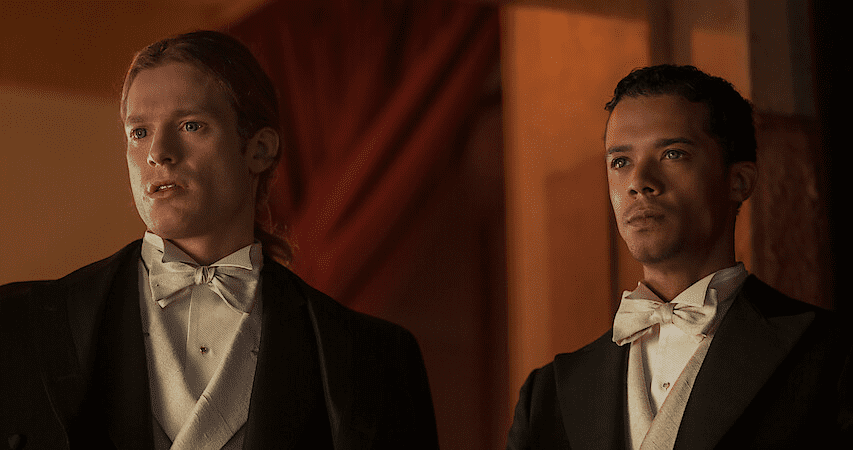
The 1994 Interview with the Vampire movie had star power, atmosphere, and a lasting place in gothic horror. The TV series, though, has more room to explore Anne Rice’s characters, their relationships, and the queerness that was more restrained in the film. Its slower pace lets the story feel more intimate and emotionally complicated.
That extra room is exactly why the show stands out. The movie made the material famous for a wide audience, but the series has the space to dig into what made the story so haunting in the first place.
Read More:
- 10 Athletes Who Made the Leap to Hollywood
- 15 90s TV Catchphrases That Live Rent-Free in Our Heads
- 15 Cartoons From the 80s Gen X Still Has Memorized