A great music video can do more than promote a single. It can turn a song into an event, give an artist a new identity, or create images that stick around long after the chorus fades.
From early promo clips to MTV-defining blockbusters and viral internet hits, these 10 music videos helped shape what the format could be.
10. “Bohemian Rhapsody” by Queen (1975)
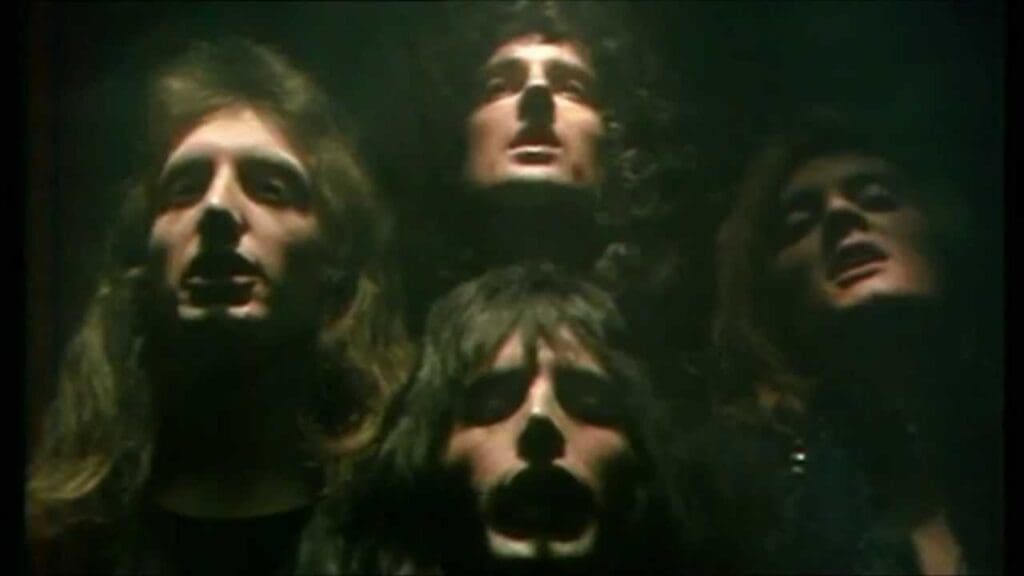
Queen’s “Bohemian Rhapsody” arrived before MTV made music videos essential, but it helped create the template. The dramatic lighting, close-up faces, and theatrical staging matched the song’s operatic structure without overexplaining it.
The video looks simple compared with later productions, but that eerie four-head image became instantly recognizable.
9. “Ashes to Ashes” by David Bowie (1980)
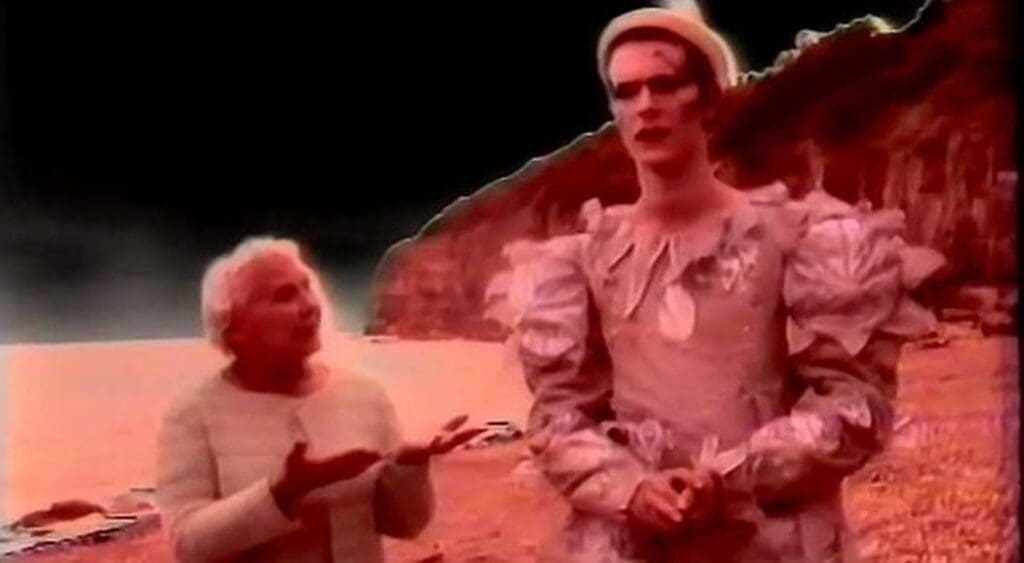
David Bowie treated music videos like performance art, and “Ashes to Ashes” proved how far he could push the format. Its surreal costumes, beach scenes, and dreamlike editing made Bowie look like an artist building his own visual language. The budget was huge for its time, but the imagination is what still stands out.
8. “Here It Goes Again” by OK Go (2006)
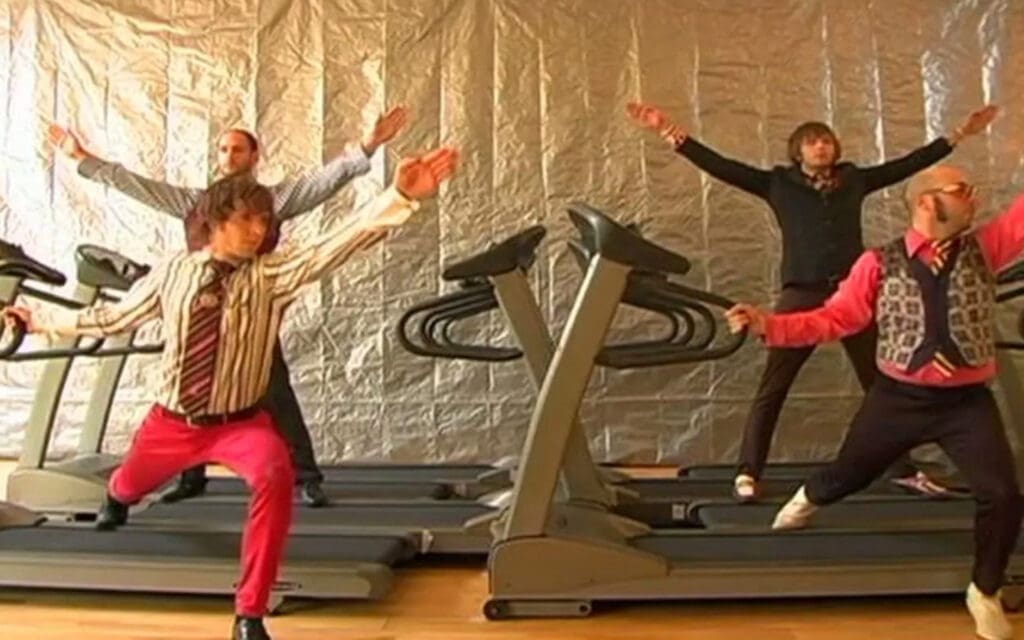
OK Go showed a video did not need a giant budget to become unforgettable. “Here It Goes Again” uses one simple idea: the band performing tight choreography on treadmills.
The timing, commitment, and one-take feel made it addictive to watch. It became a viral hit because the concept was easy to understand and hard to pull off.
7. “Smells Like Teen Spirit” by Nirvana (1991)
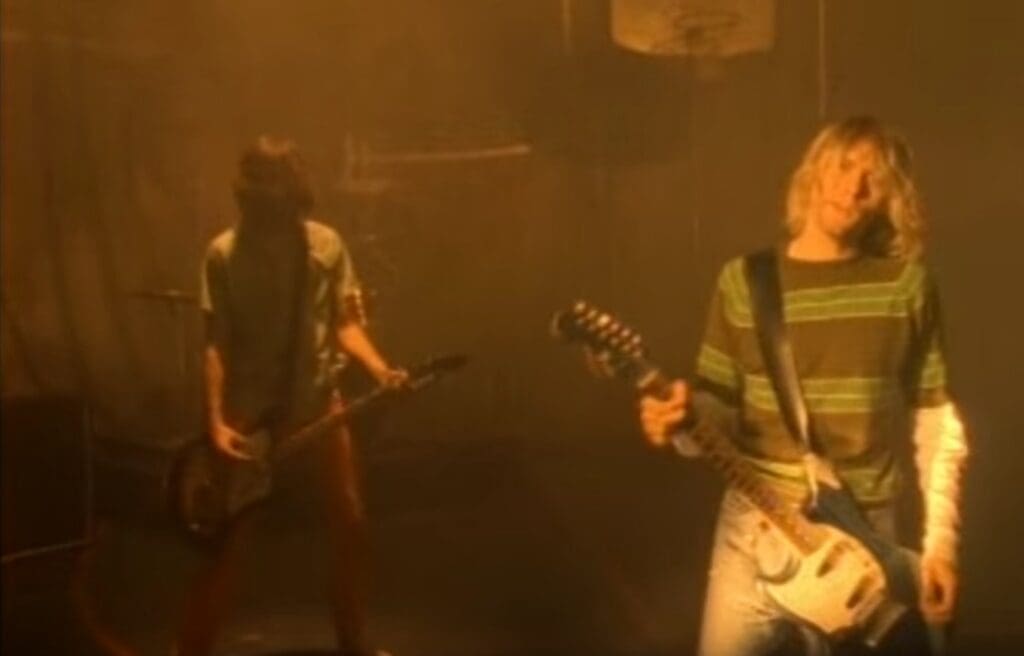
“Smells Like Teen Spirit” looked rough by design. Set in a dim high school gym, the video captured the frustration and boredom that made Nirvana feel like the opposite of glossy 1980s rock. The cheerleaders, smoke, restless crowd, and messy performance gave grunge a visual identity almost overnight.
6. “Nuthin’ but a ‘G’ Thang” by Dr. Dre feat. Snoop Dogg (1992)
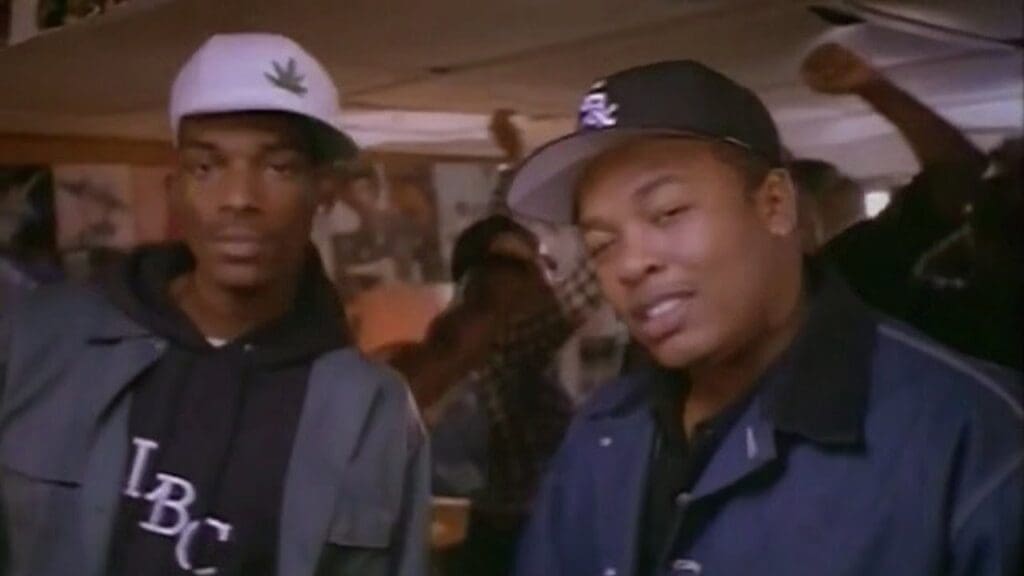
“Nuthin’ but a ‘G’ Thang” helped define the look of West Coast hip-hop in the early 1990s. The house-party setting, lowriders, sunshine, and laid-back confidence made Dr. Dre’s sound feel like a full world. It also introduced many mainstream viewers to Snoop Dogg’s charisma before he became a star on his own.
5. “Money for Nothing” by Dire Straits (1985)
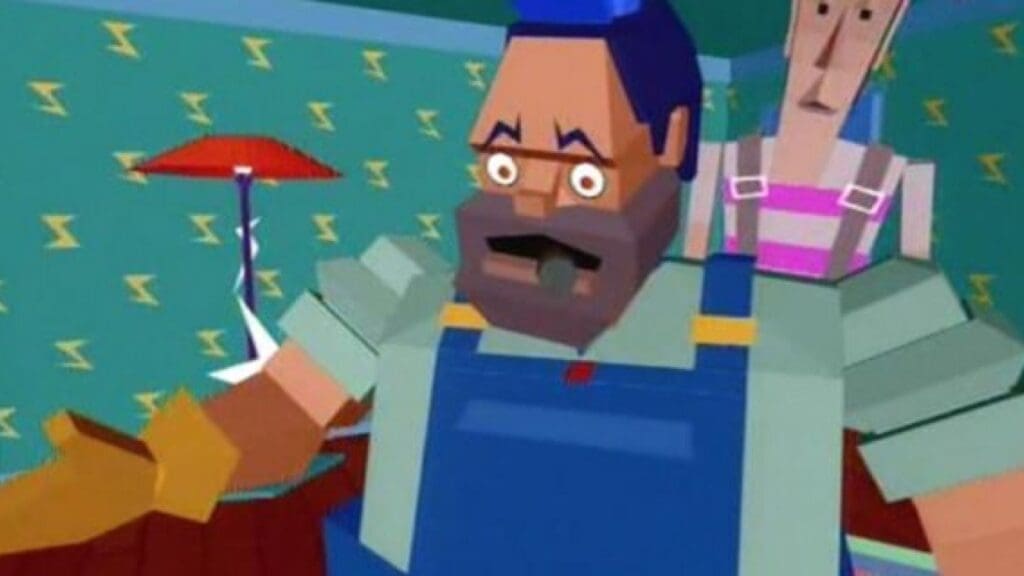
“Money for Nothing” is a music video about music videos, already a very 1980s idea. Its blocky computer animation brought the song’s working-class narrators into a strange digital space.
The “I want my MTV” hook also turned the network into part of the song’s identity. Some parts have aged better than others, but visually, it pushed the format forward.
4. “Take On Me” by A-ha (1985)
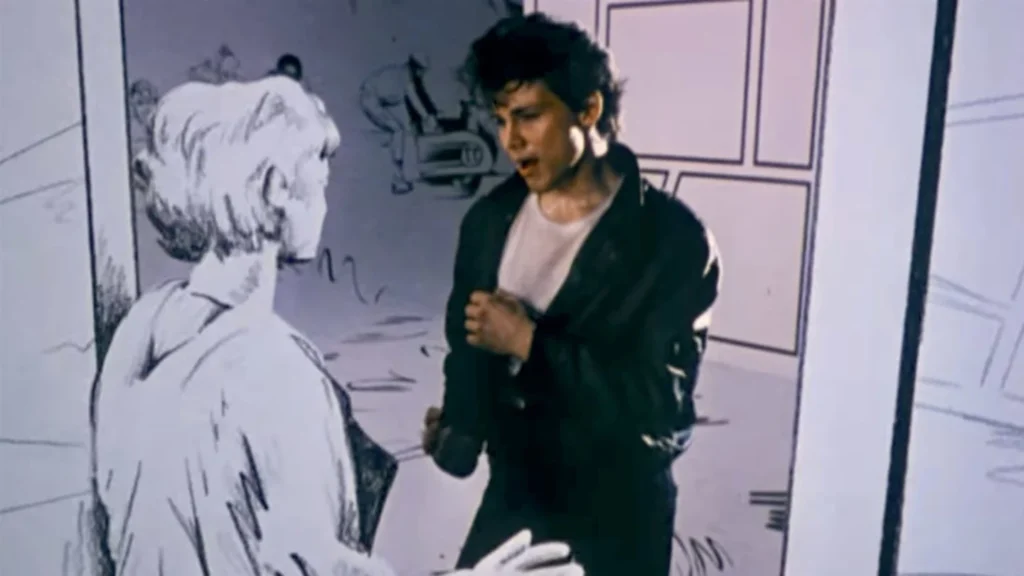
“Take On Me” remains one of the clearest examples of a video making a song bigger. The mix of live action and pencil-sketch animation created a romantic comic-book fantasy that still feels charming. A woman pulled from a café into a drawn world was a simple hook, but the execution made it feel magical.
3. “Sledgehammer” by Peter Gabriel (1986)
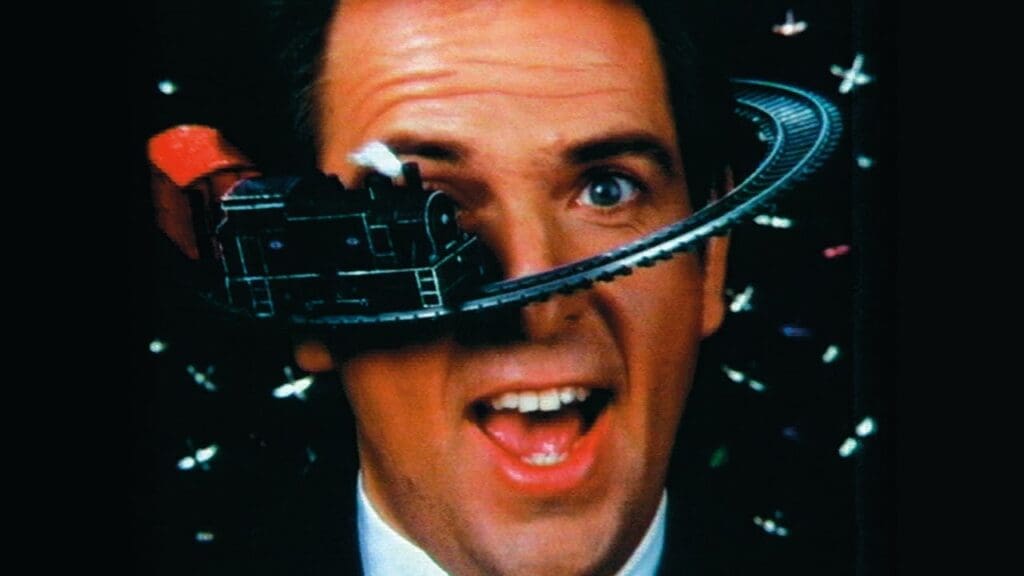
Peter Gabriel’s “Sledgehammer” turned stop-motion animation into pop spectacle. The video used claymation, pixelation, dancing fruit, shifting faces, and visual tricks that made every second feel alive.
Gabriel did not just perform in front of the camera. He became part of the animation, helping make the clip one of the MTV era’s most celebrated videos.
2. “Thriller” by Michael Jackson (1983)
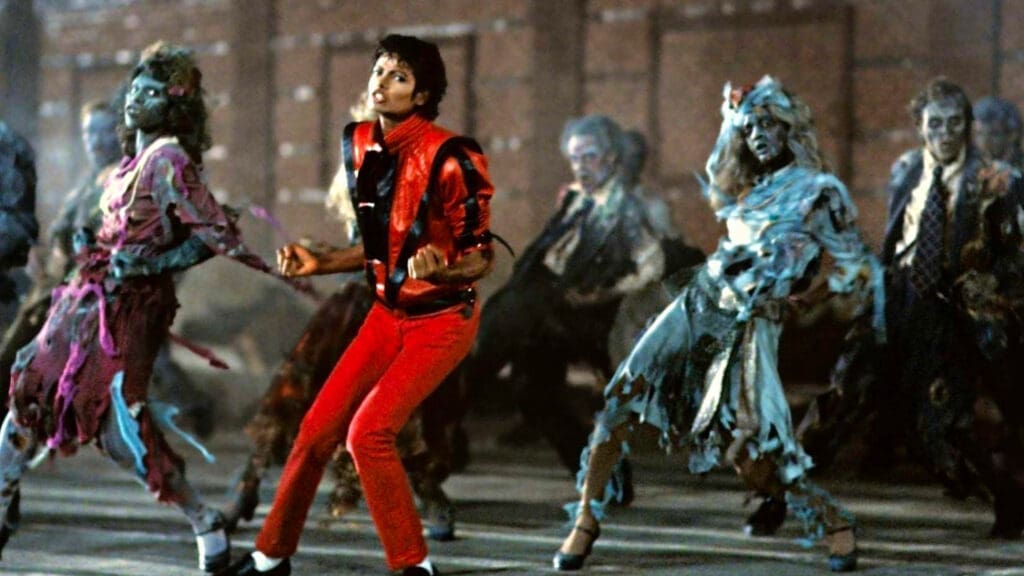
“Thriller” changed the scale of music videos. Michael Jackson and director John Landis turned a single into a short horror film with zombies, choreography, makeup effects, and a story built around the song. The video did not just promote the track. It became an event people watched on purpose.
1. “Video Killed the Radio Star” by The Buggles (1981)
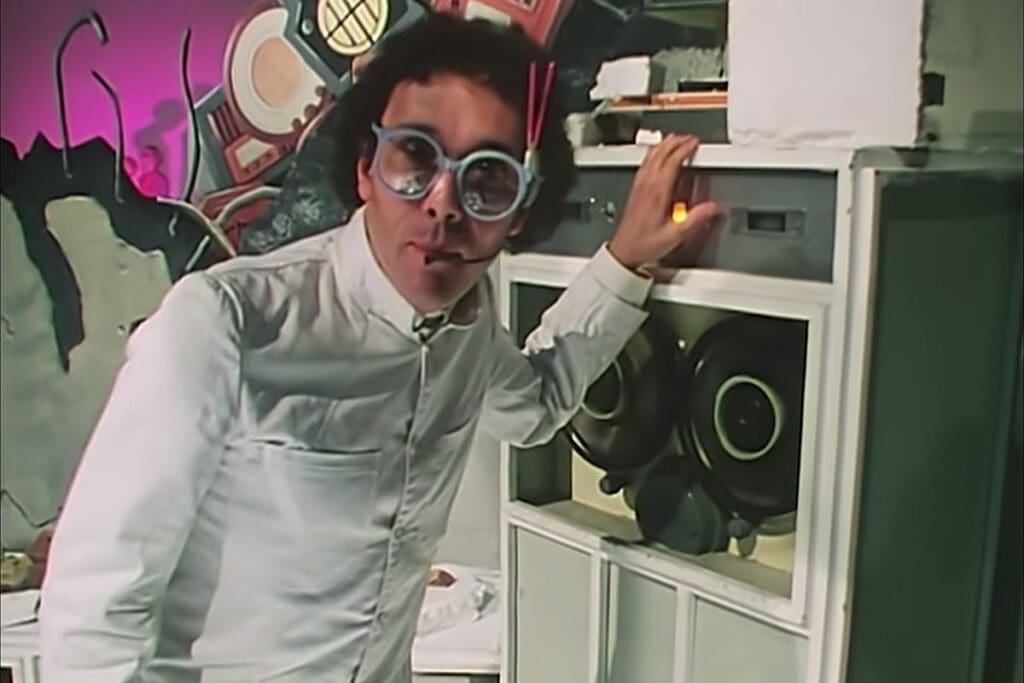
“Video Killed the Radio Star” earns its place because of what it represented. As the first video played on MTV, it marked the start of an era where image, style, and television exposure could shape a song’s success. The clip itself is quirky and very much of its time, but its timing made it historic.
The title became more than clever. Once MTV arrived, music videos became part of how artists built careers, sold singles, and stayed visible. “Video Killed the Radio Star” did not just predict that shift. It helped announce it.
Read More:
- 15 90s TV Catchphrases That Live Rent-Free in Our Heads
- 10 Classic Arcades Every ’80s and ’90s Kid Remembers
- 15 Cartoons From the 80s Gen X Still Has Memorized