In business, fortune often favors the bold. But sometimes, bold turns into reckless.
History is filled with companies that looked unstoppable right up until the moment they weren’t. Some ignored changing technology. Others chased hype, overspent, expanded too quickly, or convinced themselves they were too big to fail.
Here are 20 companies that made enormous bets—and paid a devastating price when those bets didn’t work out.
20. Juicero

The Silicon Valley startup raised more than $100 million to sell a Wi-Fi-connected juicer that squeezed proprietary juice packets.
There was just one problem: people quickly discovered they could squeeze the packets by hand just as effectively. The expensive gadget became a symbol of peak tech-industry excess.
19. Beepi
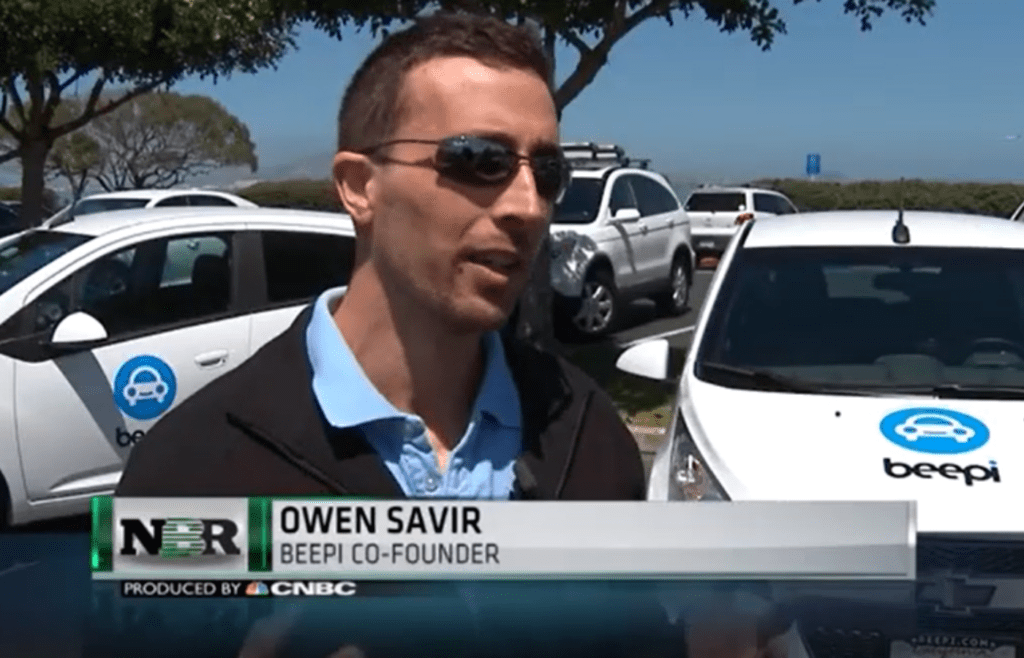
Beepi promised to revolutionize used-car sales through a fully online platform.
Investors poured hundreds of millions into the company, but rapid expansion, high operating costs, and unrealistic growth expectations eventually drove the startup off a financial cliff.
18. Quibi

Founded by entertainment veterans and backed by nearly $2 billion in funding, Quibi believed consumers wanted premium short-form video content designed exclusively for smartphones.
Instead, viewers largely ignored it. Less than a year after launch, the company shut down.
17. MoviePass
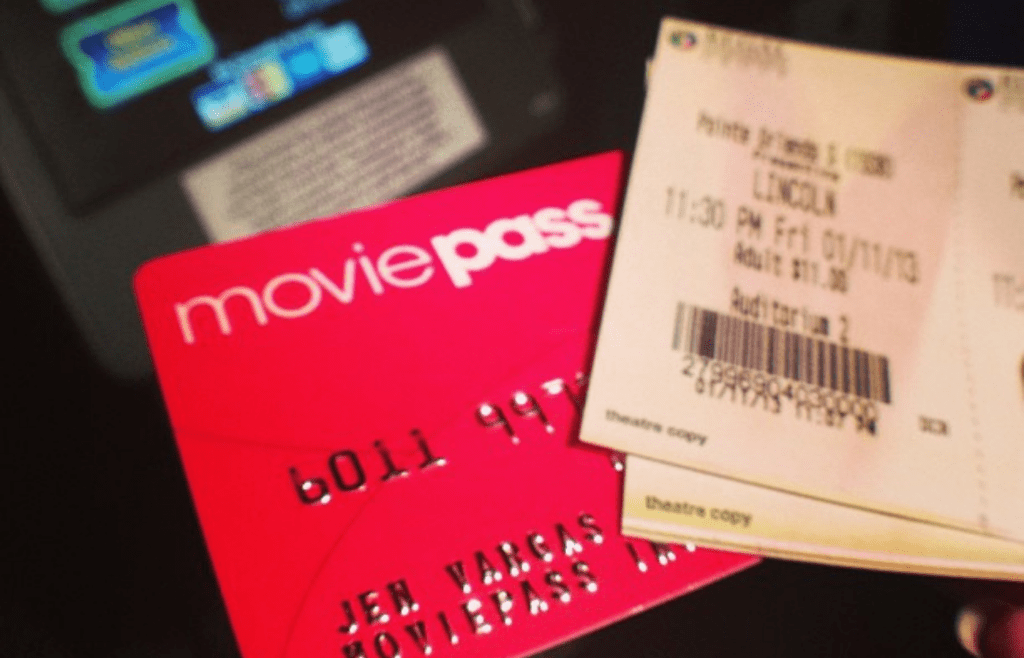
Unlimited movie tickets for a low monthly fee sounded like every movie lover’s dream.
Unfortunately, it was also a nightmare business model. The company was paying full ticket prices while collecting a fraction of the revenue, burning through cash at an astonishing rate.
16. Vine

Before TikTok, there was Vine.
The six-second video platform helped launch internet celebrities and defined online culture for years. But its parent company failed to invest in creators or evolve the platform, allowing competitors to take over.
15. Pets.com
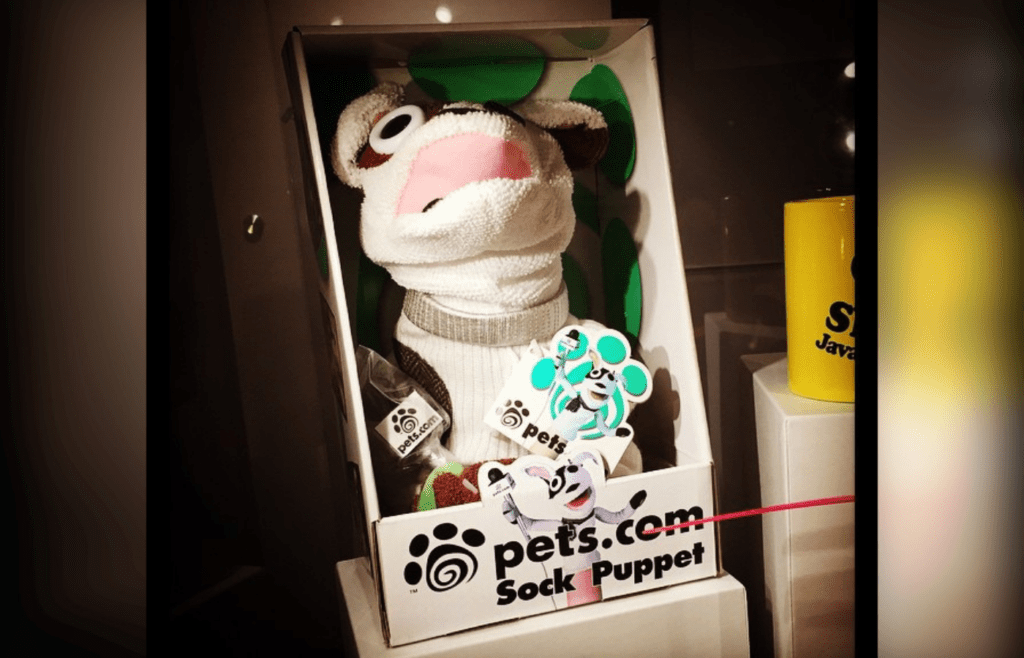
Few companies symbolize the dot-com bubble quite like Pets.com.
Armed with a famous sock puppet mascot and a Super Bowl commercial, the company spent aggressively before proving it had a sustainable business model. It collapsed less than a year after going public.
14. Jawbone

Once one of the hottest names in wearable technology, Jawbone competed directly with companies like Fitbit and Apple.
Product issues, legal disputes, and mounting competition eventually sank the company despite hundreds of millions in funding.
13. RadioShack

RadioShack once seemed perfectly positioned for the technology boom.
Instead, it struggled to define its purpose as consumer electronics evolved. The retailer became increasingly irrelevant while competitors captured the markets it once dominated.
12. Borders
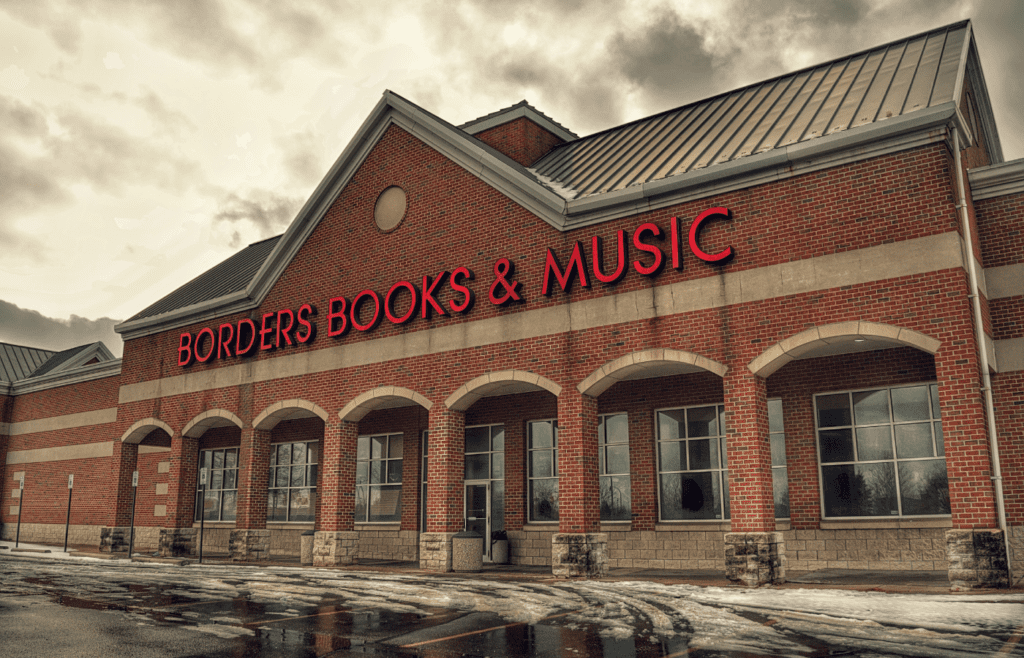
Borders helped define the modern bookstore experience.
But while competitors embraced e-commerce and digital books, Borders remained heavily invested in physical stores. By the time it tried to catch up, the market had already moved on.
11. Pan Am

For decades, Pan Am represented the glamour of international air travel.
Rising fuel costs, increased competition, deregulation, and operational challenges eventually grounded one of the most recognizable airline brands in history.
10. Sears
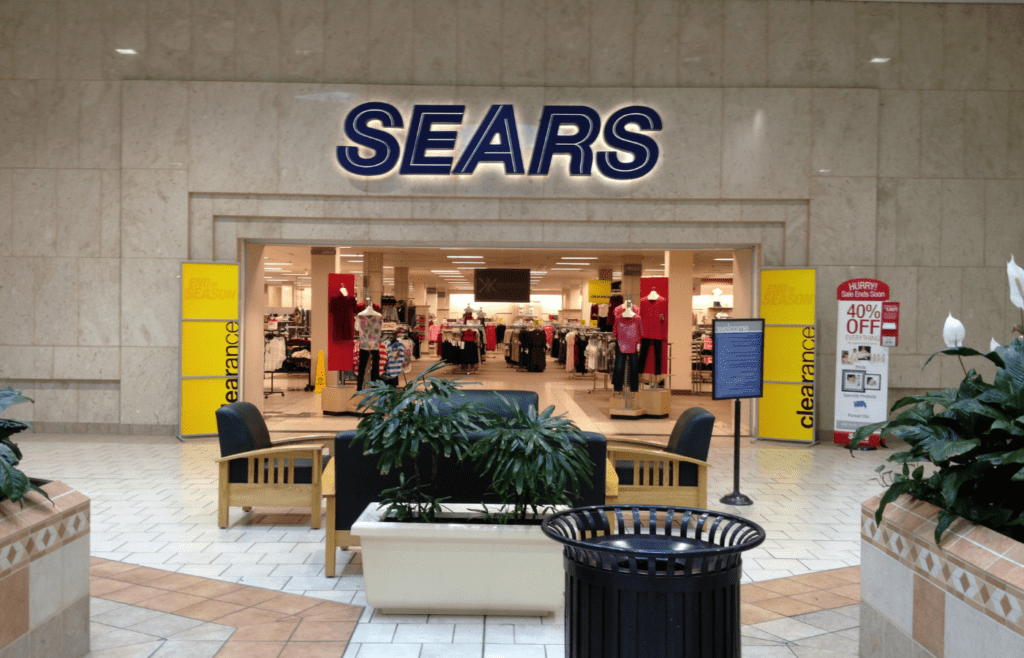
Sears practically invented modern retail.
It dominated mail-order shopping, department stores, and home services long before e-commerce existed. Yet despite having every advantage, the company failed to adapt to changing consumer habits and slowly faded into irrelevance.
9. Toys “R” Us
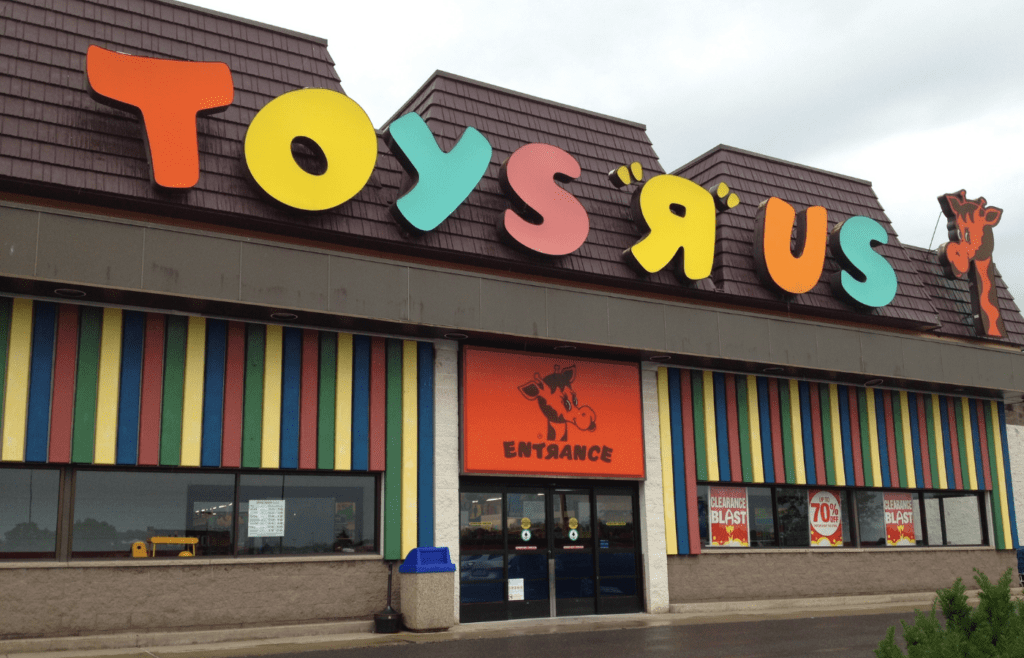
The toy giant was once a destination for generations of children.
But years of debt, increasing online competition, and changing shopping habits left the company struggling to keep up. Its bankruptcy became one of retail’s most memorable collapses.
8. BlackBerry
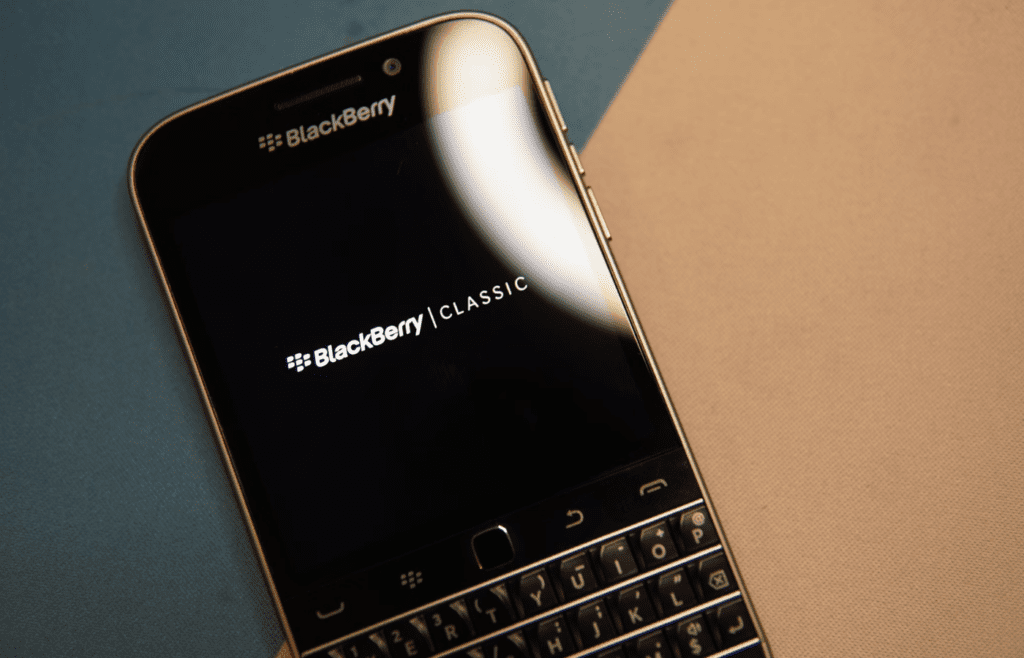
There was a time when BlackBerry practically owned the smartphone market.
Executives believed customers would never abandon physical keyboards and secure messaging devices. Then the iPhone arrived and changed everything.
7. Kodak
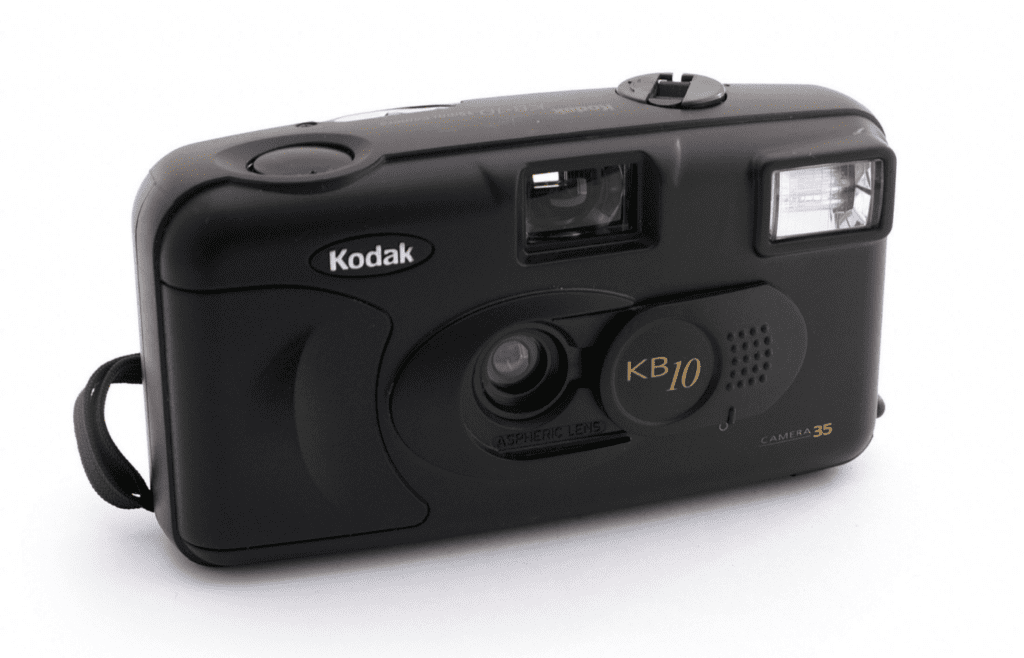
Kodak’s downfall remains one of the most famous business mistakes ever.
Ironically, Kodak engineers invented the digital camera. Instead of embracing the future, company leaders worried digital photography would hurt film sales and delayed the transition until it was too late.
6. WeWork
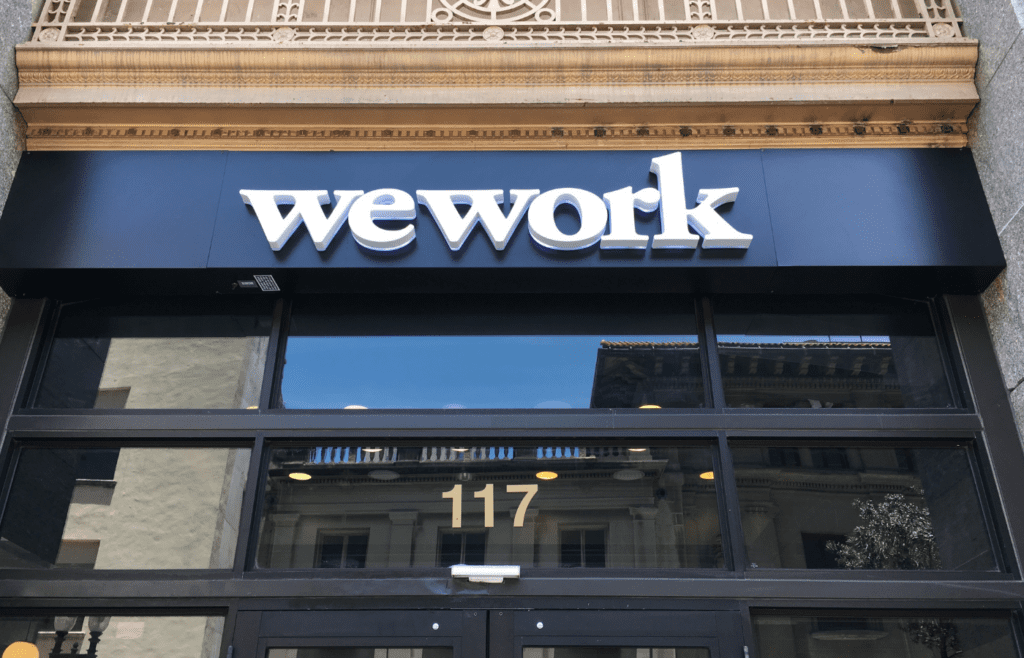
WeWork transformed shared office space into one of the hottest stories in Silicon Valley.
At its peak, the company was valued at nearly $47 billion. But failed governance, questionable financials, and unrealistic growth projections led to a spectacular collapse and eventual bankruptcy filing.
5. Blockbuster

Few missed opportunities are as famous as Blockbuster’s decision to pass on acquiring Netflix.
The video rental giant believed physical stores would remain dominant. Streaming proved otherwise.
4. FTX

FTX became one of the world’s largest cryptocurrency exchanges almost overnight.
Then it collapsed almost as quickly. The company’s downfall erased billions of dollars in customer assets and became one of the biggest financial scandals of the decade.
3. Theranos

Theranos promised revolutionary blood-testing technology that could perform hundreds of medical tests from a tiny blood sample.
The technology never worked as advertised. What followed was one of the most infamous fraud cases in modern business history.
2. Enron
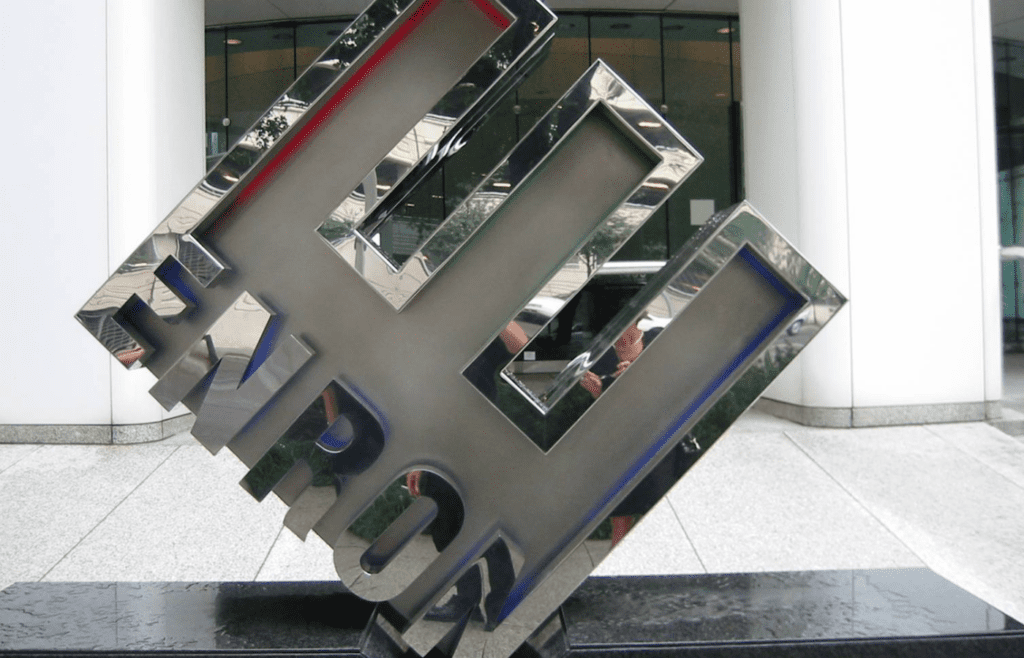
Enron was once considered one of America’s most innovative companies.
Behind the scenes, executives used complex accounting schemes to hide debt and inflate profits. When the truth emerged, the company collapsed, employees lost retirement savings, and executives faced criminal charges.
1. Lehman Brothers

Lehman Brothers survived for more than 150 years before becoming the largest bankruptcy in U.S. history.
Its aggressive exposure to risky mortgage-backed securities helped fuel the 2008 financial crisis. When the housing market collapsed, so did Lehman—and much of the global financial system came crashing down with it.
The biggest business failures rarely happen overnight. More often, they’re the result of leaders becoming convinced they’re untouchable, ignoring warning signs, or betting everything on a future that never arrives. As these companies discovered, the bigger the gamble, the harder the fall.
Read More:
- 15 Things Millennials Stopped Buying (And Why It Matters)
- 10 Financial Habits That Separate Millionaires From Everyone Else
- 10 Weird Business Ideas That Made a Fortune