

A catchy melody can hide a lot. Some songs sound bright, polished, or even playful on first listen, then look very different once you pay attention to the lyrics.
Dark subject matter does not always arrive with dark production. These songs prove a memorable hook can sit next to abuse, violence, obsession, or tragedy without announcing any of it up front.
“Luka” (1987)

Suzanne Vega’s “Luka” sounds calm and restrained, but the lyrics point to abuse inside the home. Vega has described the song as being about child abuse, which makes the plainspoken delivery hit even harder.
“Thirteen” (1974)

Big Star’s “Thirteen” is often heard as sweet and wistful, but the song carries a discomfort that becomes clearer once you remember the narrator’s age. The innocence is part of what makes the tension feel strange, not less serious.
“People Who Died” (1980)
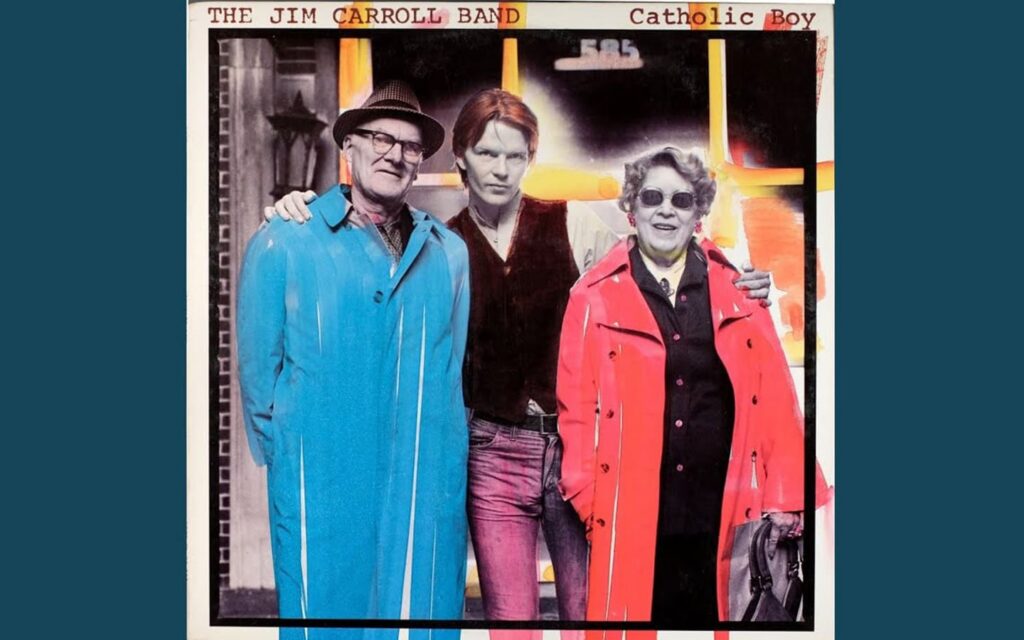
The Jim Carroll Band wrapped a list of gruesome deaths inside a song with real energy and momentum. That contrast is what makes it stick. The chorus is catchy enough to pull you in before the details start landing.
“Where the Wild Roses Grow” (1995)
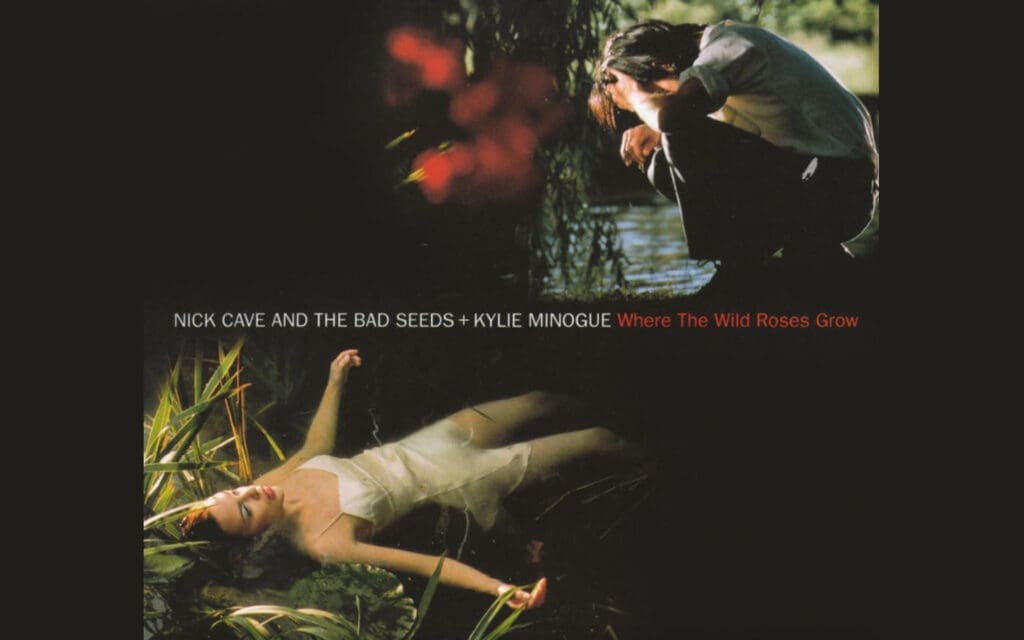
Nick Cave and Kylie Minogue turn a murder ballad into something almost beautiful. The melody is elegant, the arrangement is gentle, and the story is still about a woman being killed by the man beside her.
“Run for Your Life” (1965)
The Beatles track moves with the ease of a familiar pop song, but the message is ugly from the opening line. John Lennon later said he always hated it, which makes sense given how openly possessive and threatening the lyric is.
“I Don’t Like Mondays” (1979)
The Boomtown Rats turned a school shooting into one of the most unsettling hit songs of its era. The title came from convicted shooter Brenda Spencer’s explanation for a 1979 attack, which gives the song a level of coldness no chorus should really have.
“Brown Sugar” (1971)
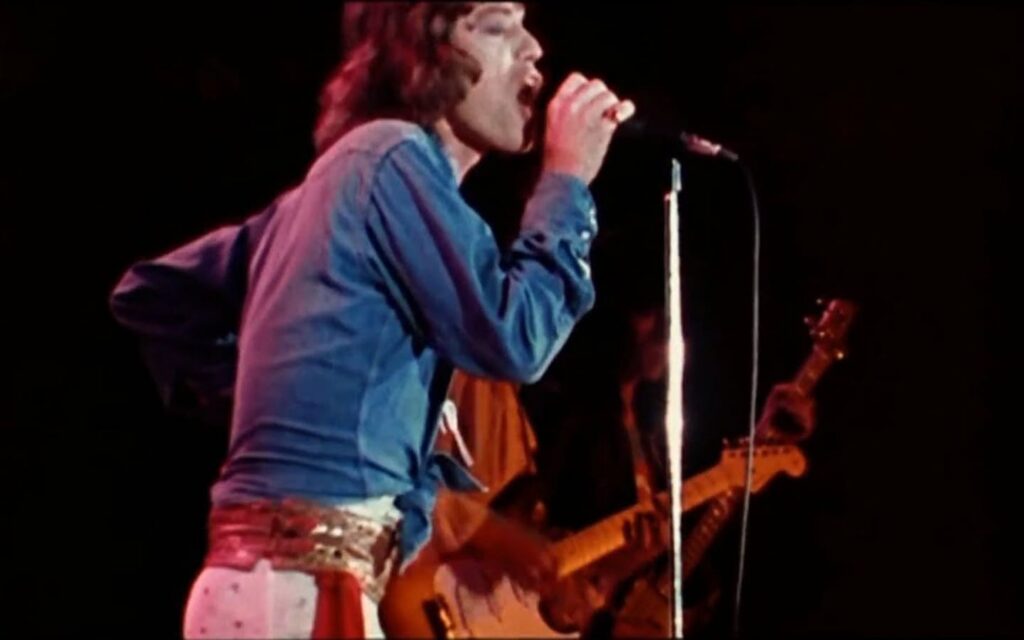
The Rolling Stones built a huge rock hit around lyrics tied to slavery, sex, and racialized violence. The groove is so strong that many listeners miss how disturbing the words are until much later, if they notice at all.
“Wrong Way” (1996)
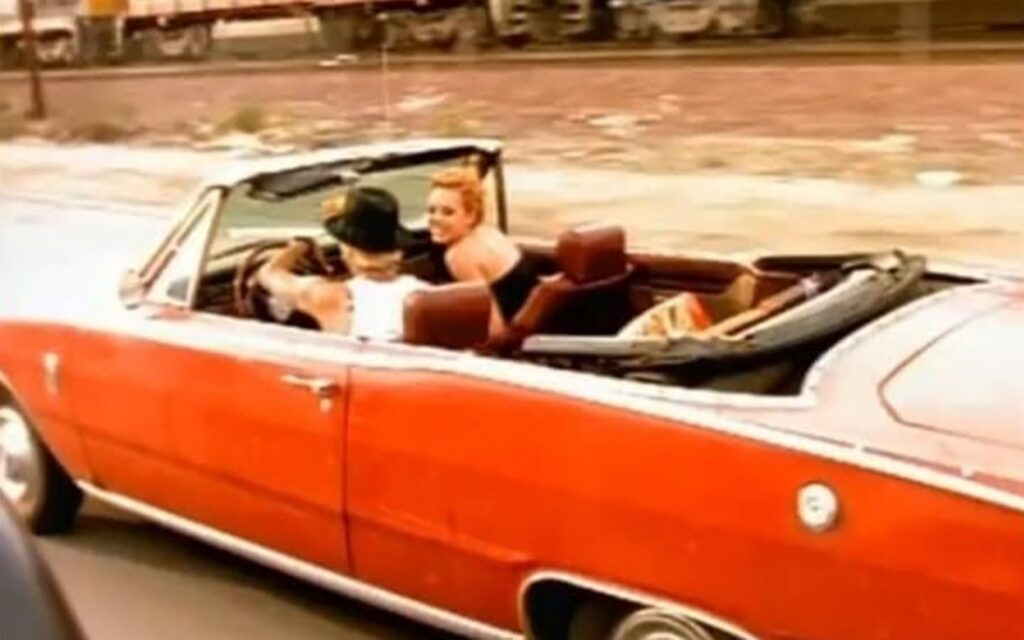
Sublime gave this song speed and bounce, then filled the story with exploitation and abuse. The upbeat sound can make the track seem lighter than it is, but the subject matter is grim from start to finish.
“Seventeen” (1989)

Winger framed “Seventeen” as a slick hard-rock single, but the lyrics have aged poorly for obvious reasons. Once the age gap comes into focus, the whole thing shifts from flashy to uncomfortable.
“He Hit Me (And It Felt Like a Kiss)” (1962)
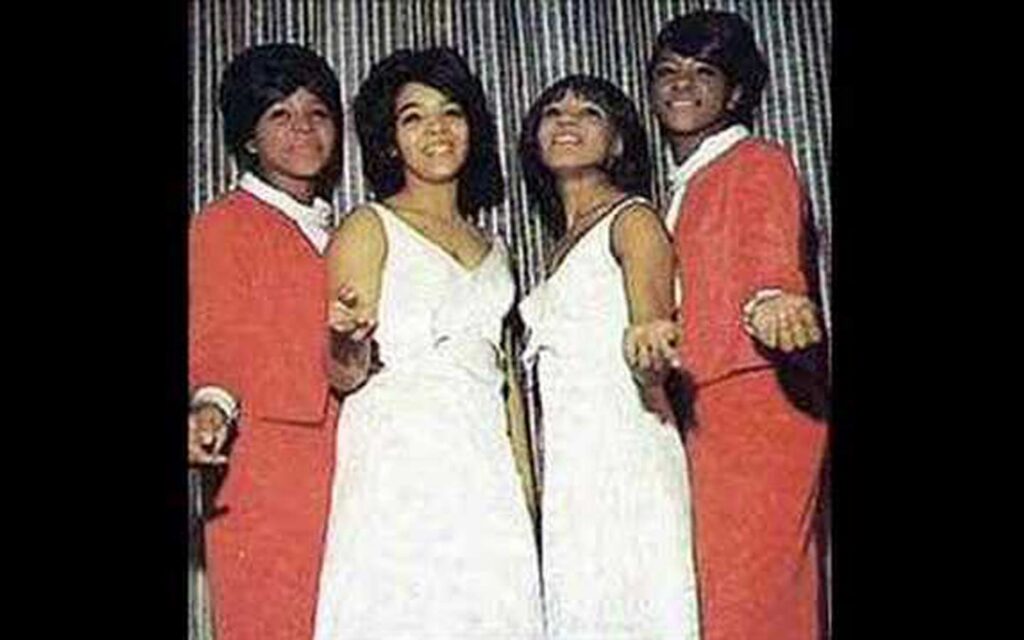
The title alone is enough to stop people in their tracks. Gerry Goffin and Carole King wrote the song after hearing abuse described as proof of love, and that warped logic is exactly what makes the record so unsettling.
“Sweet Little Sixteen” (1958)
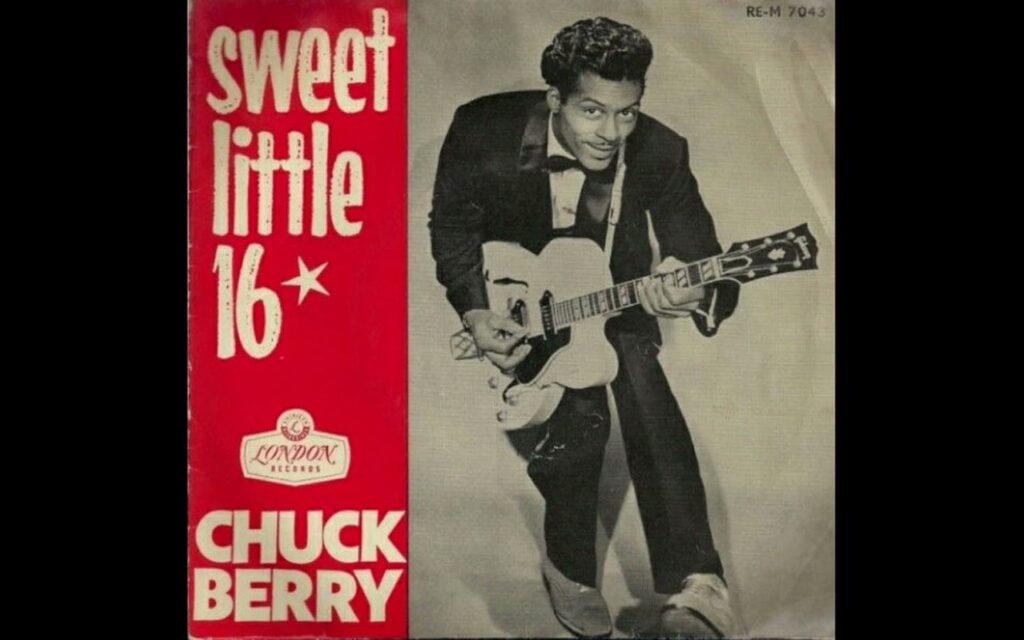
Chuck Berry’s song helped shape rock and roll, but the lyrics sit in a space modern listeners are far less willing to excuse. What once passed as harmless teenage imagery now sounds much harder to ignore.
“Father Figure” (1987)

This song gets read as darker than it may actually be, but the language still invites unease. George Michael said the track was not about his own father and described it more as a seductive, protective relationship song, yet lines like “Put your tiny hand in mine” can still sound unsettling out of context.
“Closer” (1994)

Nine Inch Nails never tried to disguise how dark “Closer” was, but the song still belongs on this list because the hook is so immediate. The production is sleek, the rhythm is infectious, and the lyrics remain deeply confrontational.
“Dance with the Devil” (2001)

Immortal Technique tells a story so brutal that the song almost feels impossible to recommend casually. The track is still gripping because the writing is vivid and the structure keeps building toward a reveal that remains hard to shake.
A bright melody can make dark material easier to miss on first listen. Once the lyrics come into focus, though, some songs never sound the same again.
Read More:
- 15 Songs People Tried to Ban for the Wrong Reasons
- These 20 Rock Bands Helped Make the ’80s So Loud
- 15 Band Breakups That Ended in Public Drama