Our devices keep us connected, informed, entertained, and productive. But they also make it possible to be available 24 hours a day, seven days a week. Notifications arrive at all hours. Emails follow us home. Social media fills every quiet moment.
Over time, this constant connection can take a real toll on both physical and mental health. The good news is that you don’t need to throw your phone into a lake or move off-grid to feel better. Small, realistic changes can help you reclaim your focus, energy, and peace of mind.
Here are 10 reasons the always-on lifestyle can affect your well-being—and practical strategies to create healthier digital habits.
10. Constant Connectivity Keeps Your Stress Response Activated

Your body is designed to respond to threats with a burst of energy and alertness.
The problem is that modern stressors rarely end. Every notification, urgent email, breaking news alert, or social media update can trigger a low-level stress response.
When your nervous system never fully powers down, it becomes harder to relax, recover, and feel present.
9. Chronic Screen Time Can Elevate Cortisol Levels

Cortisol is often called the body’s primary stress hormone.
Short-term increases are normal and helpful. But chronic elevation can contribute to:
- Increased anxiety
- Poor sleep quality
- Fatigue
- Weight gain
- Difficulty concentrating
Digital overstimulation doesn’t create all of these issues on its own, but it can add to the cumulative stress burden many people already carry.
8. Your Brain Needs Downtime to Function Well

Many people assume productivity comes from constant engagement.
In reality, the brain requires periods of rest to consolidate memories, process emotions, solve problems, and generate creative ideas.
Without mental downtime, you may notice:
- Brain fog
- Reduced creativity
- Mental fatigue
- Difficulty focusing
Sometimes the most productive thing you can do is step away from the screen.
7. Sleep Suffers More Than You Think

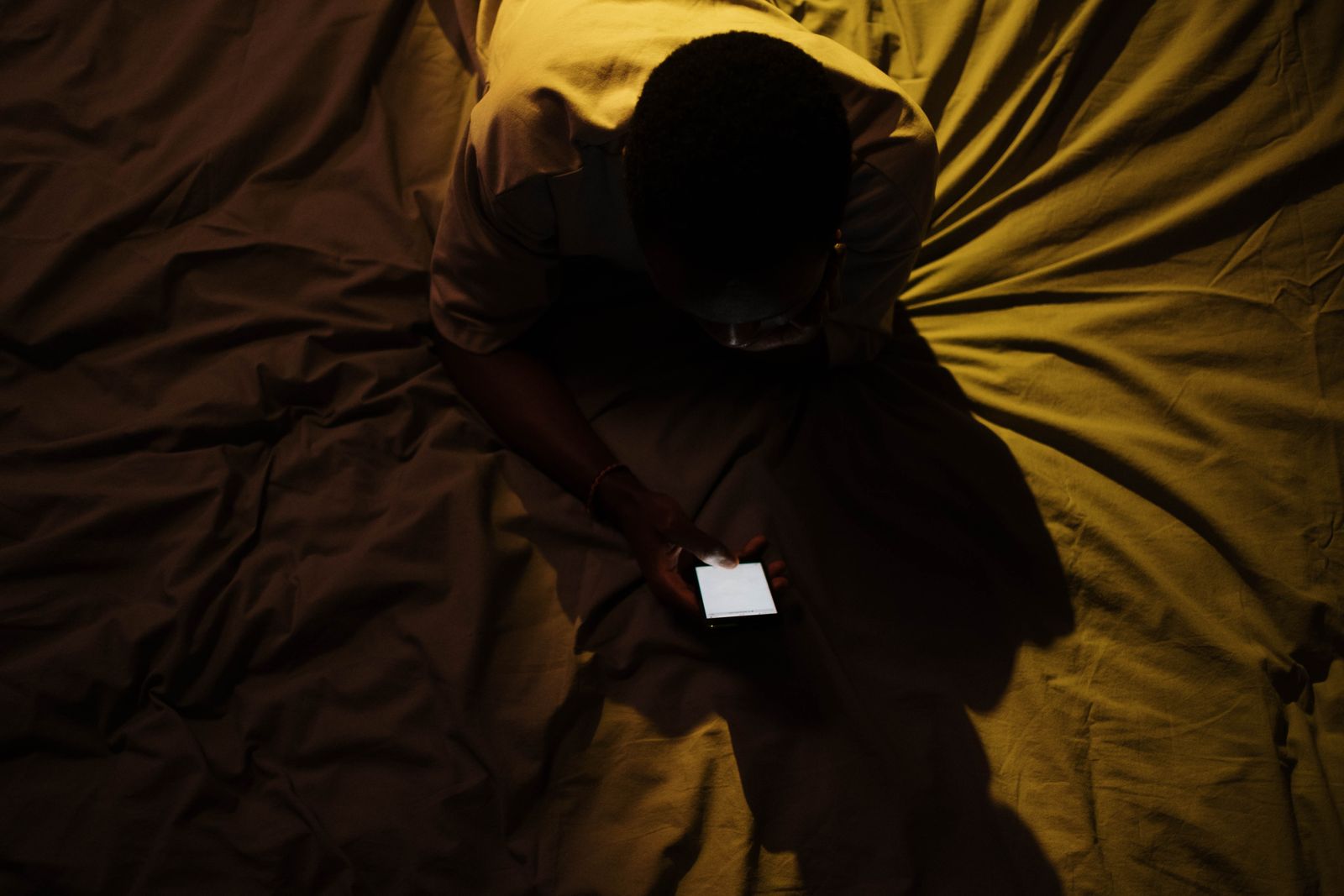
Late-night scrolling can interfere with healthy sleep in multiple ways.
Screens expose you to blue light, which can suppress melatonin production and delay sleepiness. At the same time, emotionally stimulating content keeps your brain engaged when it should be winding down.
Even if you fall asleep quickly, digital overstimulation can make it harder to achieve deep, restorative sleep.
For more support, see Sleep Hygiene in the Digital Age: 7 Simple Tweaks That Actually Work.
6. Digital Overload Can Increase Anxiety

The modern information cycle never stops.
News updates, social media comparisons, political debates, and endless notifications can leave your brain feeling overwhelmed.
Research continues to find associations between excessive screen use and increased levels of stress, anxiety, and depressive symptoms, particularly when digital consumption becomes compulsive rather than intentional.
5. Constant Input Leaves Little Room for Reflection

Many people fill every spare moment with content. Waiting in line? Check your phone. Riding an elevator? Scroll social media. Sitting quietly? Open another app.
The result is less time for reflection, creativity, and self-awareness. Creating intentional moments of silence allows your mind to process experiences rather than constantly absorbing new information.
4. Start With Small Digital Boundaries

Successful digital detoxes rarely begin with extreme rules.
Instead of eliminating screens completely, try:
- Turning off non-essential notifications
- Scheduling screen-free meals
- Leaving your phone in another room during focused work
- Creating a designated social media time limit
Small boundaries are easier to maintain and often produce lasting results.
3. Create Device-Free Zones

Physical boundaries can be surprisingly effective.
Consider making certain spaces technology-free:
- The dining table
- The bedroom
- The living room after a certain hour
- Outdoor walks
When devices aren’t constantly within reach, you’re more likely to engage fully with your surroundings and the people around you.
2. Reclaim Your Mornings and Evenings

The first and last moments of the day have a powerful impact on your mental state.
Instead of immediately reaching for your phone when you wake up, try:
- Stretching
- Drinking water
- Journaling
- Stepping outside
- Practicing a few minutes of breathing exercises
At night, create a similar buffer between yourself and your devices. Even 30 to 60 minutes of screen-free time before bed can improve sleep quality and reduce stress.
1. Use Technology Intentionally Instead of Automatically

The goal isn’t to reject technology. It’s to use it deliberately.
Ask yourself:
- Am I choosing to use this device right now?
- Is this helping me or draining me?
- What do I actually need in this moment?
The healthiest digital habits aren’t built on restriction. They’re built on awareness.
By shifting from automatic consumption to intentional use, you create more space for focus, connection, rest, and well-being.
Read More:
- Can’t Sleep? Here’s Why You Should Get Out of Bed
- 10 Fast, Science-Backed Ways to Calm Anxiety in Minutes
- These 20 Common Habits Are Secretly Fueling Anxiety