

Between desk jobs, commutes, streaming marathons, and endless scrolling, most of us spend far more time sitting than our bodies were designed for. The result? Tight hips, rounded shoulders, stiff backs, and joints that seem to creak a little louder every year.
The good news is that you don’t need an hour-long yoga class or expensive equipment to feel better. A few minutes of targeted mobility work can improve posture, reduce aches and pains, and help your body move the way it was meant to. Whether you’re working from home or spending long days at the office, these mobility exercises can help counteract the effects of too much sitting.
10. World’s Greatest Stretch

Despite its bold name, many fitness professionals genuinely consider this one of the most effective mobility exercises you can do.
Start in a lunge position with one foot forward. Place both hands on the floor inside your front foot, then rotate your torso and reach one arm toward the ceiling. After a brief pause, return your hand to the floor and shift your hips backward to stretch the hamstring.
This movement simultaneously targets the hips, hamstrings, shoulders, and thoracic spine, making it one of the most efficient full-body mobility exercises available.
9. Cat-Cow Stretch
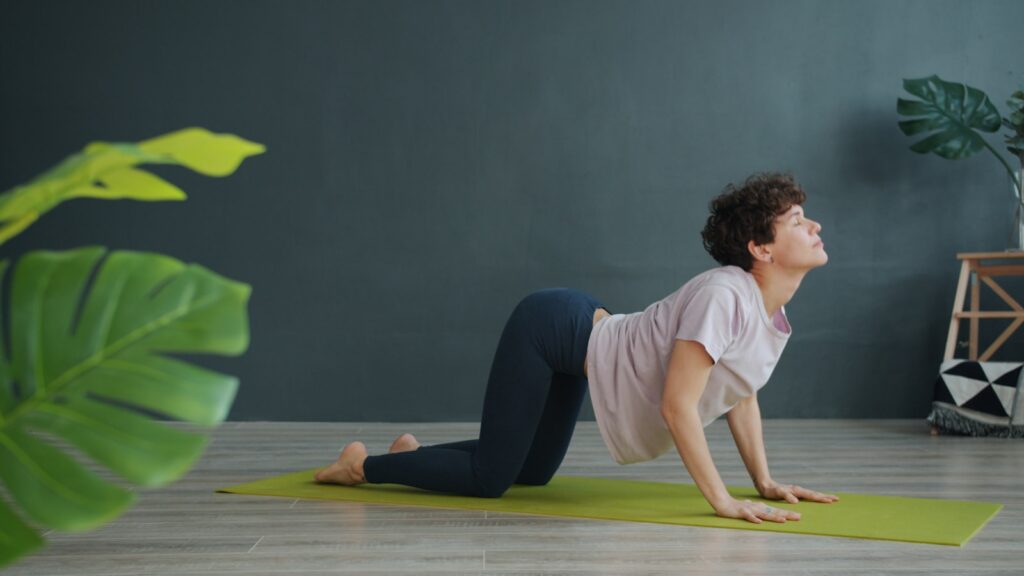
If you’ve spent the day hunched over a laptop, Cat-Cow is your friend.
Starting on all fours, alternate between arching your back and lifting your chest (Cow) and rounding your spine toward the ceiling (Cat). Move slowly and coordinate the motion with your breathing.
This exercise helps restore mobility throughout the spine while gently relieving tension in the neck, shoulders, and lower back.
8. 90/90 Hip Rotations
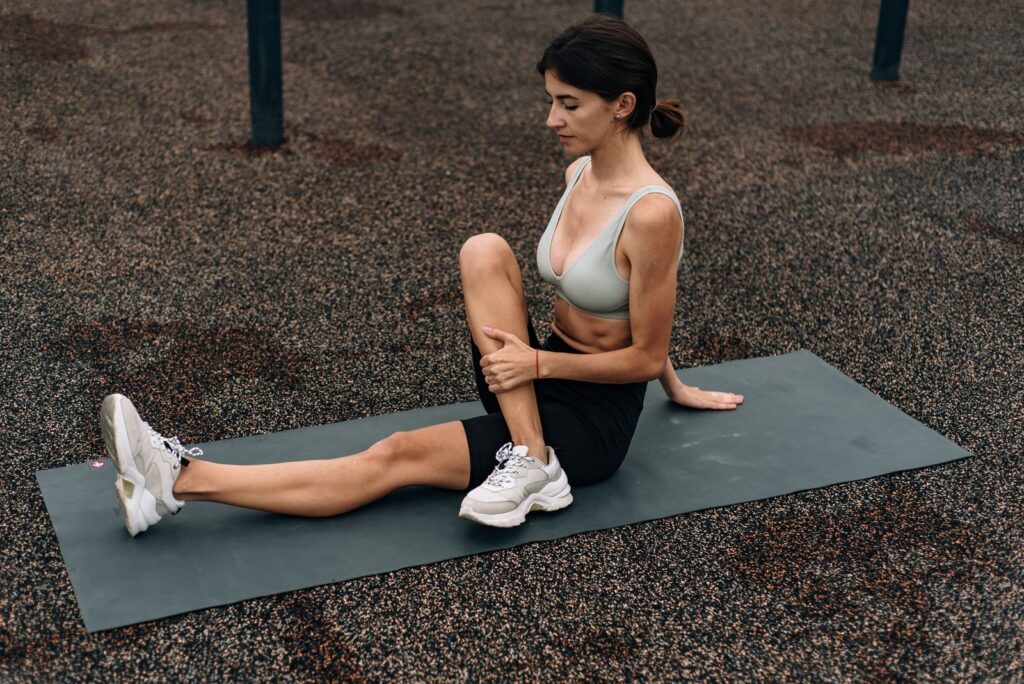
Sitting for long periods can leave your hips feeling locked up and stiff.
Sit on the floor with both knees bent at 90-degree angles, one in front of you and one to the side. Slowly rotate your legs from one side to the other while keeping your torso upright.
This exercise improves hip rotation, strengthens stabilizing muscles, and helps restore movement patterns that are often lost through excessive sitting.
7. Thoracic Spine Rotations

Many people assume their lower back is the problem when it’s actually a stiff upper back causing issues.
Place one hand behind your head while on all fours. Rotate your elbow toward the ceiling, then back down toward the opposite arm. Focus on moving through your mid-back rather than your lower spine.
Improving thoracic mobility can help reduce neck strain, improve posture, and make overhead movements feel easier.
6. Standing Forward Fold With Shoulder Opener
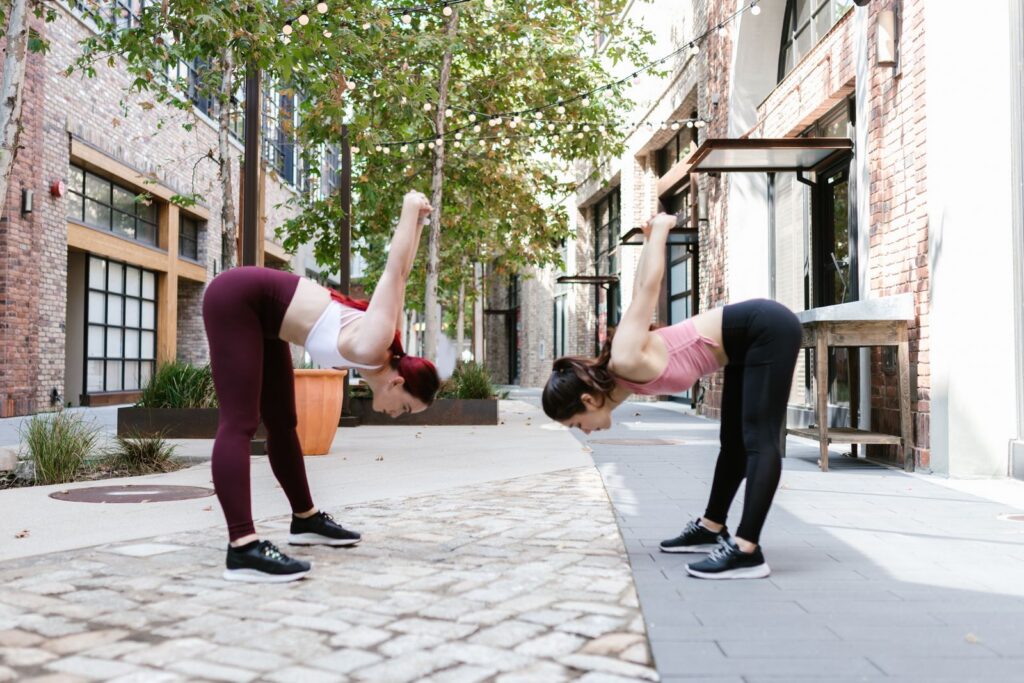
This simple stretch addresses two areas that suffer greatly from desk work: tight hamstrings and rounded shoulders.
Stand tall, clasp your hands behind your back, and fold forward from the hips. Allow your arms to gently lift away from your body while keeping a slight bend in your knees.
It’s an excellent way to open the chest while stretching the entire back side of the body.
5. Deep Squat Hold
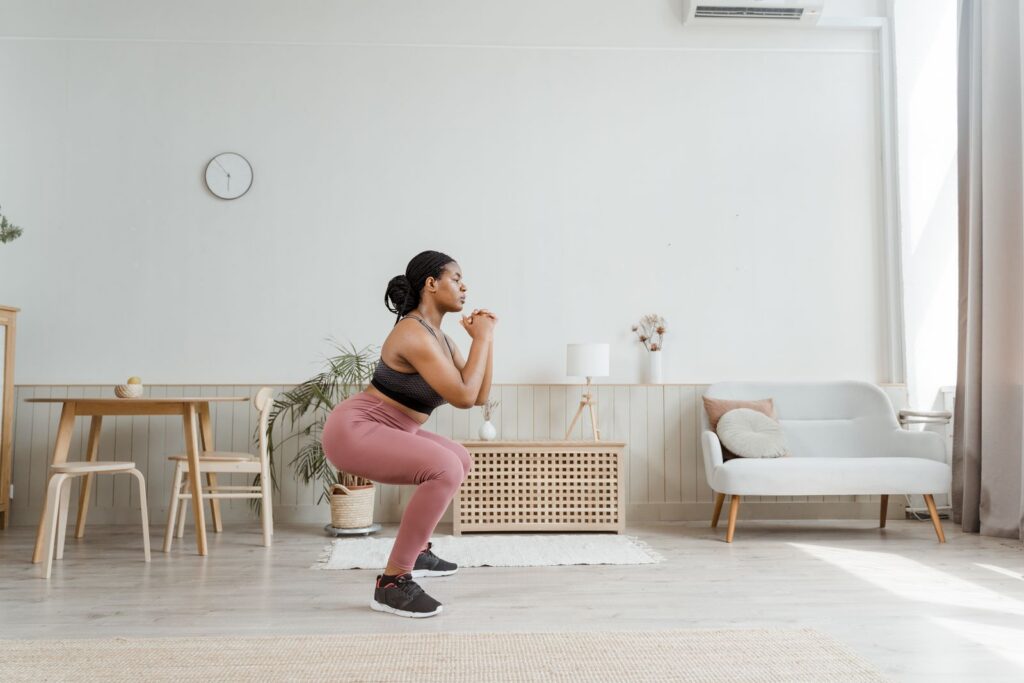
Humans were designed to squat, but modern furniture has largely removed this movement from daily life.
Lower into a comfortable squat position with your feet flat on the floor. Use a chair or countertop for support if needed. Hold the position while focusing on slow, relaxed breathing.
Deep squat holds improve ankle mobility, hip flexibility, and lower-body stability while helping restore a natural resting posture.
4. Hip Flexor Stretch
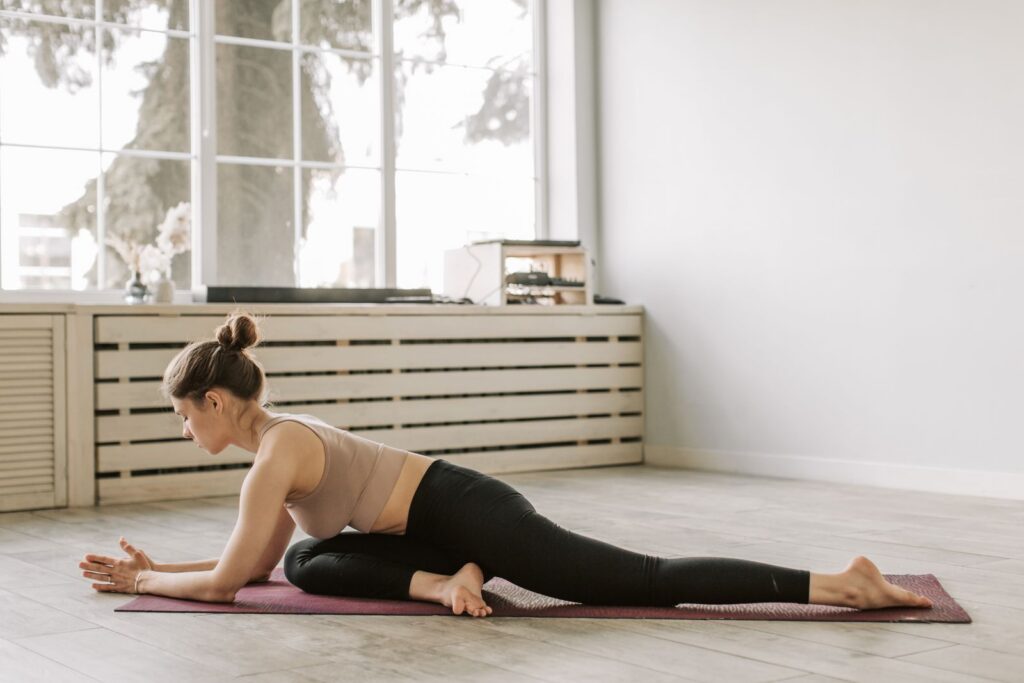
One of the biggest casualties of prolonged sitting is the hip flexor group.
Kneel on one knee with the opposite foot planted in front. Gently shift your hips forward until you feel a stretch in the front of the hip on the kneeling side.
Tight hip flexors can contribute to lower back discomfort, poor posture, and reduced athletic performance, making this stretch particularly valuable for desk workers.
3. Shoulder Wall Slides

Hours spent typing, texting, and scrolling can cause the shoulders to round forward.
Stand with your back against a wall and your arms positioned like a goalpost. Slowly slide your arms upward while keeping contact with the wall whenever possible.
This exercise strengthens postural muscles while improving shoulder mobility and upper-back alignment.
2. Thread the Needle
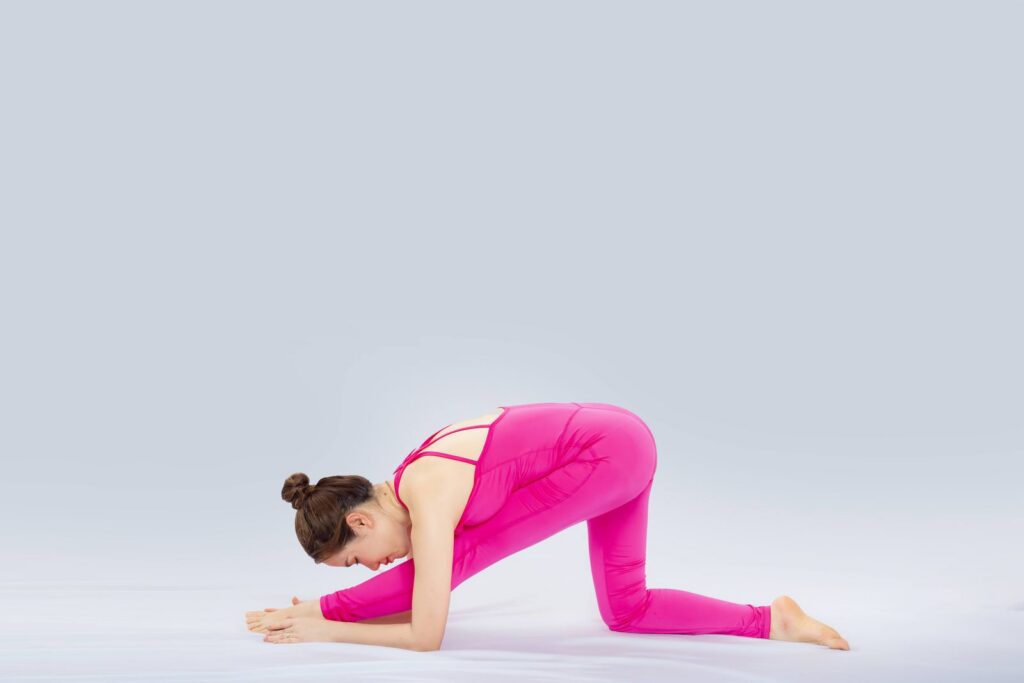
This yoga-inspired movement combines spinal rotation with shoulder mobility.
Start on all fours and slide one arm underneath your body, allowing your shoulder and upper back to gently rotate toward the floor. Pause briefly before returning to the starting position.
Thread the Needle feels particularly good after long periods of sitting and can help relieve upper-body stiffness almost immediately.
1. Walking

Sometimes the simplest mobility exercise is also the most effective.
Walking naturally mobilizes the hips, knees, ankles, spine, and shoulders while encouraging healthy circulation. Even a five- or ten-minute walk can help undo some of the stiffness caused by prolonged sitting.
If you only have time for one mobility habit each day, getting up and moving regularly may deliver the biggest return on investment.
Mobility doesn’t require fancy equipment, athletic ability, or a huge time commitment. Even five to ten minutes of movement can improve flexibility, reduce stiffness, and help your body feel more comfortable throughout the day. The key isn’t doing every exercise perfectly—it’s simply moving more often than you sit still.
Read More:
- 20 Beginner-Friendly Meditation Tips That Actually Work
- 15 Fitness Fads That Aren’t Delivering Real Results
- 15 Easy Ways to Hit 10,000 Steps Without Going to the Gym